
Palma de Mallorca is the capital and largest city of the autonomous community of the Balearic Islands in Spain. It is situated on the south coast of Mallorca on the Bay of Palma.
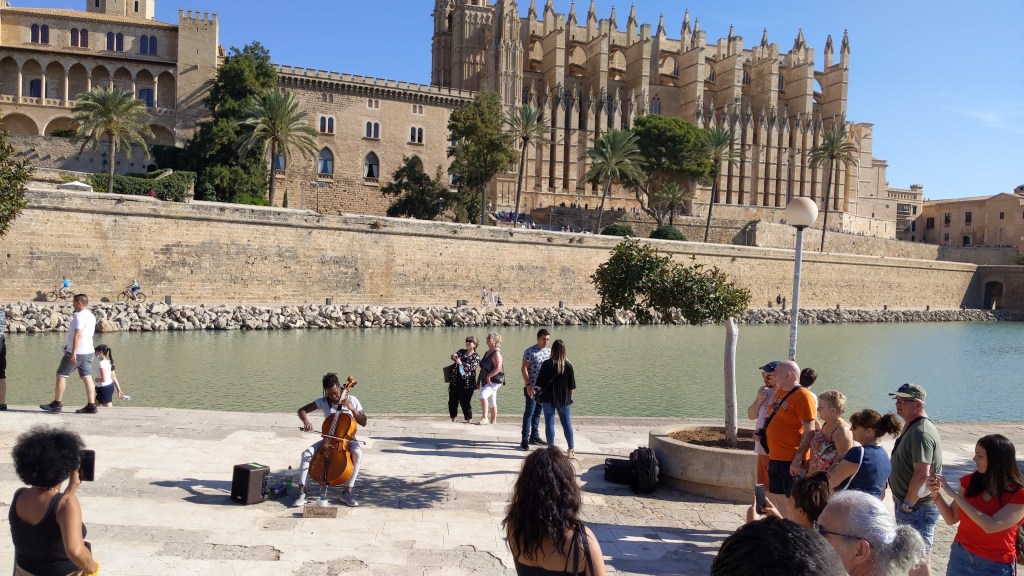
Palma was founded as a Roman camp after the conquest of Mallorca in late 2nd century BC. The Romans founded two new cities: Palma on the south of the island, and Pollentia in the northeast – on the site of a Phoenician settlement. Pollentia acted as a port to Roman cities on the northwestern Mediterranean Sea, and Palma was the port used for destinations in Africa, such as Carthage (modern day Tunisia), and Hispania (Southern Spain). The remains of the Roman Wall can be seen at Can Bordils, the Municipal Archive, and below it, at the Maimó ben Faraig Center.
The city was subjected to several Vandal raids during the fall of the Western Roman Empire in 5th century AD and then reconquered by the Byzantine Empire during the early middle ages. The island came under Morrish control during the conquest of the Iberian Peninsula in the 8th and 9th century. It remained under Muslim control for over three centuries between 902 and 1229 AD and was named “Medina Mayurqa”.
Finally, in the 13th century, during the “re-conquista” of Moorish settlements by the combined Christian forces of Aragon and Castille, the island was re-taken by James I of Aragon and eventually became part of Spain and has remained as such till today.

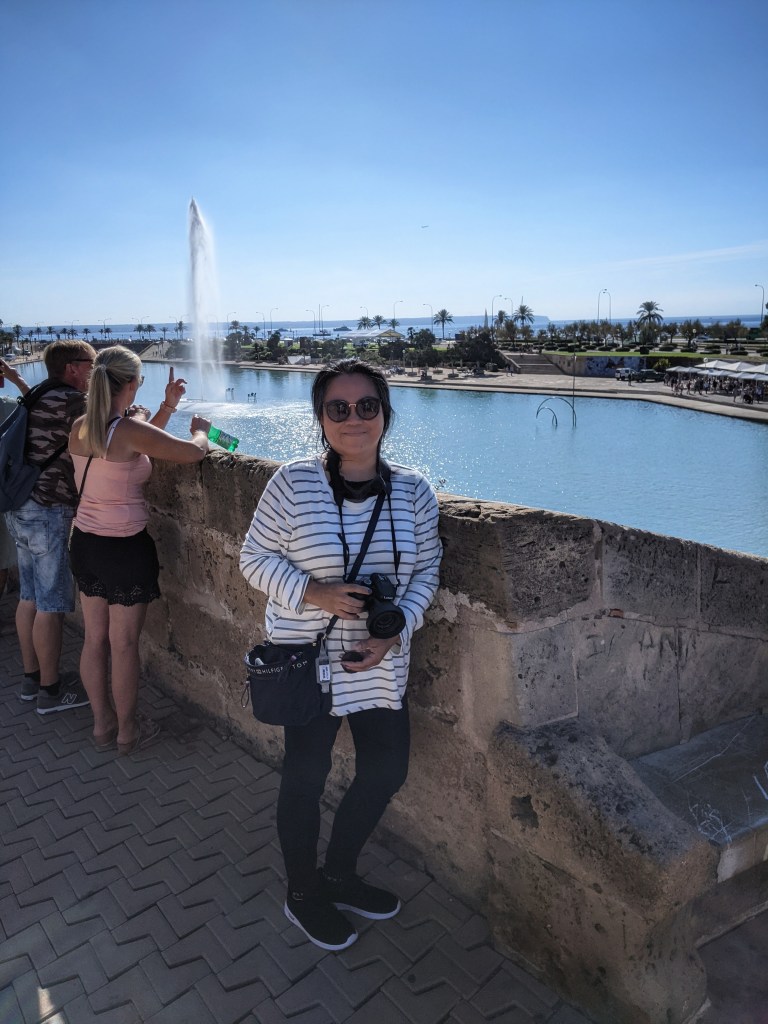
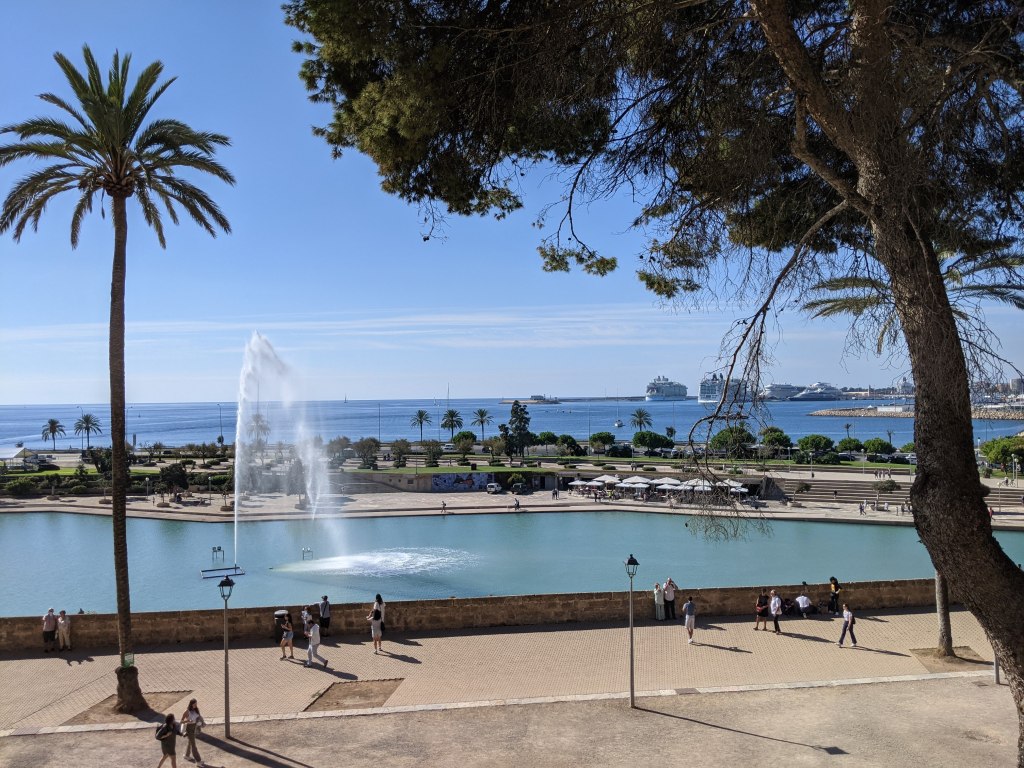

Since the advent of mass tourism in the 1950s, the city has been transformed into a tourist destination and has attracted many workers from mainland Spain. This has contributed to a huge change in the city’s traditions, its language, and its economic power. More than half the population, approximately 80%, work in tourism which is therefore the main economic portal of Palma. Tourism has affected the rapid economic growth of Palma, placing the island of Mallorca among the wealthier regions in Spain.
Palma de Mallorca is a major cruise destination for many cruise liners due to the close proximity to Barcelona and Marseilles that allows ships to reach the island overnight. It is also easily accessible from many large international airports in Southern Europe under 3 hours such as Seville, Madrid, Barcelona in Spain; Nice and Marseilles in France; and Rome, Genoa and Naples in Italy.


 All Around The World