
Amsterdam is the largest city of The Netherlands and a major European hub for transportation and international commerce. Amsterdam is colloquially referred to as the “Venice of the North”, for its large number of canals, now a UNESCO World Heritage Site. Amsterdam is well connected via air and train. One of the popular connection is via the EuroStar line from London to Amsterdam under the English channel. In this article we will briefly talk about our experience in reaching Amsterdam via the train and spending a few hours in the city before connecting to Bavaria, Germany via an overnight train.
The Eurostar line from London to Amsterdam departs from St. Pancras station which is well connected from anywhere in metro London via the tube. You can purchase the ticket up to an hour before departure but it is highly recommended to buy online at least a week before as the price and availability varies greatly due to demand.
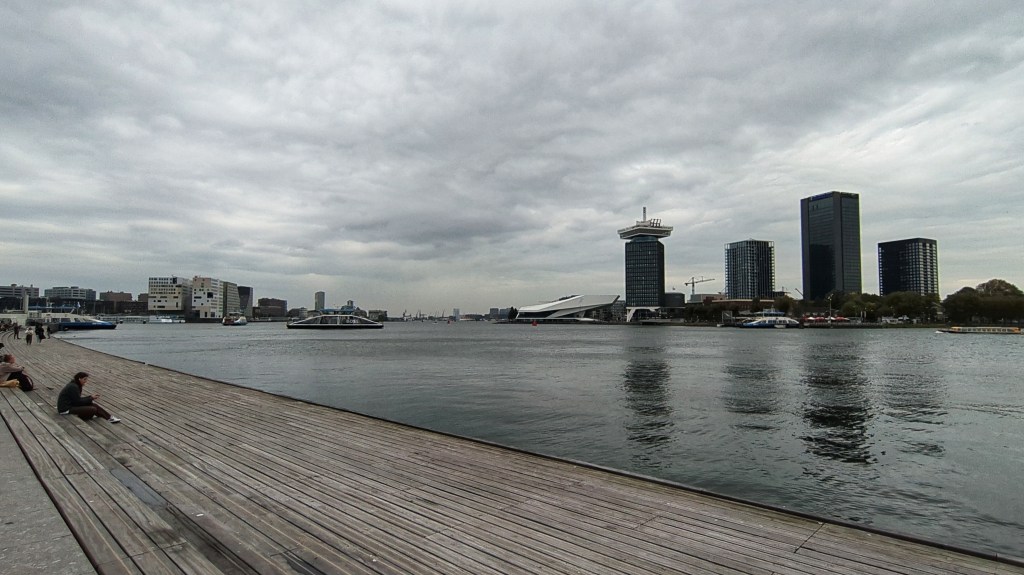
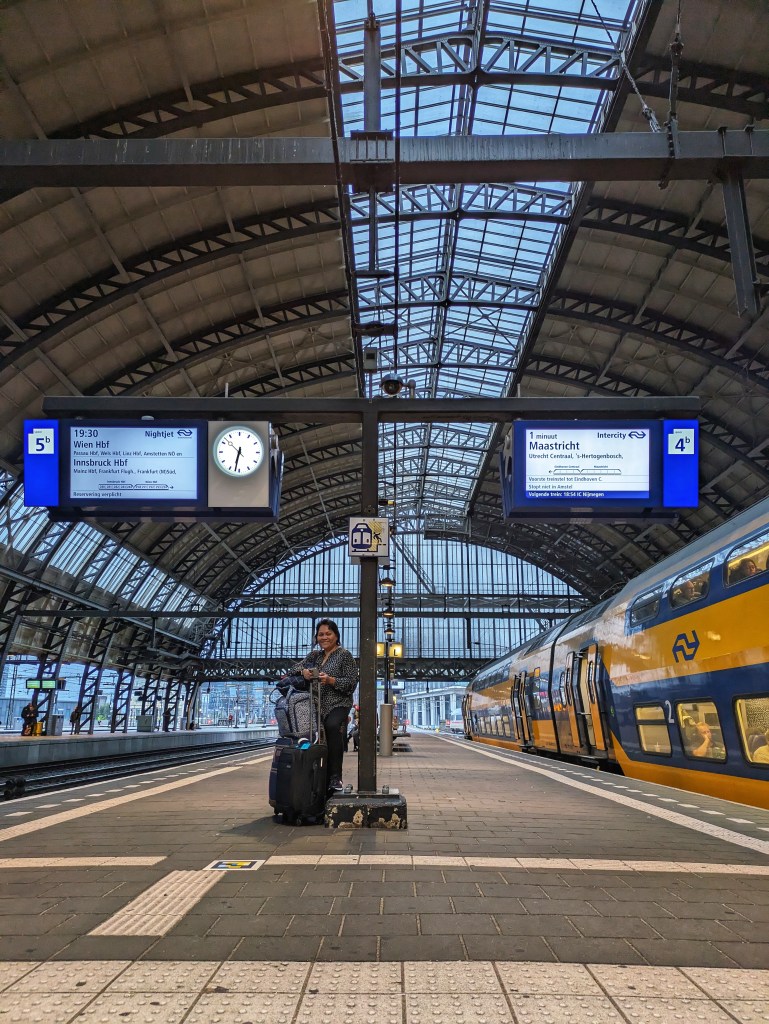
After a 4-hour smooth train ride on the 2nd-class we arrived in Amsterdam Centrale station. We had a 5-hour break before our next train departure to Munich, Germany. So the plan was to first visit the left-luggage station, then catch a boat tour of the famous Amsterdam canals, followed by a short walking tour around some historic sights and finally return to the station for dinner and departure.
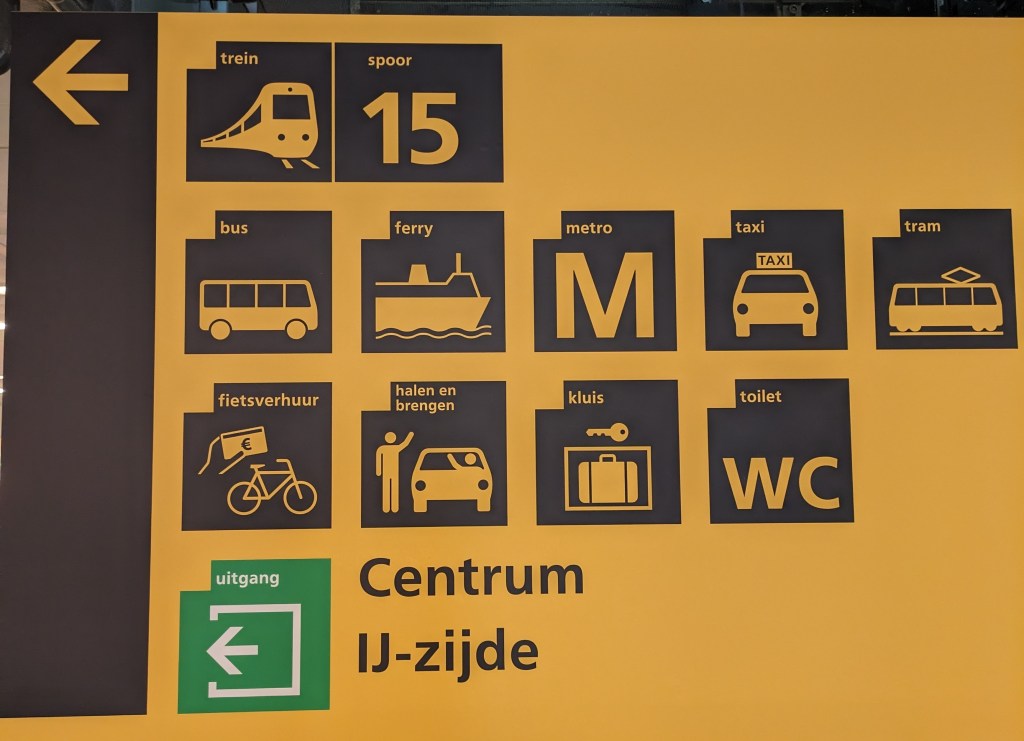
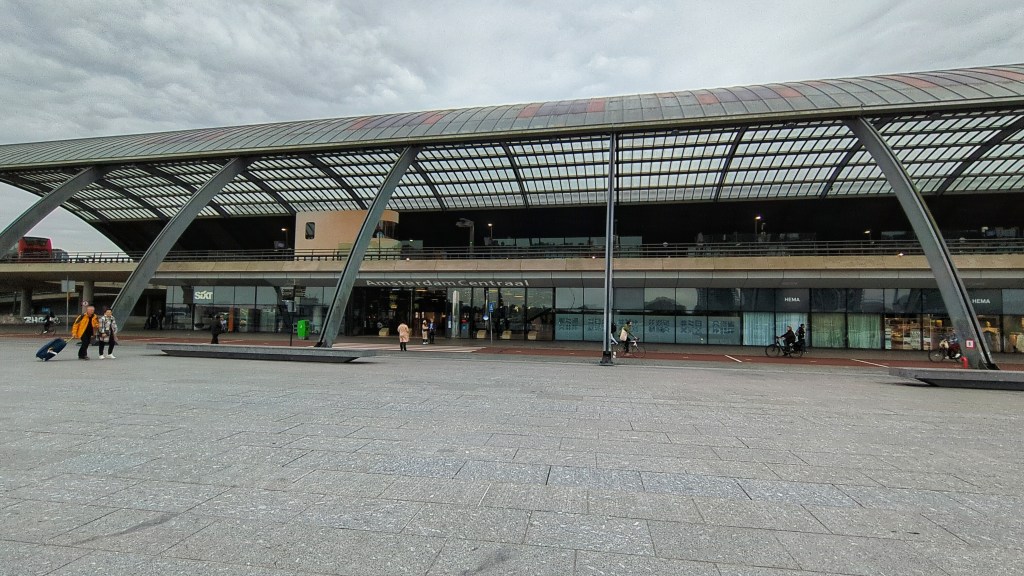
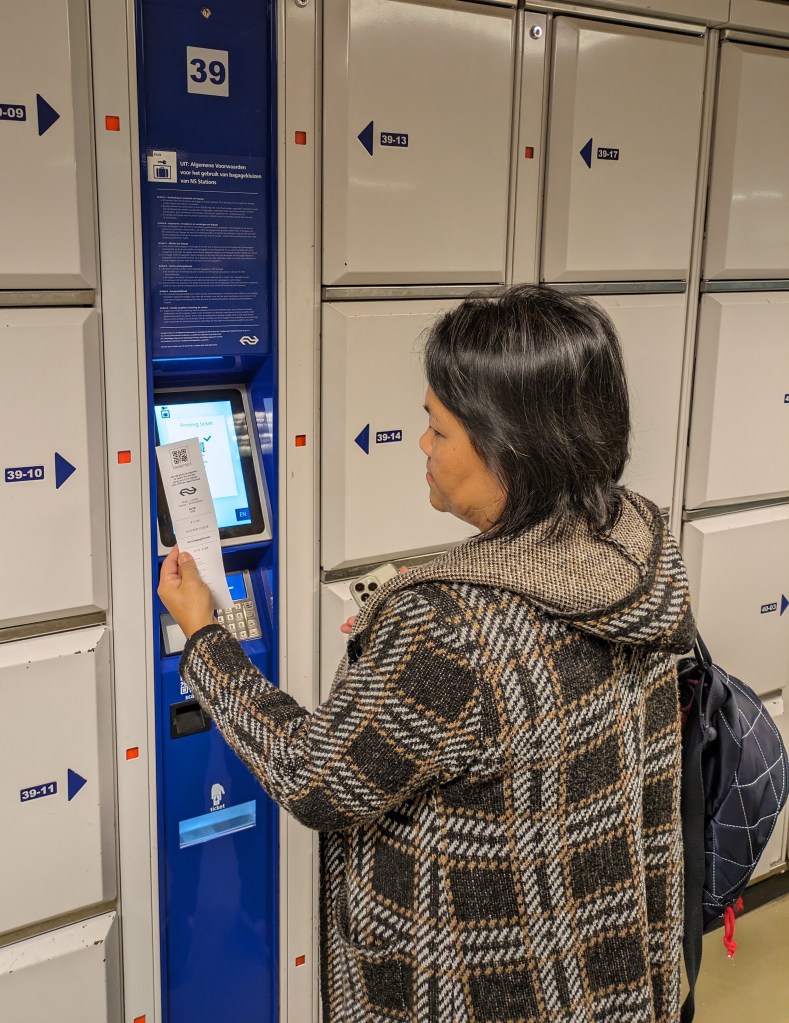
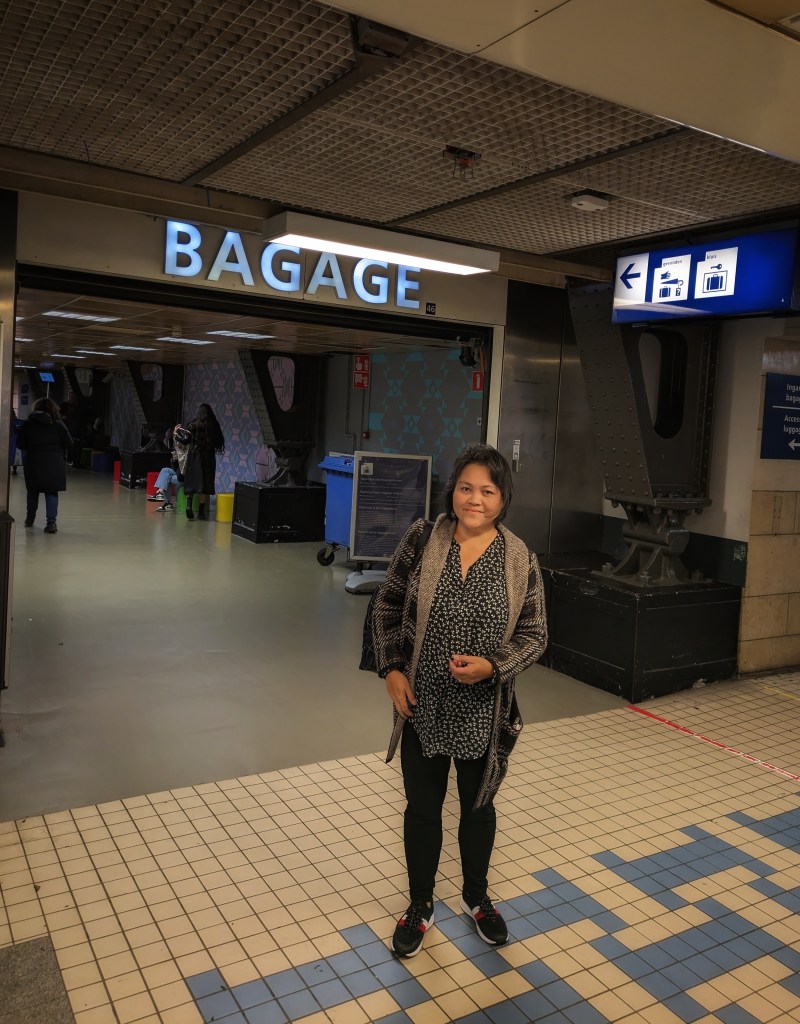
The left-luggage area is clearly marked within the station and a variety of luggage storage is available to fit your needs. This allowed us to leave our heavy bags and valuables in the lockers and explore Amsterdam hassle-free. The central station is within short walking distance to multiple Canal Tour operators that we had identified prior to departing from London using Google Maps.
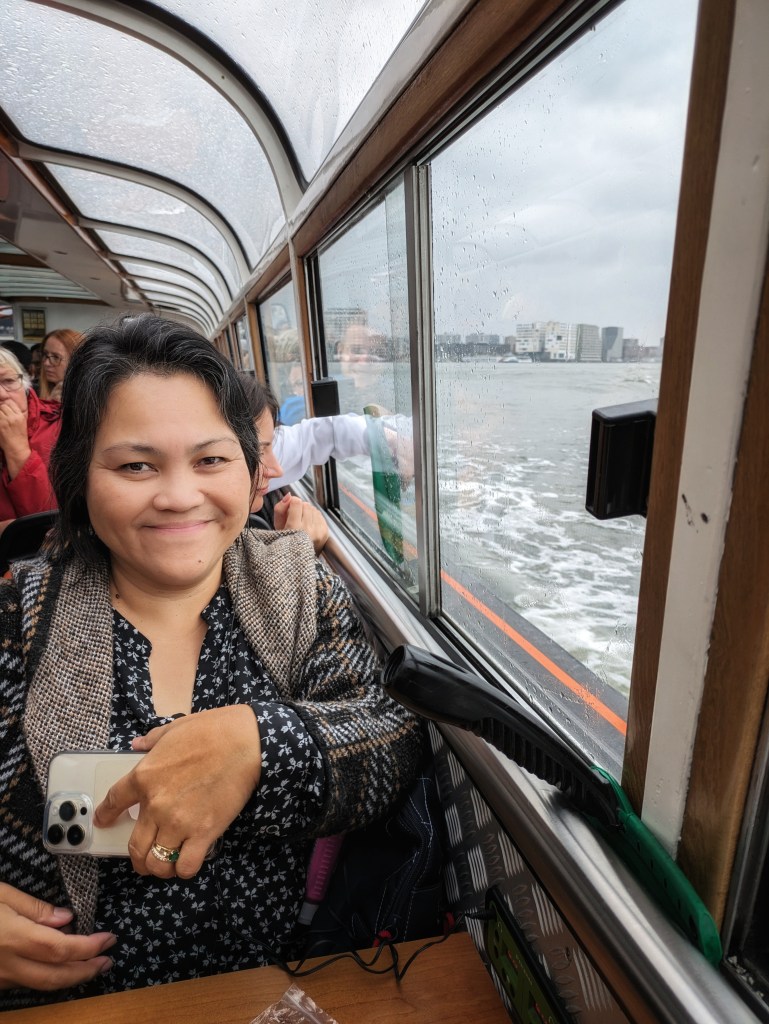
We purchased the tickets as a walk-in since there are tours departing every 30-60 minutes. We took a short 90-min tour of the canals and was a very enjoyable ride with an experienced guide narrating about the history and significant sites of the city.
Amsterdam was founded at the mouth of the Amstel River. Originally a small fishing village in the 12th century, Amsterdam became a major world port during the Dutch Golden Age of the 17th century, when the Netherlands was an economic powerhouse. Amsterdam was the leading centre for finance and trade, as well as a hub of secular art production producing iconic artworks by Rembrandt, Vermeer and later Van Gogh. In the 19th and 20th centuries, the city expanded and new neighborhoods and suburbs were built. The city has a long tradition of openness, liberalism, and tolerance.
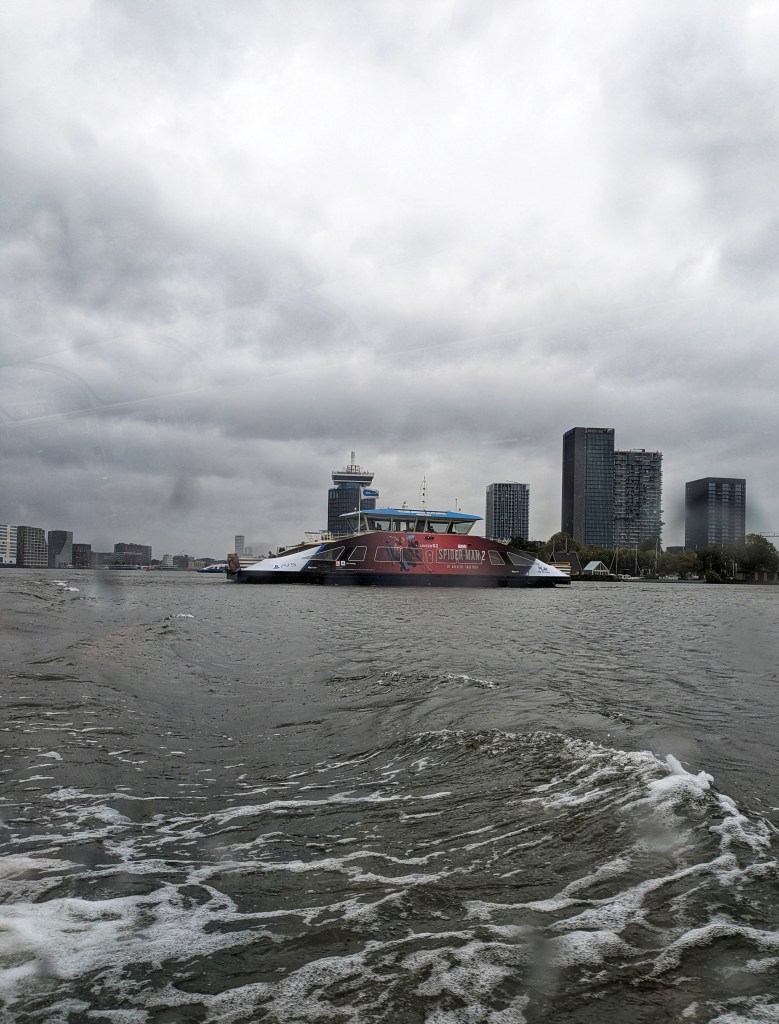
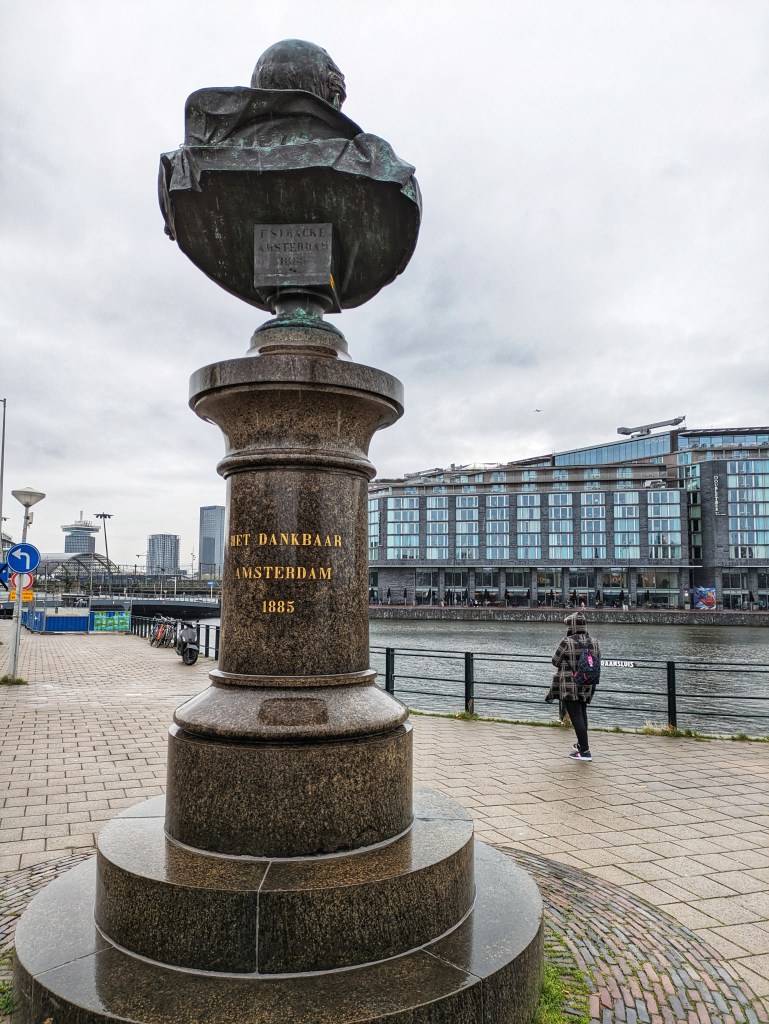
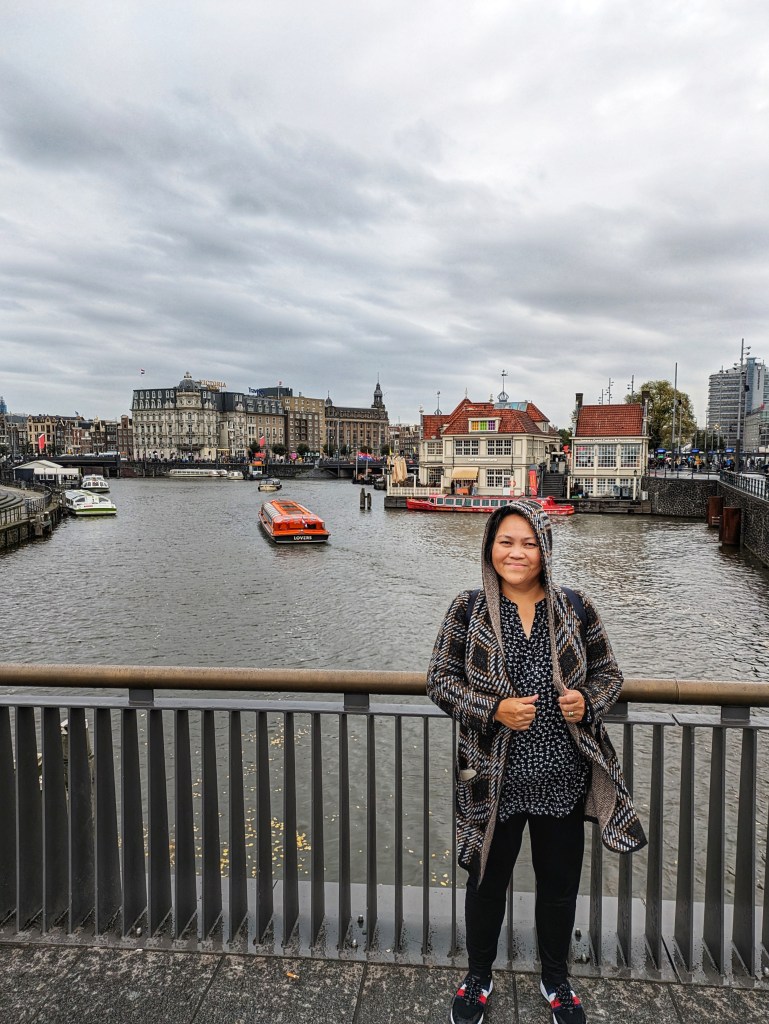
After the boat tour, we embarked on a walking tour around some historic sites along a walking trail looping around the central station. One thing to note while walking around the city is that Cycling is key to the city’s modern character, and there are numerous biking paths and lanes spread throughout. You have to be mindful to not step on these biking lanes as cyclists in Amsterdam are quiet unforgiving!
Amsterdam’s main attractions include its historic canals; the Rijksmuseum, the state museum with Dutch Golden Age art; the Van Gogh Museum; the Dam Square, where the Royal Palace of Amsterdam and former city hall are located; the Anne Frank House; the Maritime Museum where the famous Dutch ships are moored; Hortus Botanicus, NEMO, the red-light district and cannabis coffee shops. Since we had just a few hours for city visit we picked a few sites to pass by on our walk close to the centra station including Maritime Museum, the Amsterdam Cruise Port, NEMO, Hortus Botanicus and Dam square.

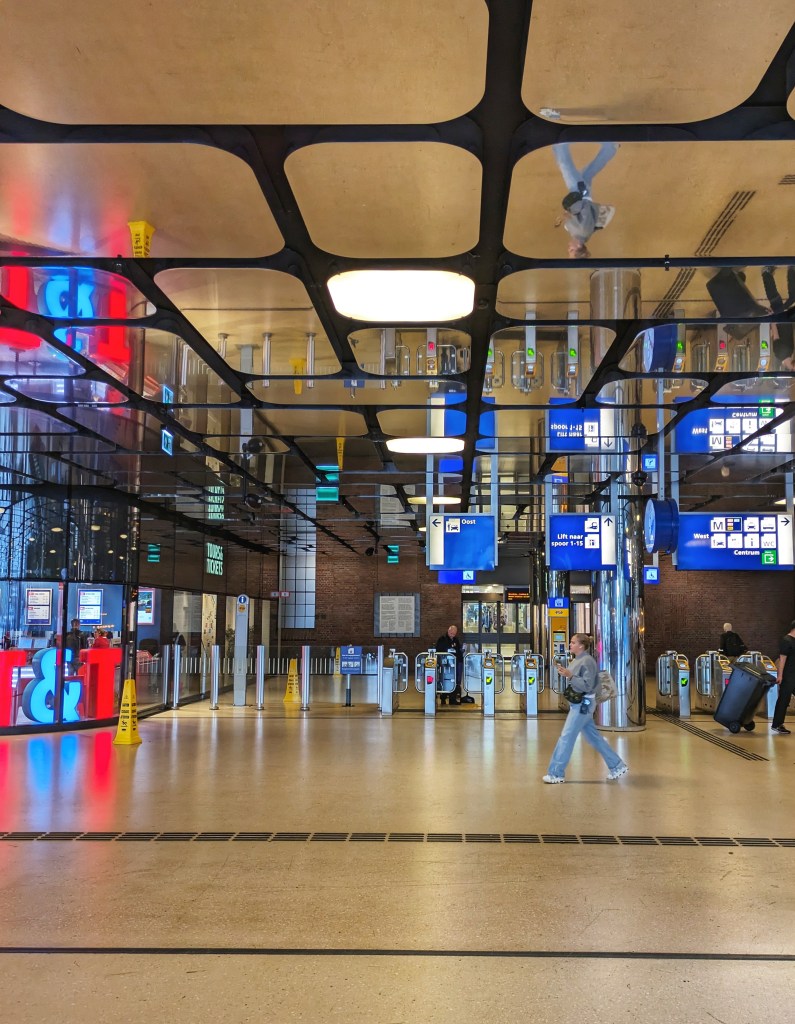
After a delicious dinner at a Asian restaurant we boarded our overnight train to Munich. Watch the clip below for a quick look at our first view of Amsterdam coming out of the central station!
 All Around The World