
Earlier this year in 2024, my husband and I had the chance to visit Hoover Dam. Although he has been all over the world, surprisingly, this was his first time at Hoover Dam. I had visited before because I used to live in California and then moved to Lake Havasu, AZ. Although nothing major had changed, except for the addition of more parking lots, it’s still a thrill to visit this wonder of engineering!
The History of Hoover Dam
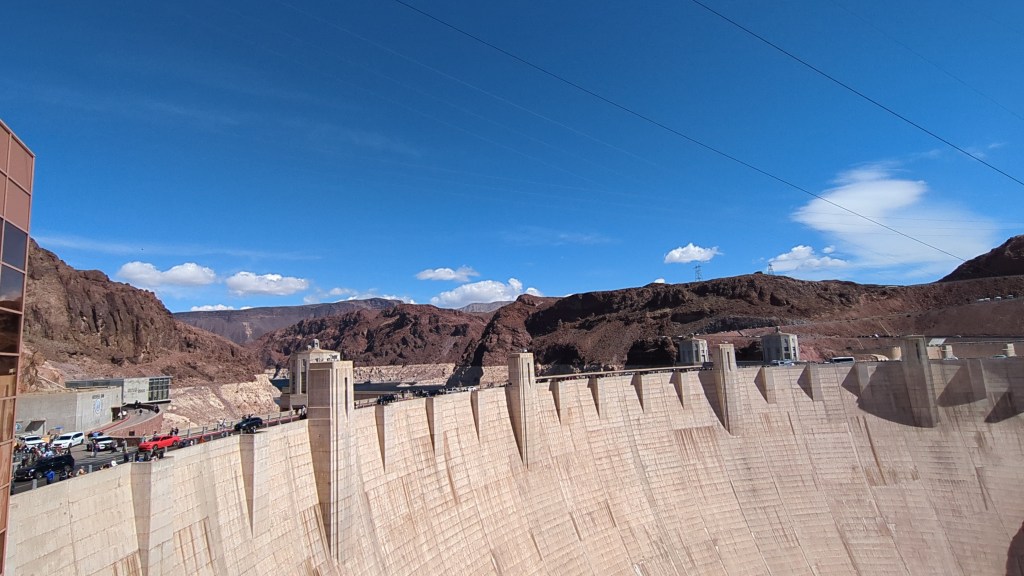
Hoover Dam was constructed between 1931 and 1936 during the Great Depression. It was built to control floods, provide irrigation water, and generate hydroelectric power for the surrounding areas. The dam was originally named Boulder Dam but was later renamed after President Herbert Hoover.
The dam is located on the Colorado River, which forms the border between Nevada and Arizona. It stands at 726 feet tall and 1,244 feet long, making it one of the largest dams in the United States. The construction of the dam required the efforts of thousands of workers and cost over $49 million.


Current Uses of Hoover Dam
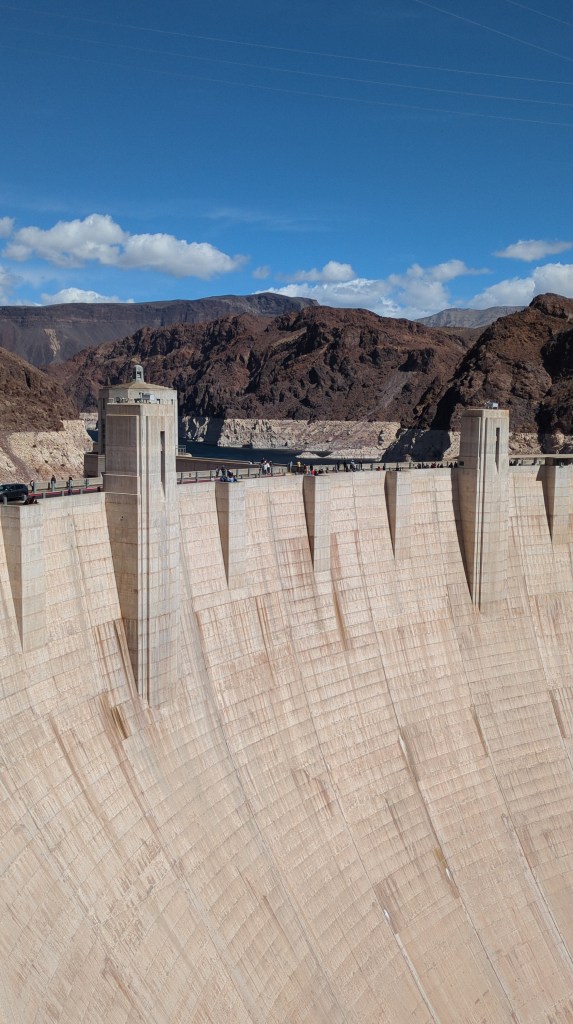
Today, Hoover Dam continues to serve its original purposes. It controls floods along the Colorado River, provides water for irrigation and municipal water supplies, and generates hydroelectric power for use in Nevada, Arizona, and California.
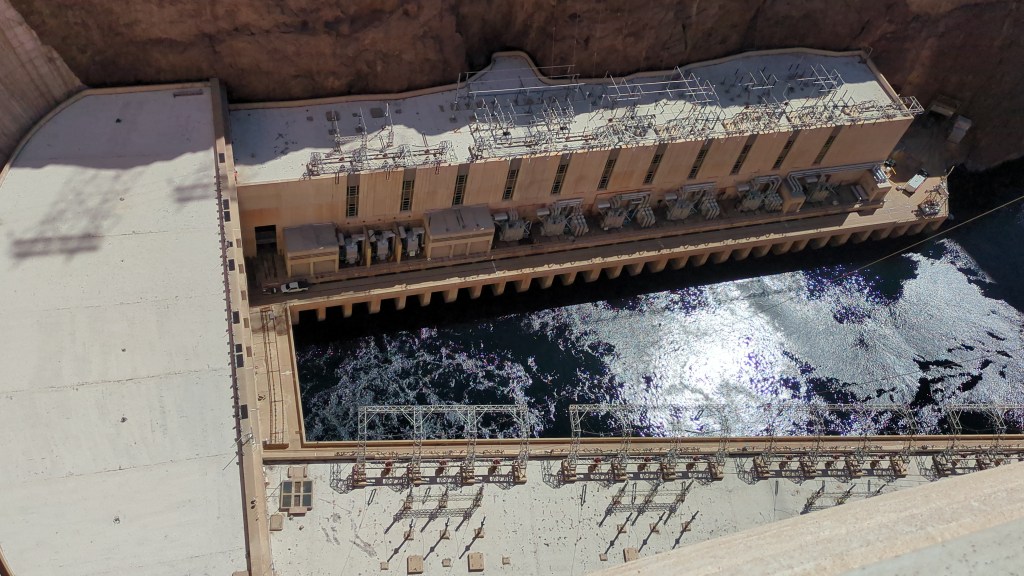
The dam’s power plant has a capacity of about 2,080 megawatts, which is enough to serve the annual electrical needs of nearly 8 million people. On average, it generates about 4 billion kilowatt-hours of hydroelectric power each year.

Tourist Significance
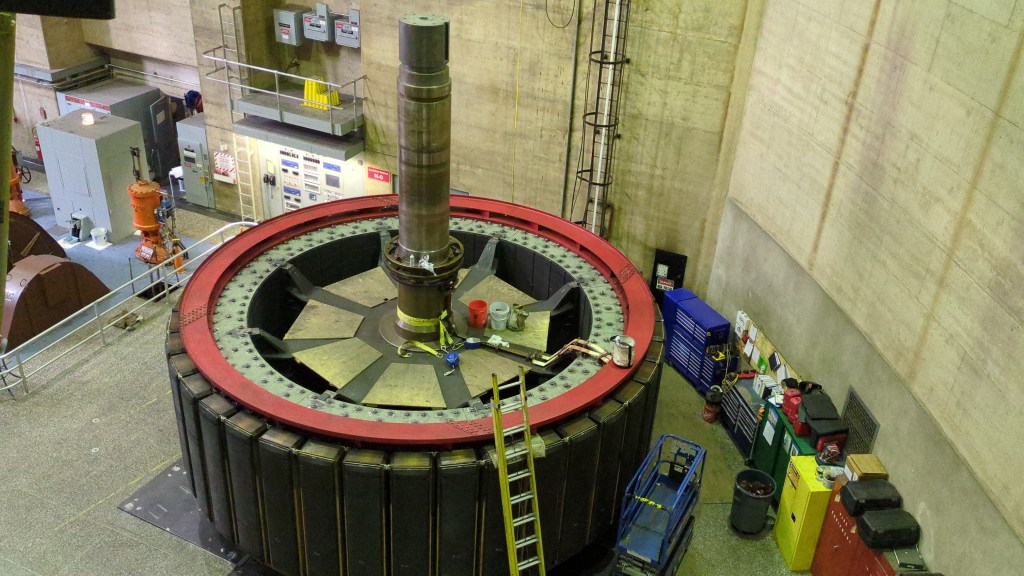
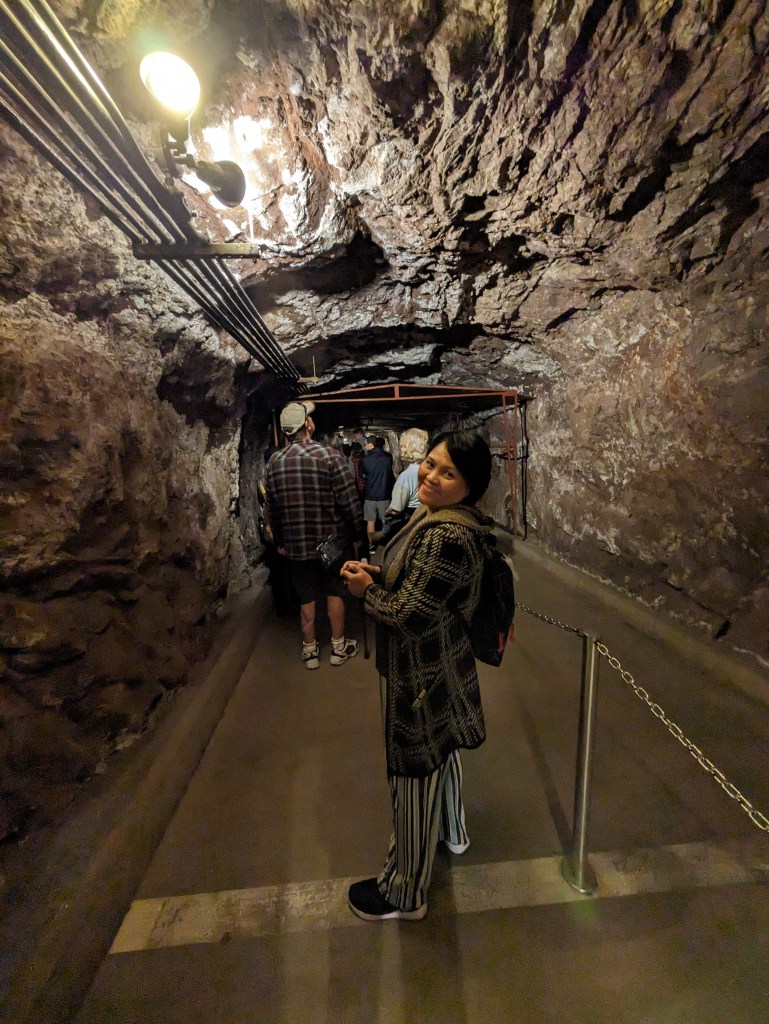
In addition to its practical uses, Hoover Dam has become a major tourist attraction. Visitors can take guided tours of the dam, which include a visit to the power plant and the opportunity to see the massive turbines that generate electricity.
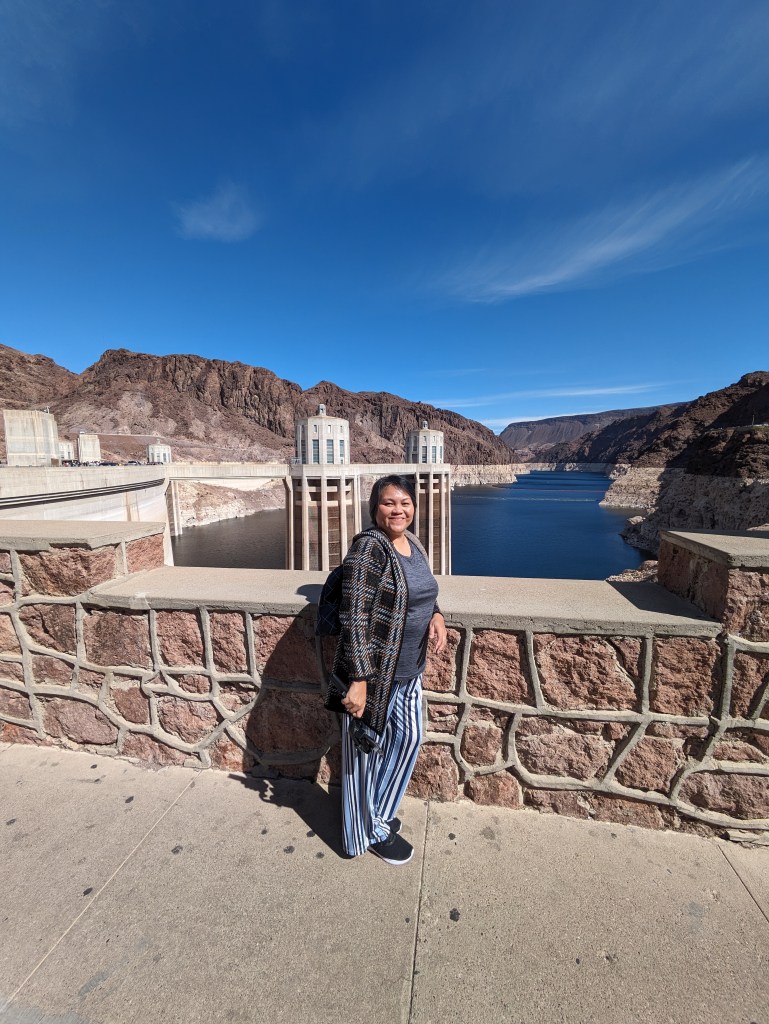


The dam also offers stunning views of the Colorado River and the surrounding desert landscape. Visitors can walk or drive across the dam, and there are several observation points that offer panoramic views of the area.
Climate Change and Hoover Dam
Like many other parts of the world, the American Southwest is being impacted by climate change. Rising temperatures and decreased rainfall have led to prolonged droughts and reduced water levels in the Colorado River.
This has created challenges for Hoover Dam, which relies on a steady flow of water to generate electricity and provide water for irrigation and municipal use. In recent years, water levels in Lake Mead, the reservoir created by the dam, have fallen to historic lows.
To address these challenges, the Bureau of Reclamation, which manages the dam, has implemented various water conservation measures. These include working with states and water users to reduce water consumption and improve water efficiency.
As consumers, we can also play a role in conserving water and reducing our carbon footprint. Some steps we can take include:
- Fixing leaky faucets and toilets
- Installing water-efficient appliances and fixtures
- Reducing outdoor water use by planting drought-tolerant landscaping
- Supporting renewable energy sources to reduce our reliance on fossil fuels
By working together and taking action to address climate change, we can help ensure that resources like Hoover Dam will continue to provide benefits for generations to come.
Visiting Hoover Dam is an awe-inspiring experience that offers a glimpse into the ingenuity and determination of the human spirit. As we face the challenges of climate change, it’s more important than ever to appreciate and protect this engineering marvel.
 All Around The World