
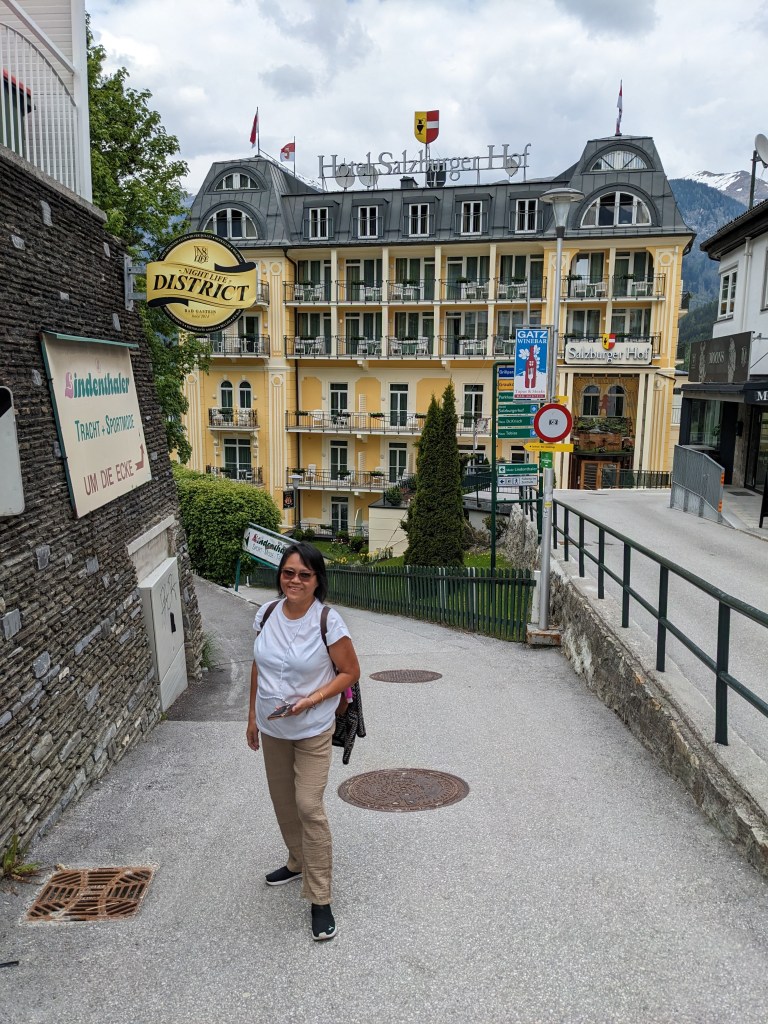
Bad Gastein is a spa town in the southern Salzburg region of Austria. Picturesquely situated in a high valley of the Hohe Tauern mountain range, it is known for the Gastein waterfall and a variety of grand hotel buildings and its historic Belle Epoque style architecture.
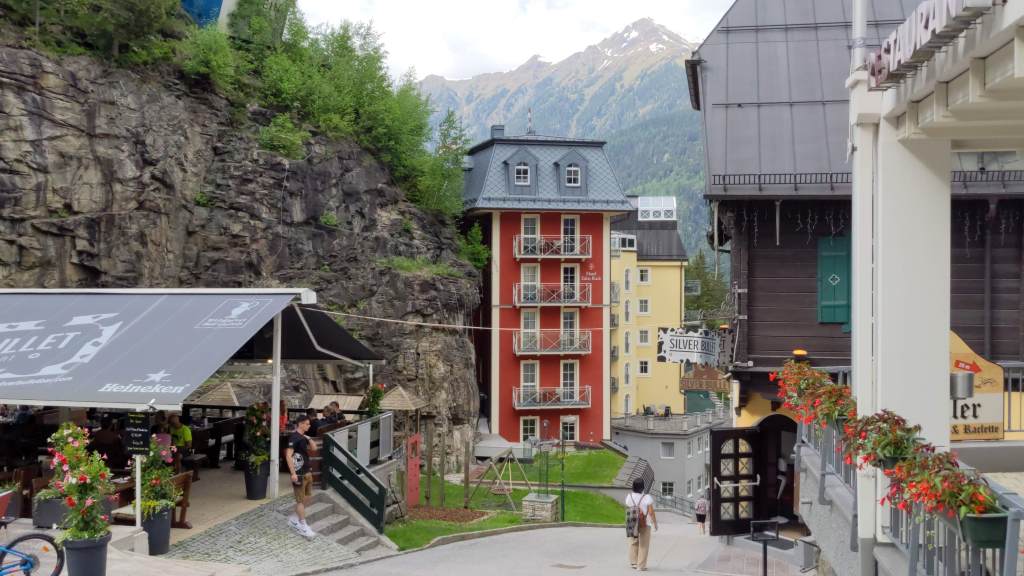
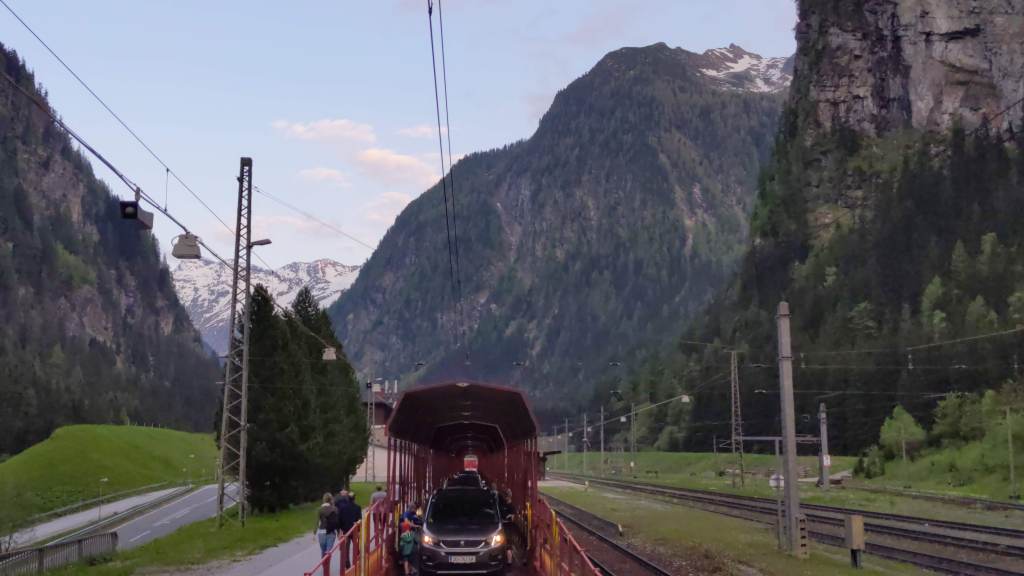
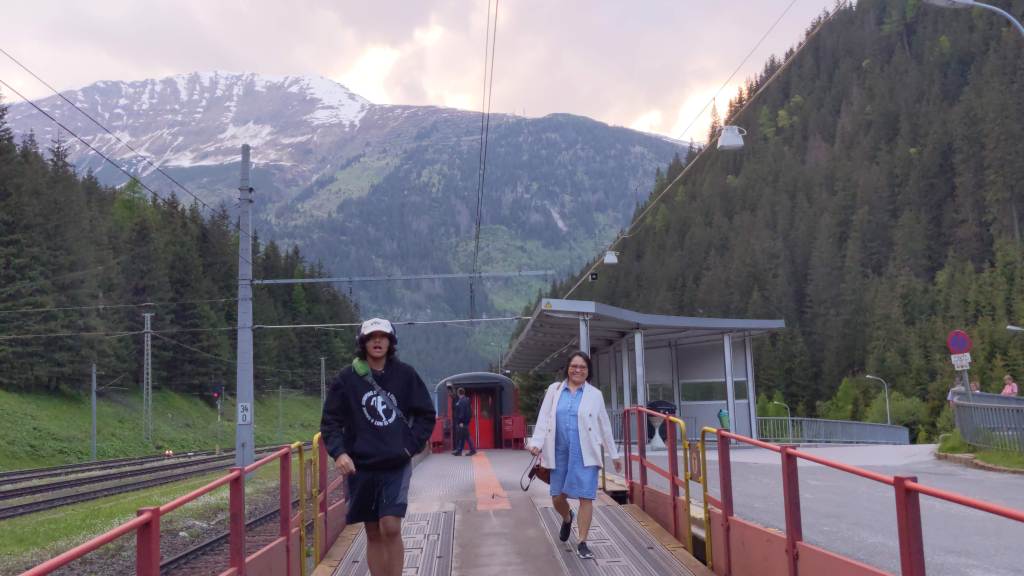
The Gastein valley is accessible by the Tauern Railway, a major railroad running from the north across the Tauern Railway Tunnel to Carinthia region in the south connecting Bad Gastein with major Austrian cities like Vienna, Linz, Salzburg and Graz. Another. The Gasteiner (Highway 167) connects the town to highway 311 which is a major road from Salzburg in the north to Zell Am Zee and Northern Italy to the west. Another interesting route that can be taken from the South is the train-car from the town of Mallnitz that travels under the High Tauern Mountains (Tauernbahn) to Bockstein that carries both passengers and their vehicles, as seen in the pictures below.
The remote valley was settled by Bavarian peasants in the 9th century. During the middle ages the area became well known for its hot springs and Habsburg emperor Frederick III, Renaissance physician Paracelsus were among notable visitors. By the 19th century The waters of Bad Gastein were fashionable. Notable guests of the past included Franz Grillparzer, composer Franz Schubert, Wilhelm von Humboldt, Emperor Franz Joseph I of Austria, German Emperor Wilhelm I, Otto von Bismarck, Empress Elisabeth of Austria, and other members of the high society. The town centre is located at the Gastein waterfall, about 1,000 meters (3,300 ft) above sea level.
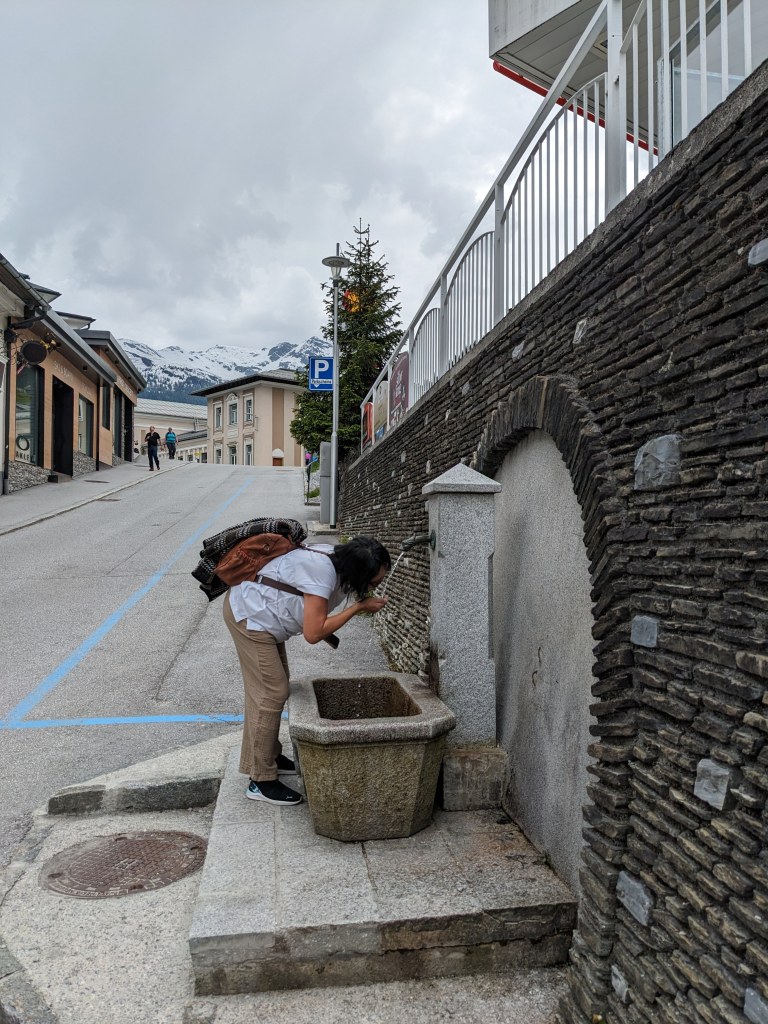
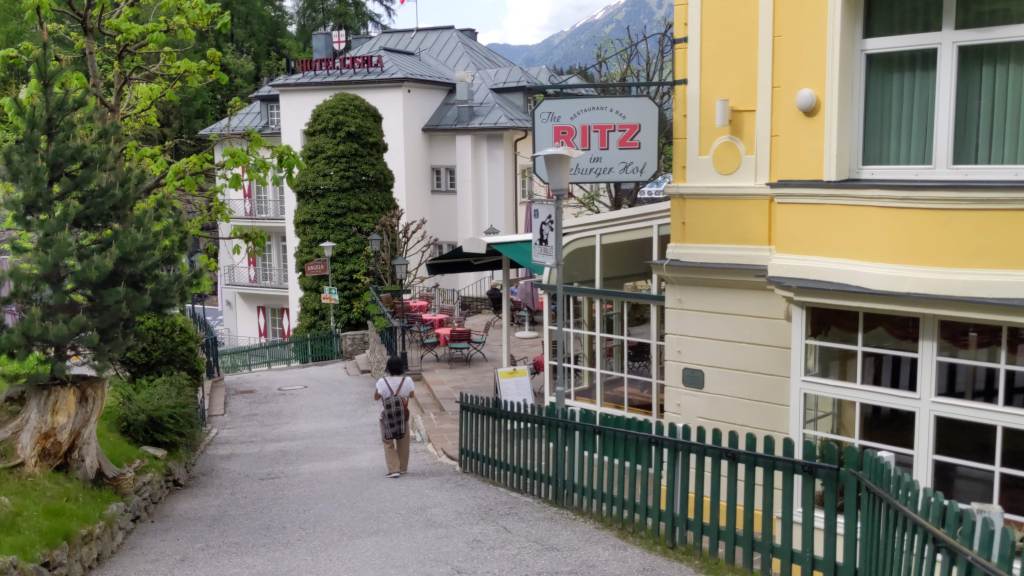
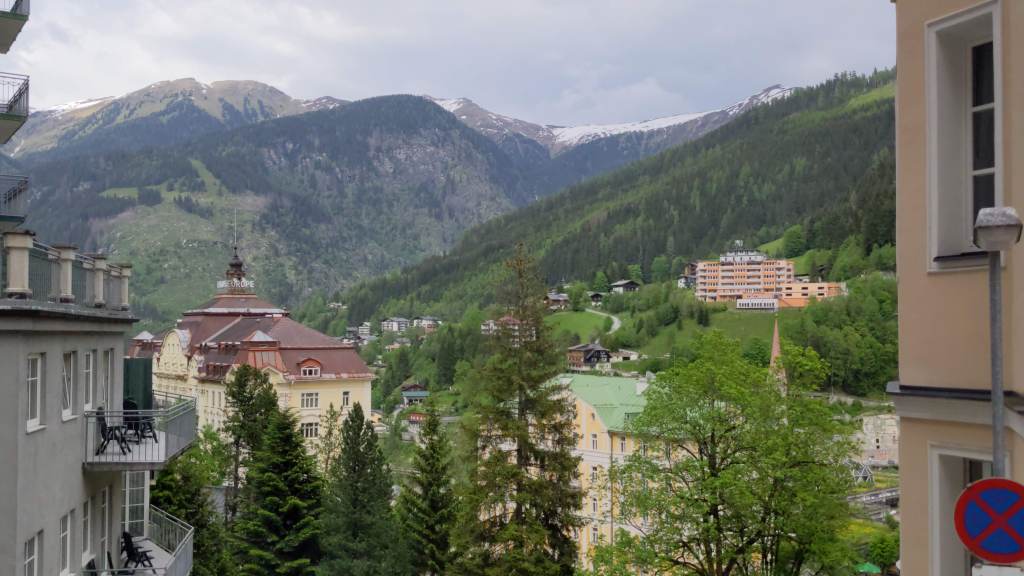
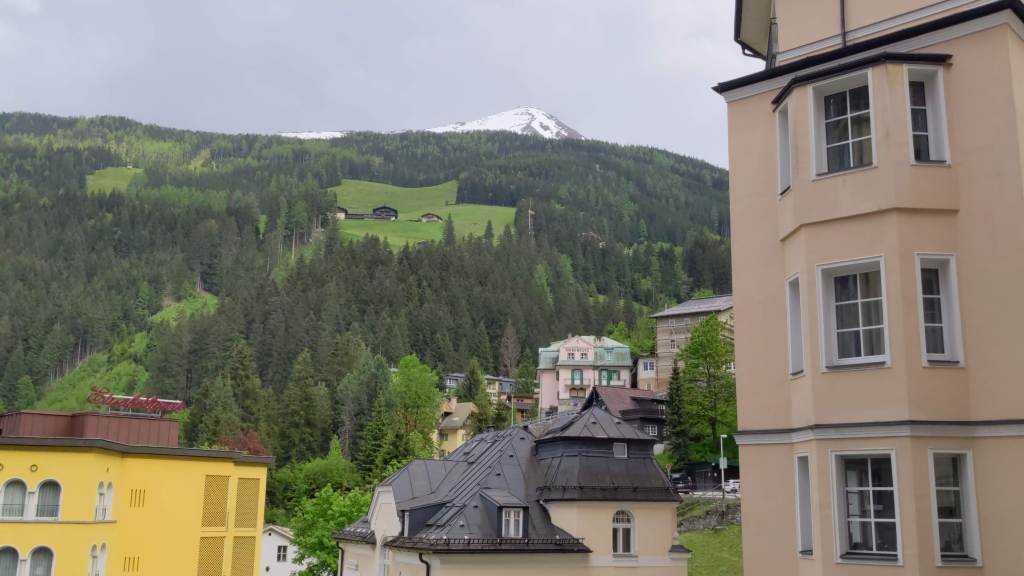
High above BadGastein is the summit of Stubnerkogel. The mountain is accessible via cable car near the train station of the town. A nature trail with multiple stops is also popular with hikers. A total of 24 peaks surrounding the gastein valley, offering a scenic view from the summit.

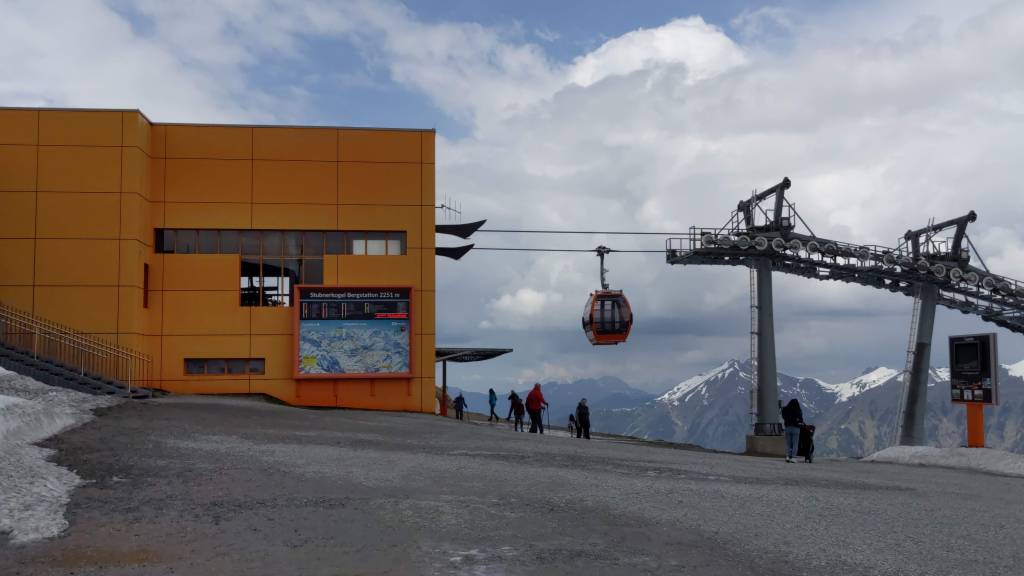
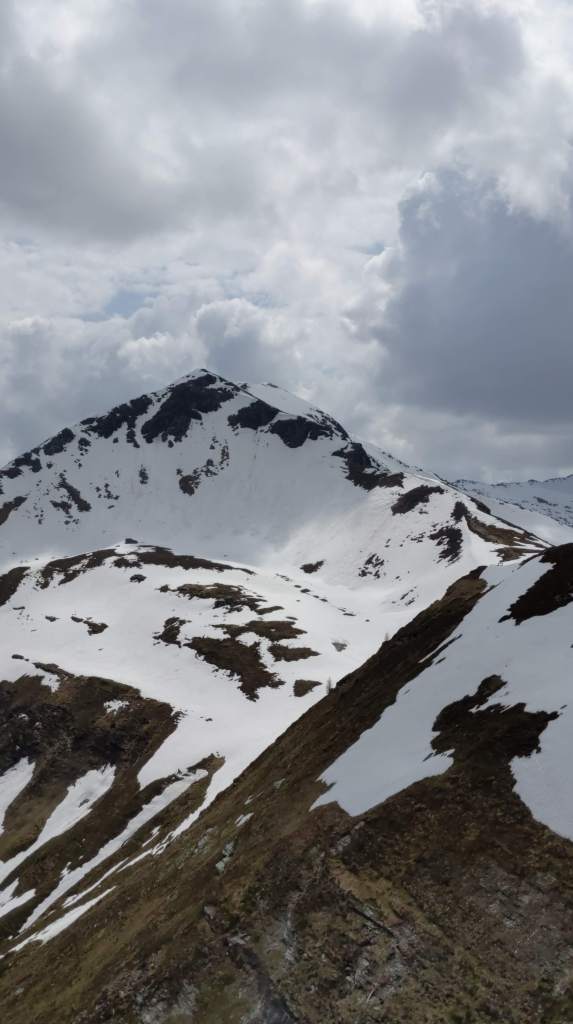
At the end of the 19th century skiing was developed as tourism activity in the alps. Resorts such as Davos and St. Moritz catered to the wealthy health tourist, while popular mass tourism could only be sustained with the expansion of the railroads. Bad Gastein, Saint-Gervais-les-Bains, and Bad Ischl were established as health spas.
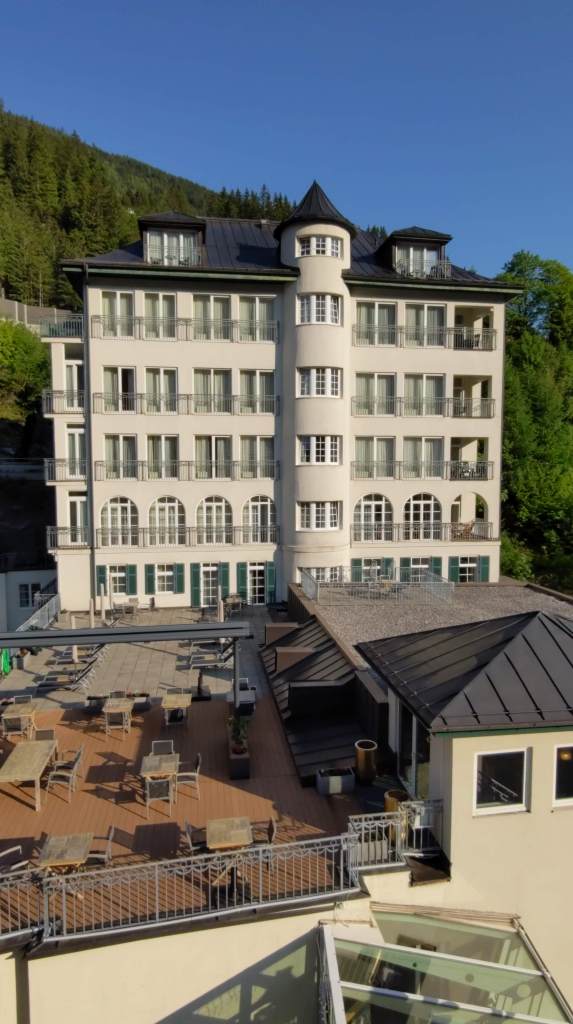
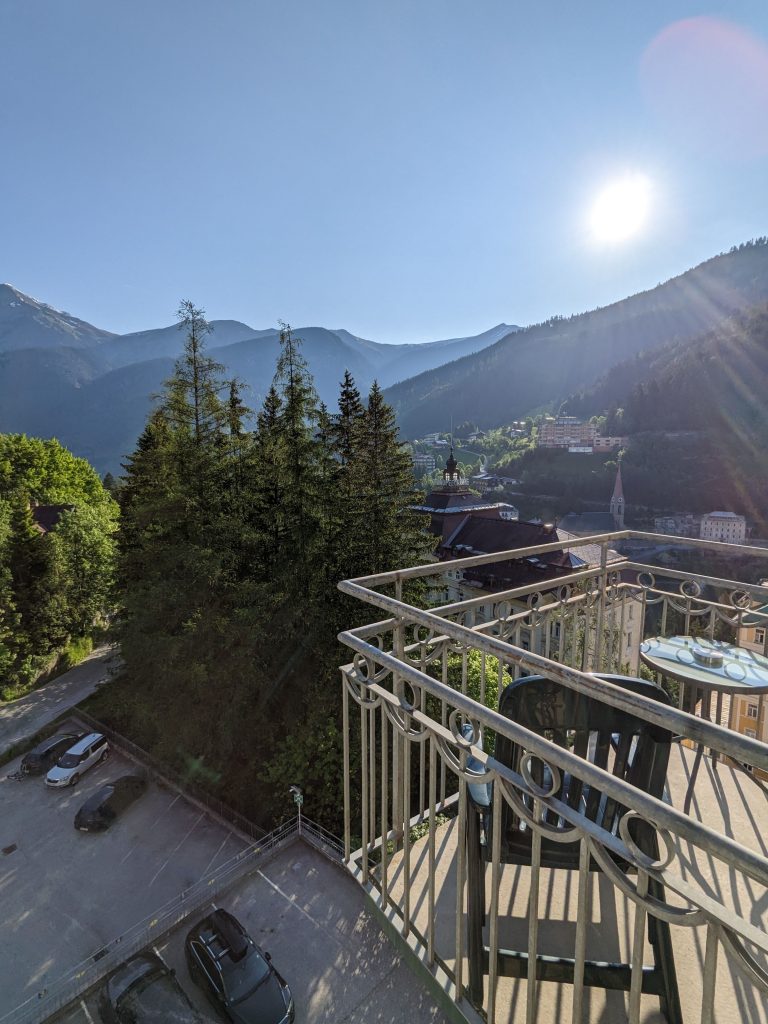
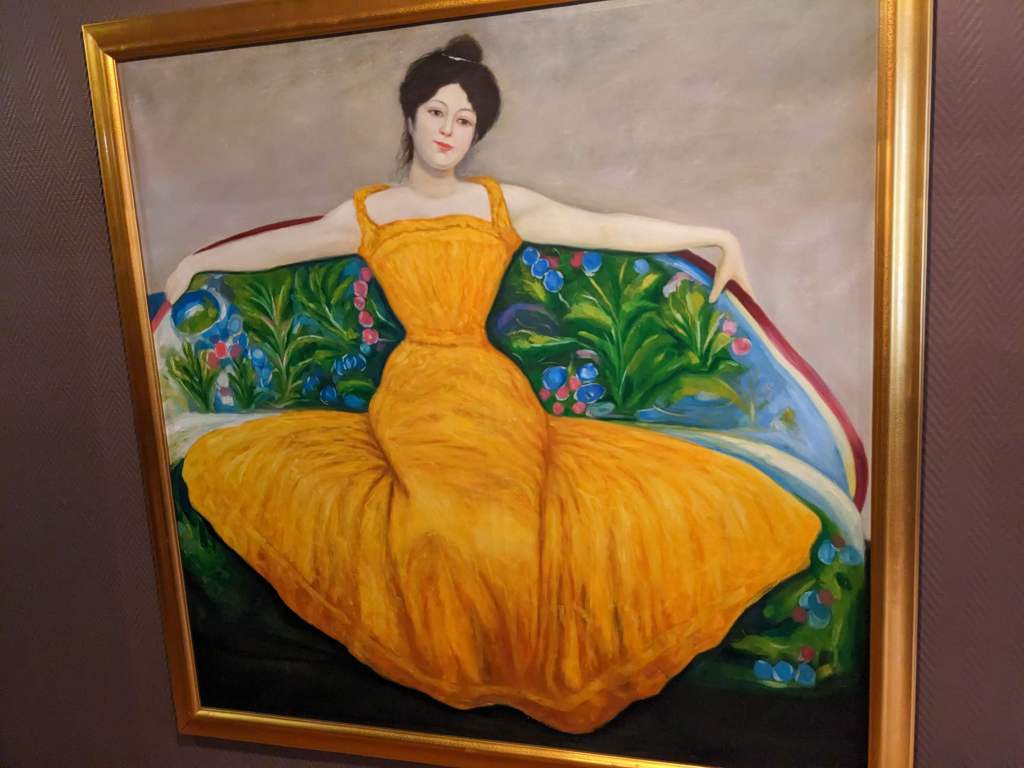
Bad Gastein’s glory days during the Bell Epoque era from early 1900s till World War II is still evident in its architecture style prominently featured in the Hollywood movie “The Grand Budapest Hotel” (2013). We stayed at the Hotel Bellevue Gastein, next door, which prominently features paintings from that era as evident from the pictures below.
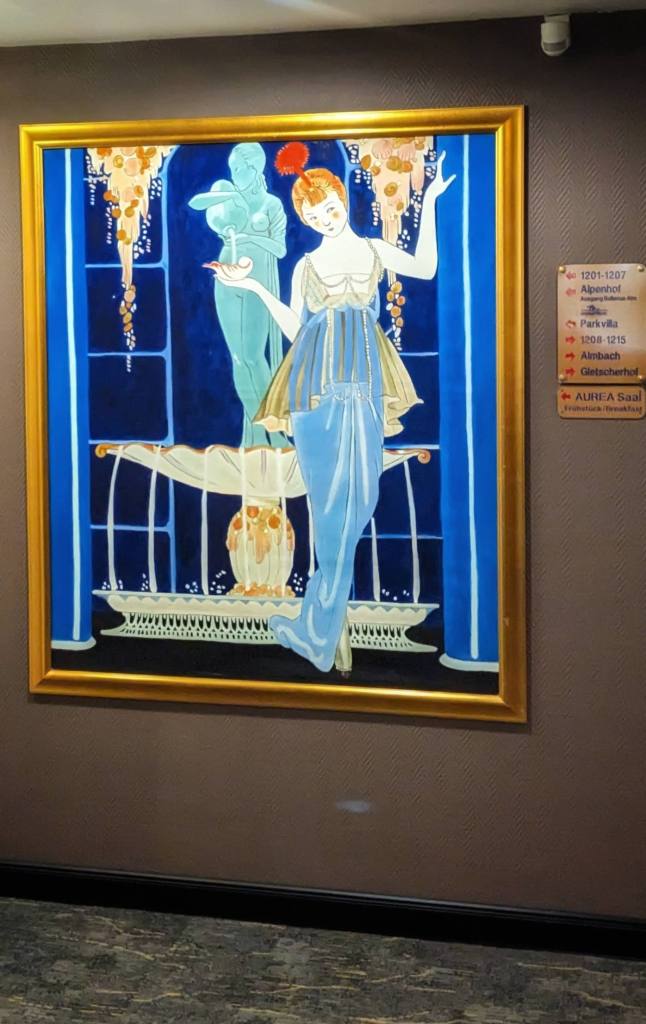
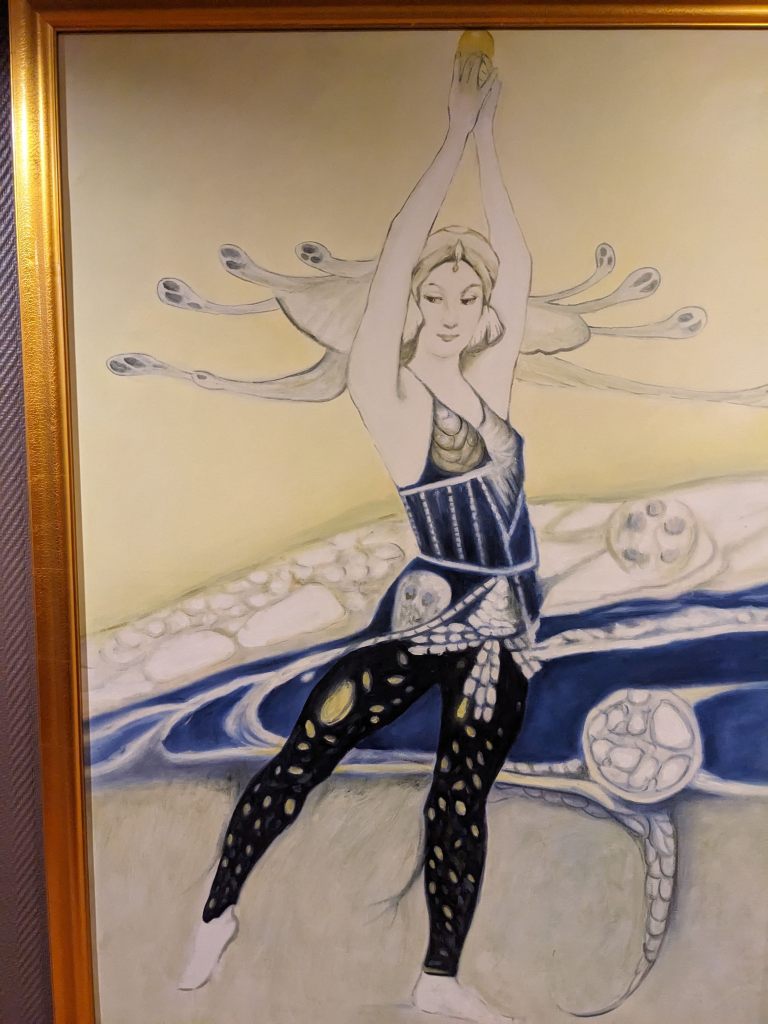
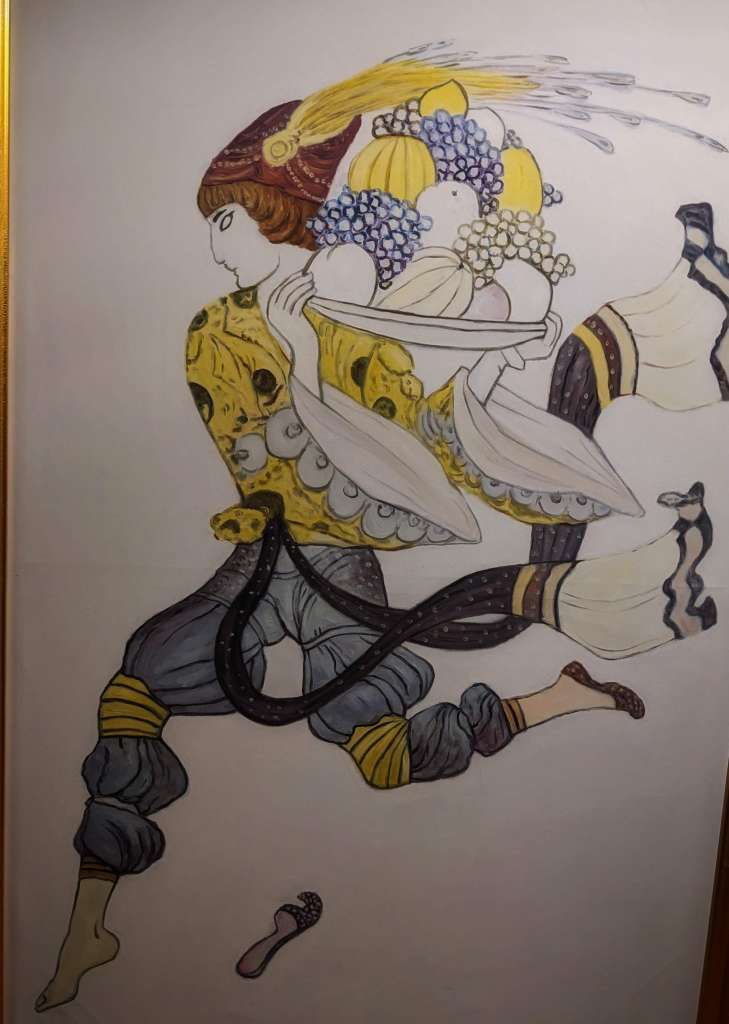
 All Around The World