
Salzburg is the fourth-largest city in Austria with a population over 150,000 (2020 estimate).

The town is on the site of the Roman settlement of Iuvavum. Salzburg was founded as an episcopal see in 696 and became a seat of the archbishop in 798. Its main sources of income were salt extraction, trade, as well as gold mining.


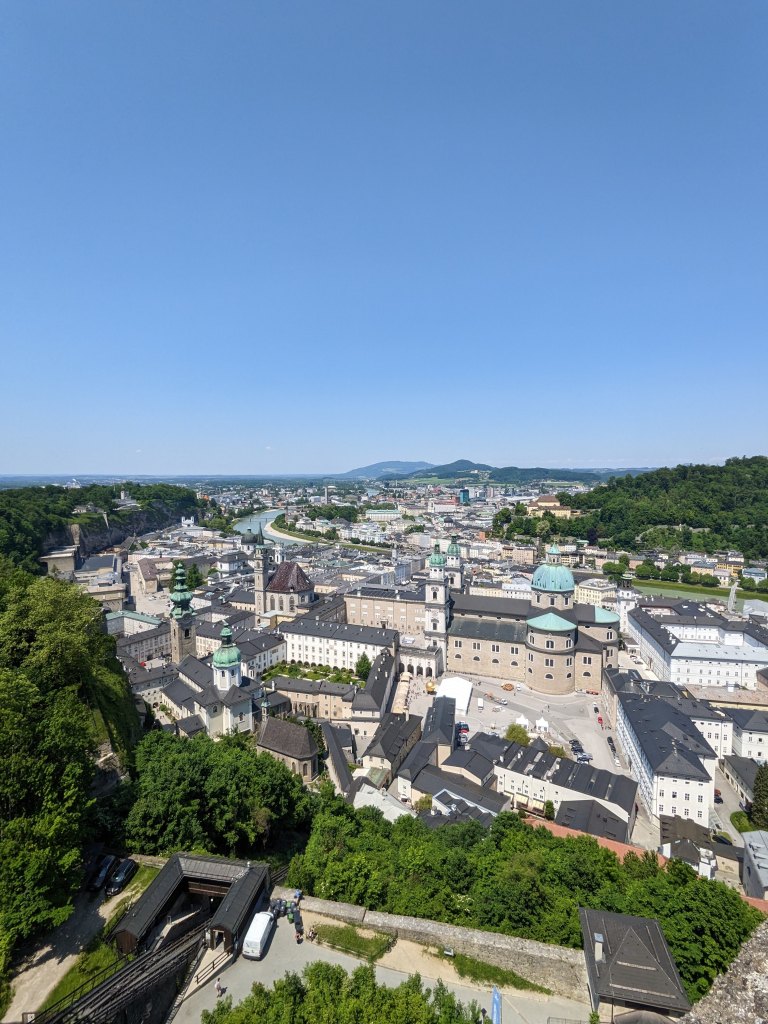
The fortress of Hohensalzburg, one of the largest medieval fortresses in Europe, dates from the 11th century. Independence from Bavaria was secured in the late 14th century. Salzburg was the seat of the Archbishopric of Salzburg, a prince-bishopric of the Holy Roman Empire.


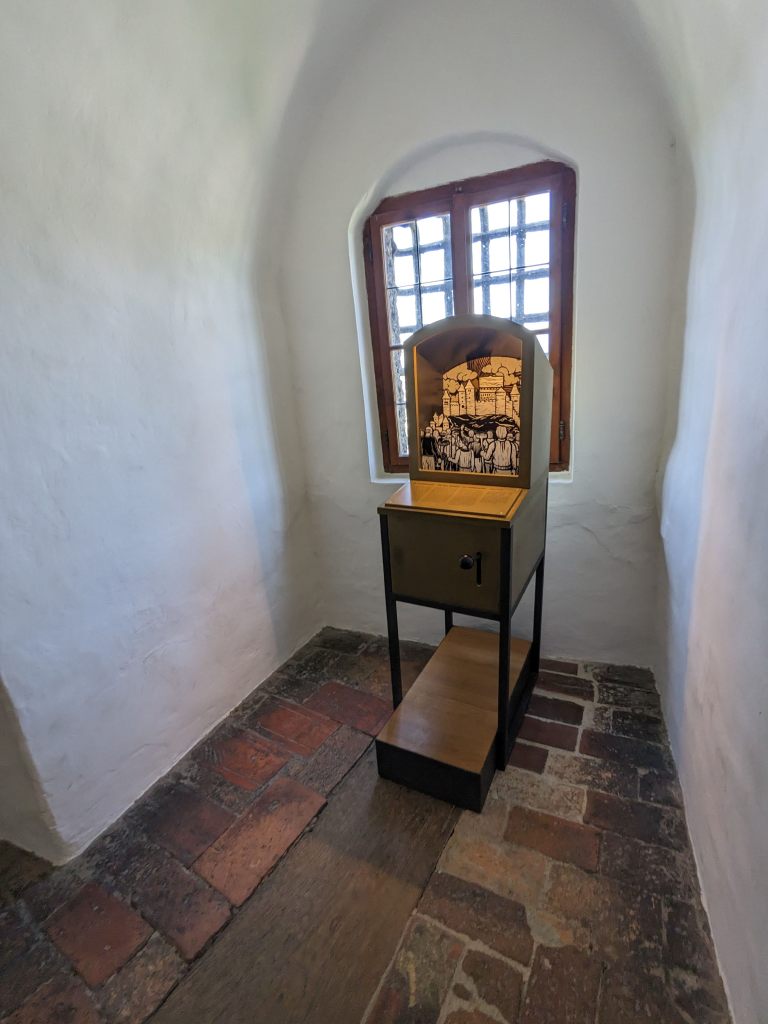
In the 17th century, Salzburg became a center of the Counter-Reformation, with monasteries and numerous Baroque churches built. As the Reformation movement gained steam, riots broke out among peasants in the areas in and around Salzburg. The city was occupied during the German Peasants’ War in 1525, and the Archbishop had to flee to the safety of the fortress.
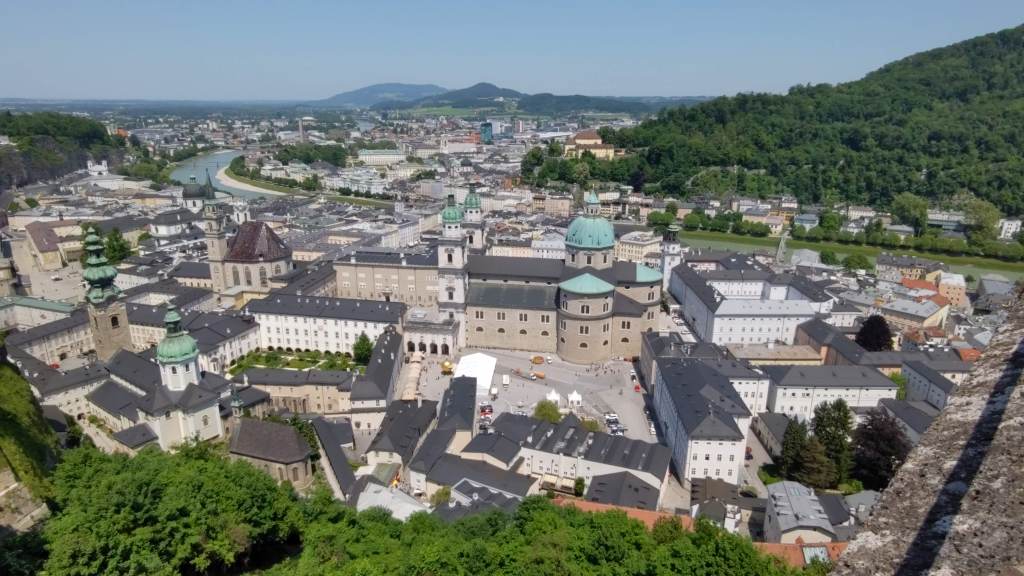

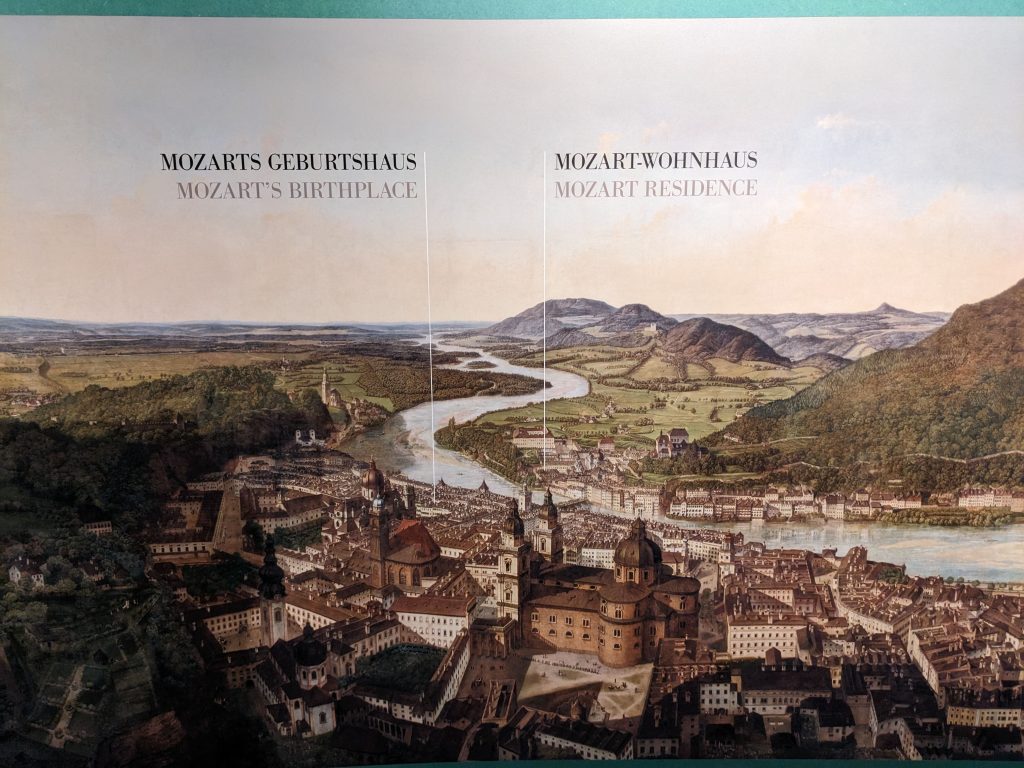
In the 17th century Italian architects (and Austrians who had studied the Baroque style) rebuilt the city center as it is today along with many palaces. In 1772–1803, under archbishop Hieronymus Graf von Colloredo, Salzburg was a center of late Illuminism. The famous composer Wolfgang Amadeus Mozart was under the archbishop’s service until he left for Vienna in 1781, although his father Leopold remained in Salzburg.

In 1805, Salzburg was annexed to the Austrian Empire. In 1850, Salzburg’s status was restored as the capital of the Duchy of Salzburg. The city became part of Austria-Hungary in 1866 as the capital of a crownland of the Austrian Empire. The nostalgia of the Romantic Era led to increased tourism. In 1892, a funicular was installed to facilitate tourism to Hohensalzburg Fortress.

Following World War I and the dissolution of the Austro-Hungarian Empire, Salzburg, as the capital of one of the Austro-Hungarian territories, became part of the new German Austria. The Anschluss (the occupation and annexation of Austria, including Salzburg, into Nazi Germany) took place on 12 March 1938. German troops moved into the city. Political opponents, Jewish citizens and other minorities were subsequently arrested and deported to concentration camps. During WW-II, 15 air strikes destroyed 46 percent of the city’s buildings, especially those around Salzburg railway station. Although the town’s bridges and the dome of the cathedral were destroyed, much of its Baroque architecture remained intact. As a result, Salzburg is one of the few remaining examples of a town of its style. American troops entered the city on 5 May 1945 and it became the centre of the American-occupied area in Austria.
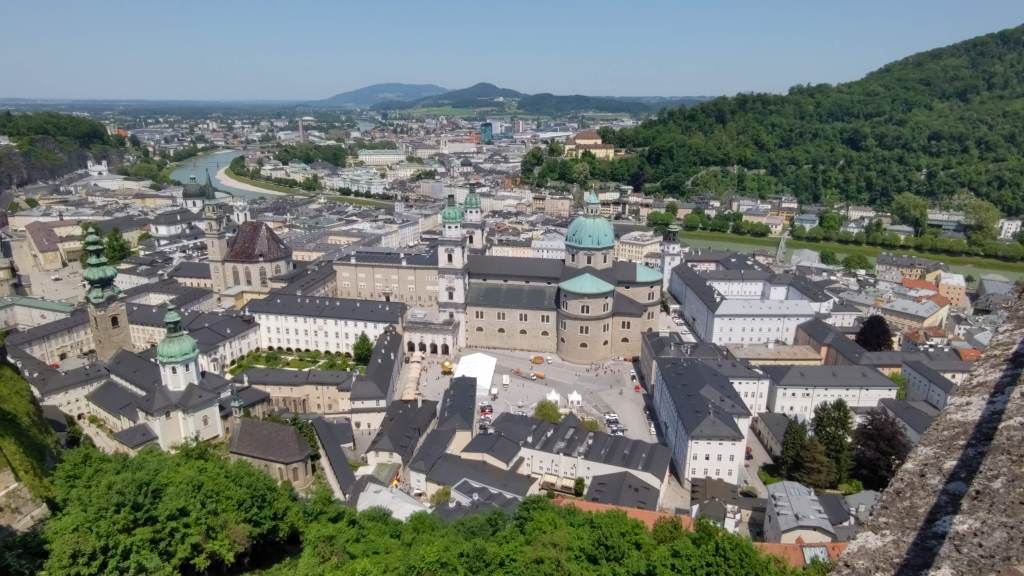

After World War II, Salzburg became the capital city of the Federal State of Salzburg and American troops withdrew after a 1955 treaty declaring Austria as a democratic and independent country. In the 1960s, the city became the shooting and setting of the famous musical film The Sound of Music. On 27 January 2006, the 250th anniversary of the birth of Wolfgang Amadeus Mozart, all 35 churches of Salzburg rang their bells after 8:00 p.m. (local time) to celebrate the occasion. Major celebrations took place throughout the year.
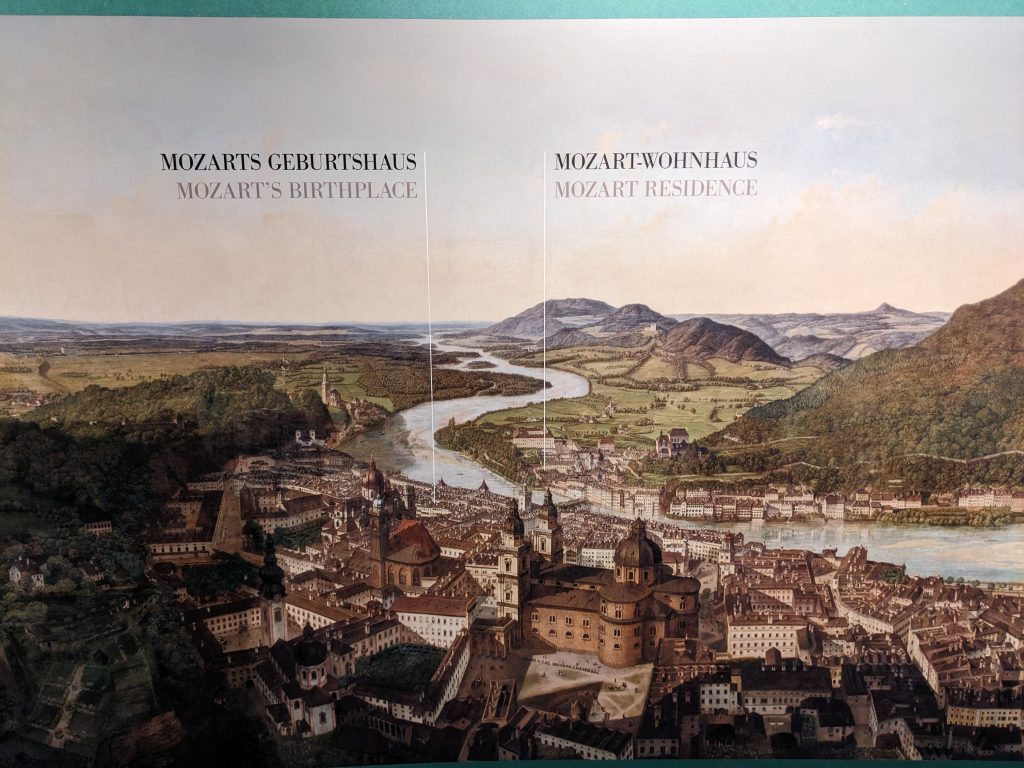
Salzburg’s historic center (German: Altstadt) is renowned for its Baroque architecture and is one of the best-preserved city centers north of the Alps. The historic center was enlisted as a UNESCO World Heritage Site in 1996.
 All Around The World