
The Roman Forum is a rectangular plaza at the city center of Rome, Italy, surrounded by the ruins of several important ancient government buildings some dating back to 7th century BC. Citizens of the ancient city referred to this space as the Forum Magnum, or simply the Forum.
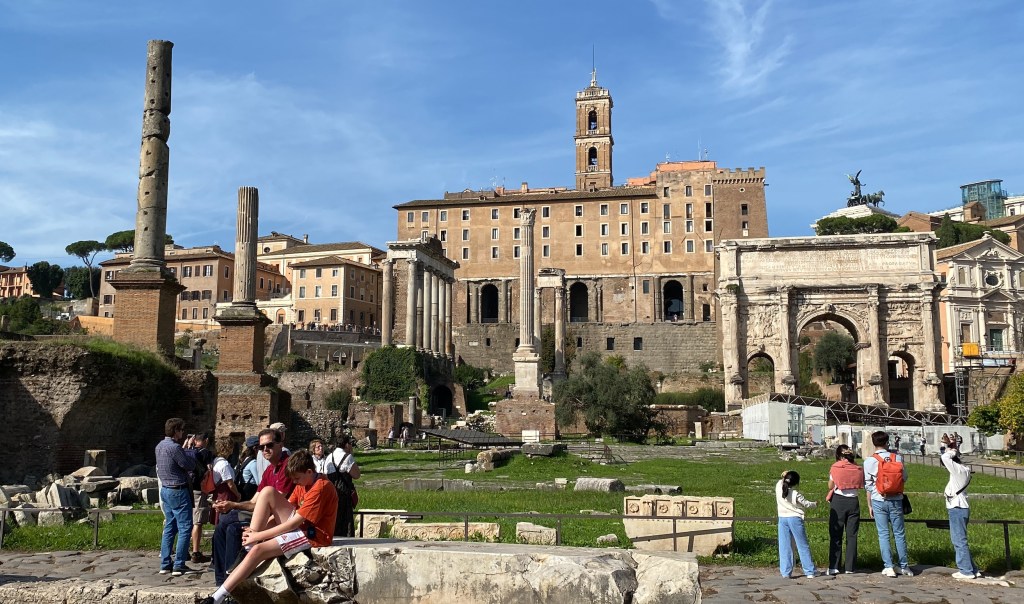
For centuries, the Forum was the centre of day-to-day Roman life: the site of triumphal processions and elections; the venue for public speeches, criminal trials and gladiatorial matches; and the nucleus of commercial affairs. Here statues and monuments commemorated the city’s leaders. It has been called the most celebrated meeting place in the world, and in all history.
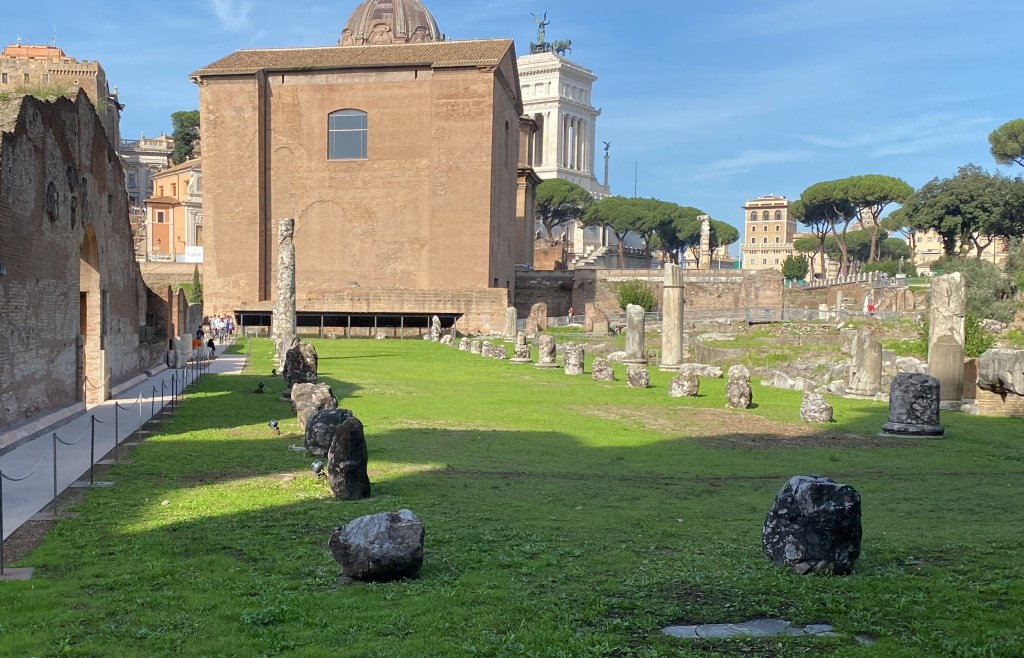
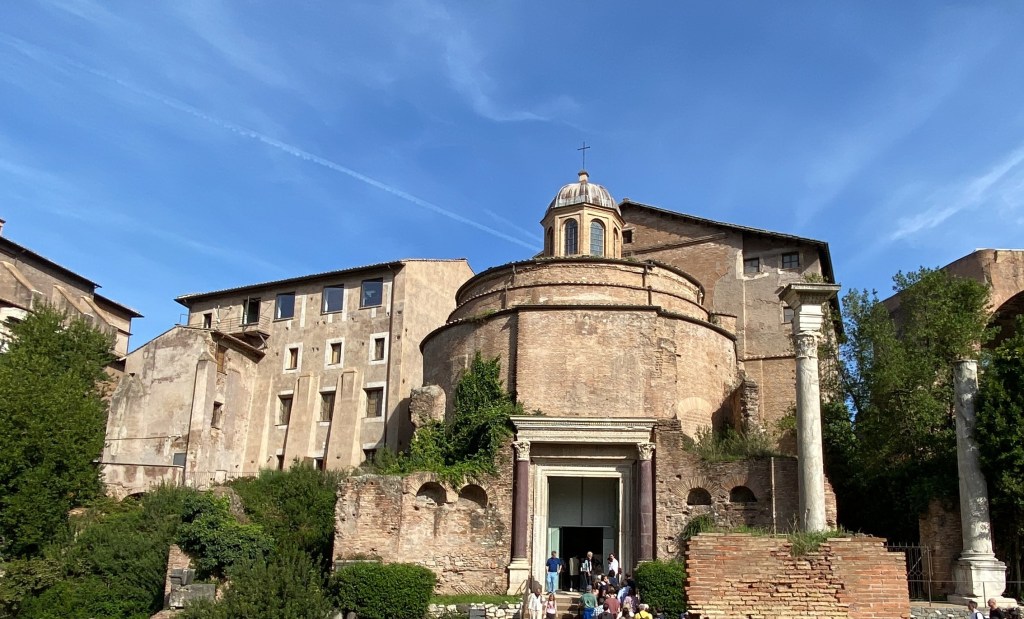
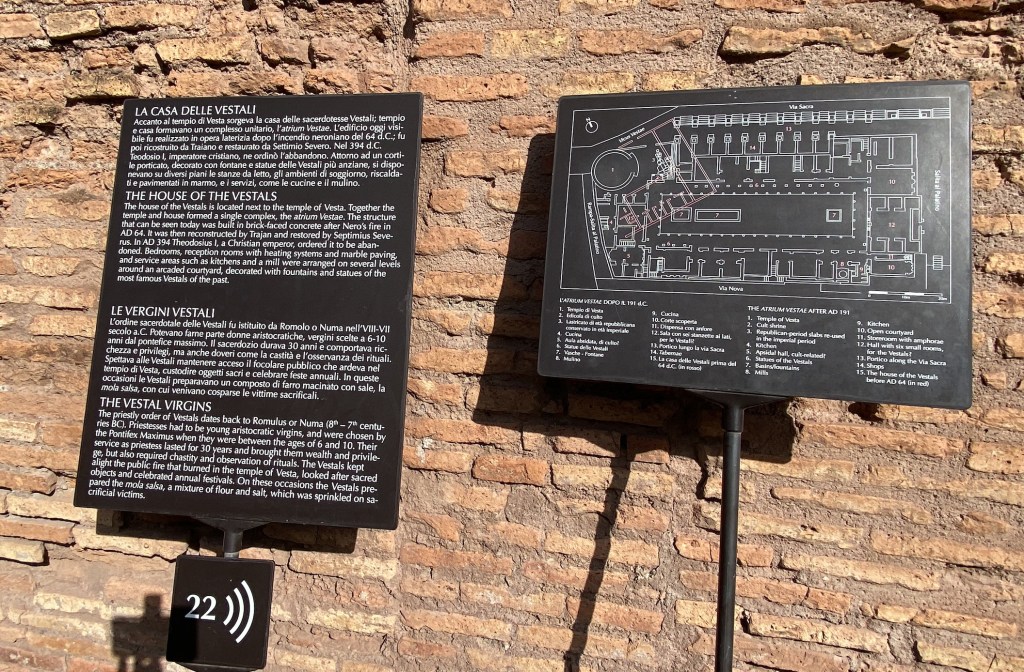
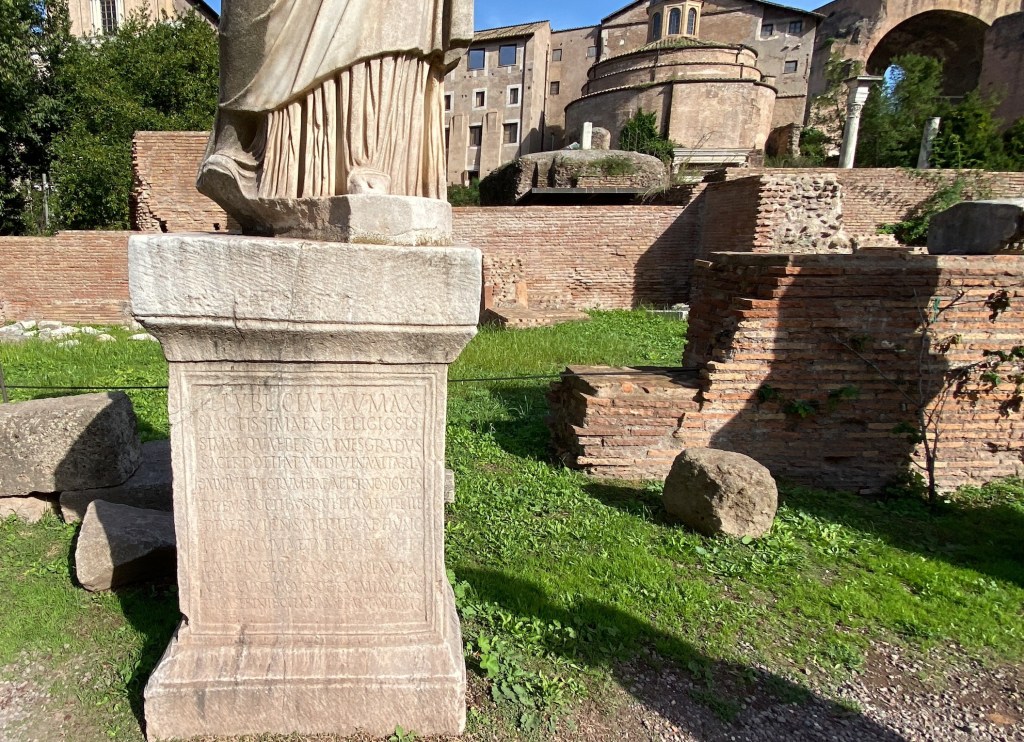
Many of the oldest and most important structures of the ancient city were located on or near the Forum. The Roman Kingdom’s earliest shrines and temples were located on the southeastern edge. These included the ancient former royal residence, the Regia (8th century BC), and the Temple of Vesta (7th century BC), as well as the surrounding complex of the Vestal Virgins, all of which were rebuilt after the rise of imperial Rome.
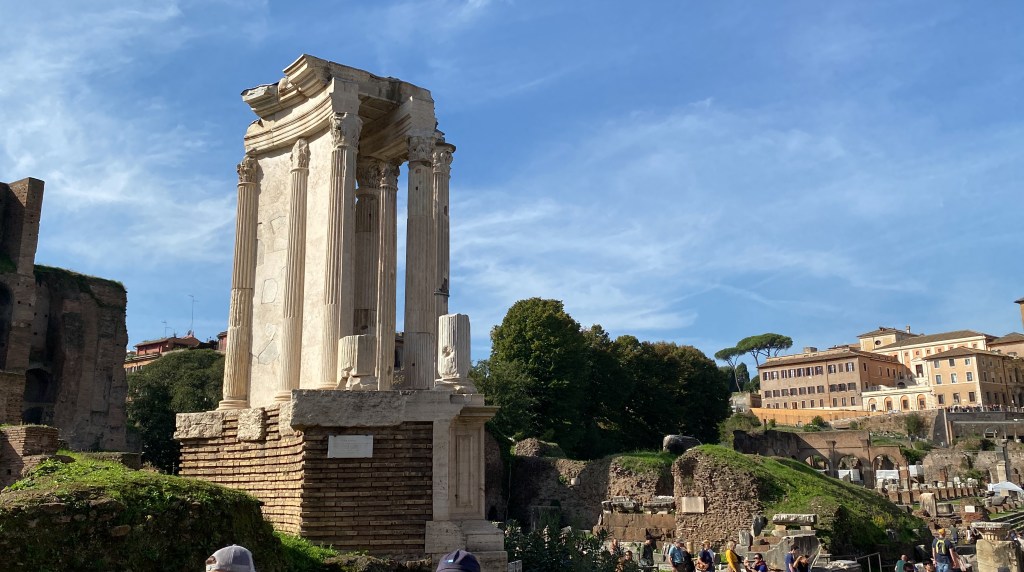

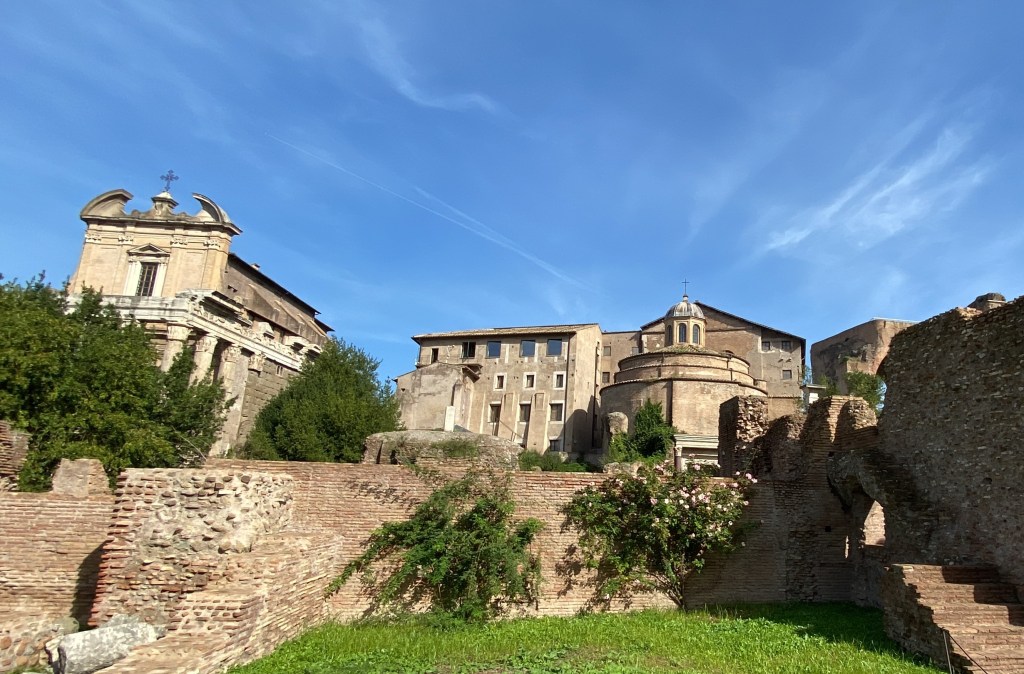
Other archaic shrines to the northwest, such as the Umbilicus Urbis and the Vulcanal (Shrine of Vulcan), developed into the Republic’s formal assembly area, the Comitium. This was where the Senate began. The Senate House, government offices, tribunals, temples, memorials and statues gradually cluttered the area.

Over time, the archaic Comitium was replaced by the larger adjacent Forum, and the focus of judicial activity moved to the new Basilica Aemilia (179 BC). Some 130 years later, Julius Caesar built the Basilica Julia, along with the new Curia Julia, refocusing both the judicial offices and the Senate itself. This new Forum served as a revitalized city square where the people of Rome could gather for commercial, political, judicial and religious pursuits in ever greater numbers.


Julius Caesar will eventually be assassinated by Brutus and other senators and his body burned. The location is now marked as the Tomb of Caesar in The Forum.
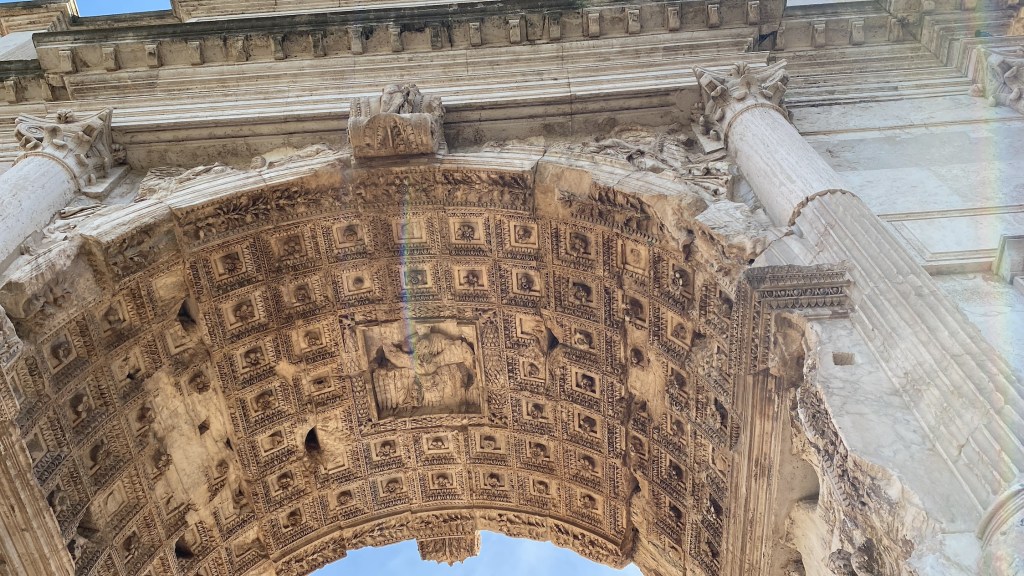
More than a century after Caesar’s assassination, the death of Nero and the rise of the Flavian Dynasty, the Colosseum was built about a mile from the Forum by Emperor Vespasian and opened by his son Emperor Titus. The memorial of Titus was built by his brother, the last emperor of the Flavian Dynasty.
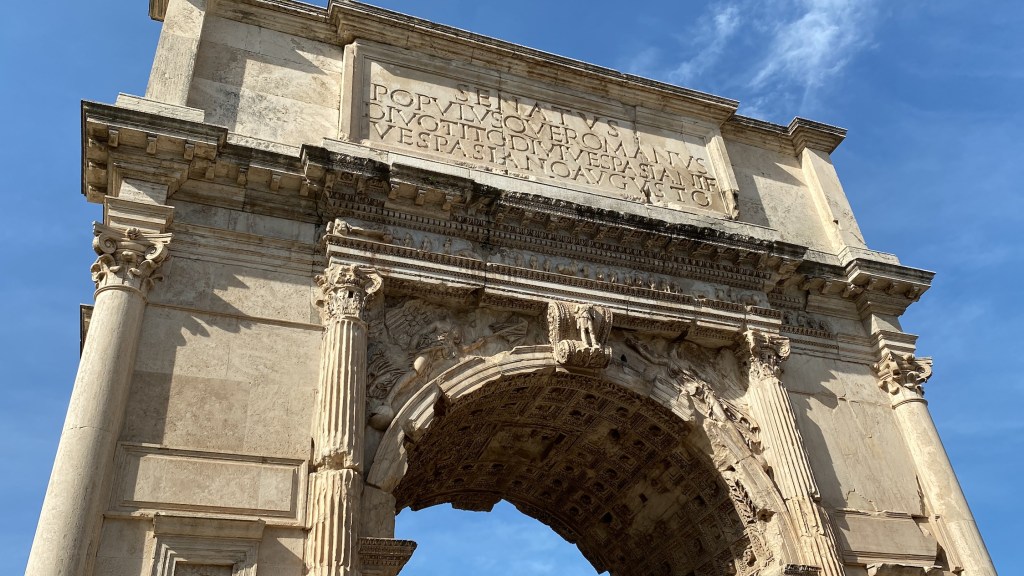
Eventually, much economic and judicial business would transfer away from the Forum Romanum to the larger and more extravagant structures such as Trajan’s Forum and the Basilica Ulpia to the north. The reign of Constantine the Great saw the construction of the last major expansion of the Forum complex—the Basilica of Maxentius (312 AD). This returned the political centre to the Forum until the fall of the Western Roman Empire almost two centuries later between 450 – 500 AD.
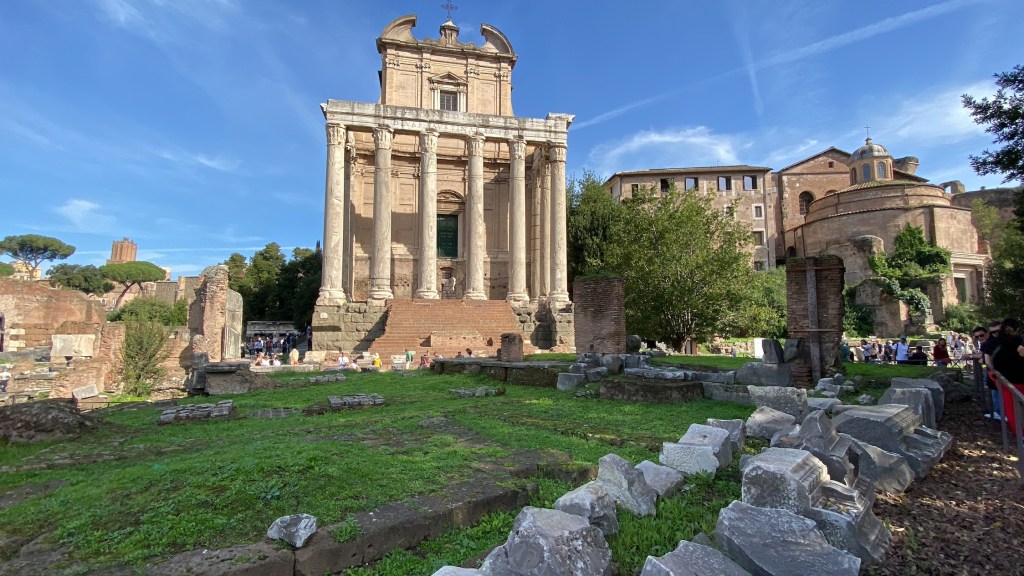
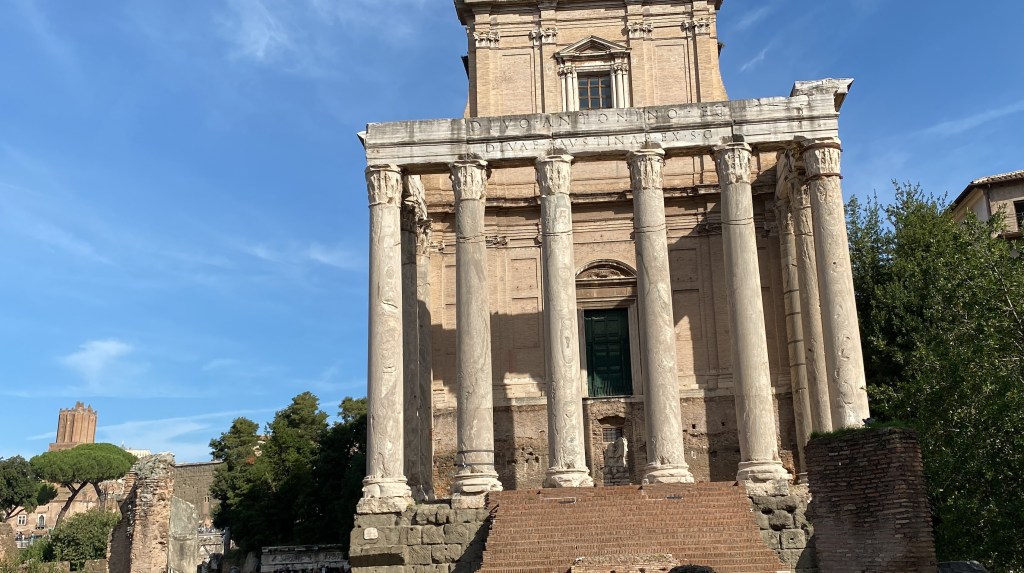
After the Fall of the Western Roman Empire, much of the city of Rome fell into ruin, from famine, warfare, and lack of authority. During the Middle Ages, though the memory of the Forum Romanum persisted, its monuments were for the most part buried under debris, and its location was designated the “Campo Vaccino” or “cattle field,” located between the Capitoline Hill and the Colosseum.
The Forum Romanum suffered some of its worst depredations during the Italian Renaissance, particularly in the decade between 1540 and 1550, when Pope Paul III exploited it intensively for material to build the new Saint Peter’s Basilica.
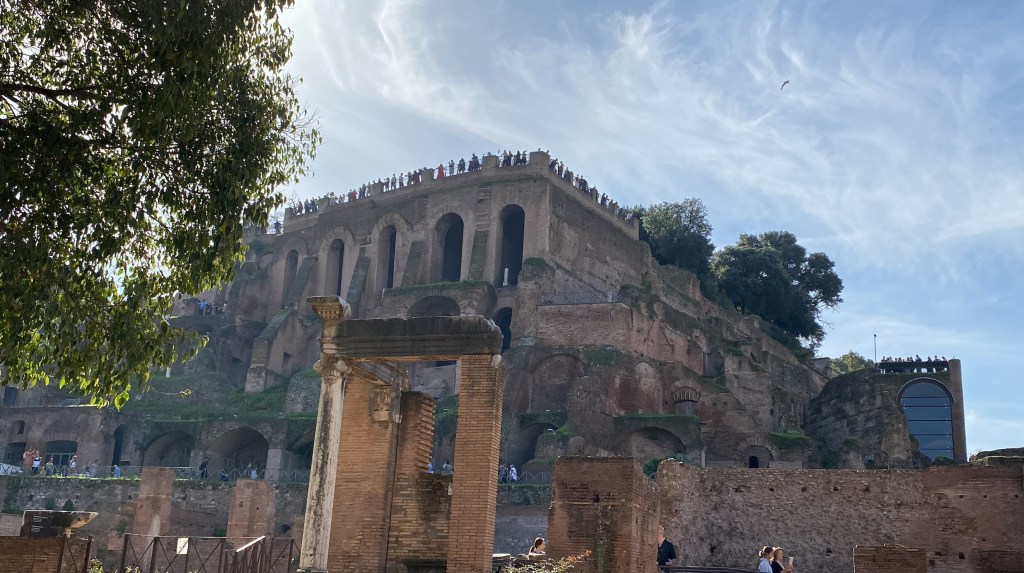
The excavation by Carlo Fea, who began clearing the debris from the Arch of Septimius Severus in 1803 marked the beginning of clearing the Forum. Excavations were officially begun in 1898 by the Italian government under the Minister of Public Instruction, Dr. Baccelli.
Today, the Roman Forum, along with the Colosseum, Palatine Hills and several adjacent historic monuments, forms the heart of the city and one of the most popular historic attraction in the world.
 All Around The World