
Brief History of St. Gallen


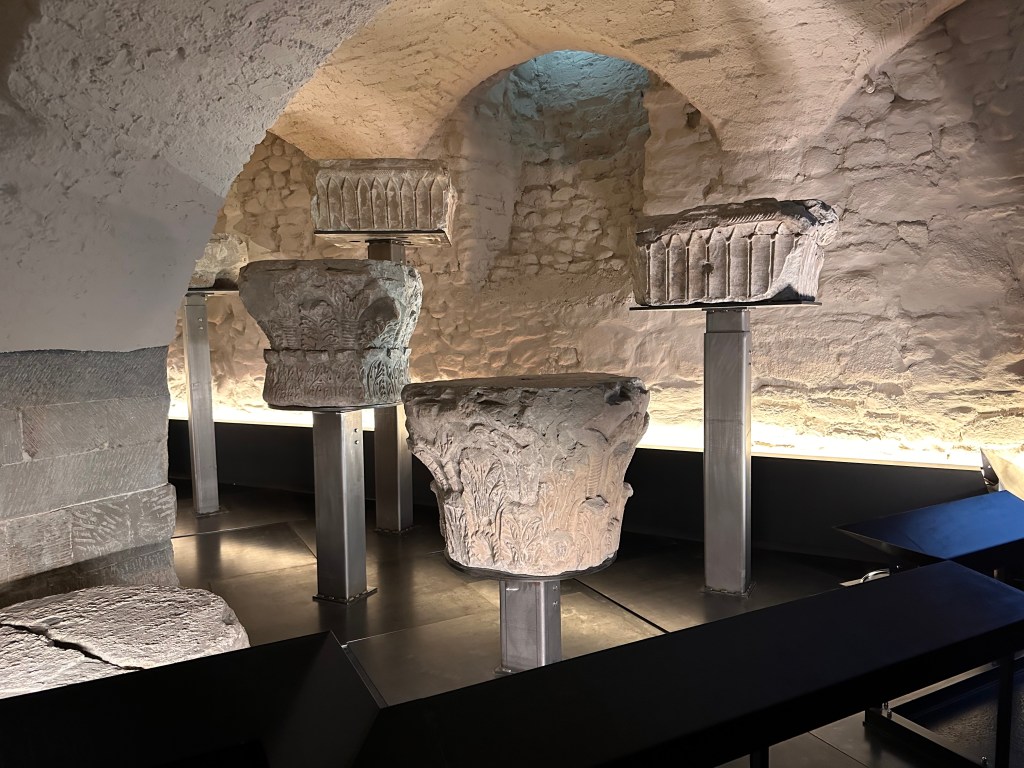
- Early Foundations and Monastic Origins: The roots of St. Gallen trace back to the 7th century when the wandering monk Gallus founded a hermitage in what would later become the city. The hermitage later evolved into the Abbey of St. Gall, a Benedictine monastery that became the nucleus of the city.
- Medieval Flourishing: By the 9th century, the Abbey of St. Gall had grown into one of Europe’s most important cultural centers. The Abbey’s library, renowned for its vast collection of medieval texts, was instrumental in the spread of Christianity and education throughout the region.
- Economic Boom in Textile: During the 15th to 18th centuries, St. Gallen prospered thanks to its thriving textile industry. It became a hub for the production and trade of fine linen and later, embroidered textiles, which were exported across Europe.
- Political Changes and Modern Development: In the 19th century, St. Gallen adapted to the changing political landscape of Switzerland. It became part of the Swiss Confederation and continued to grow economically with the expansion of its textile industry into the industrial age.
- Contemporary St. Gallen: Today, St. Gallen is known for its educational institutions like the University of St. Gallen, and maintains a rich cultural scene that reflects its medieval and mercantile heritage.


Top 5 Attractions in St. Gallen
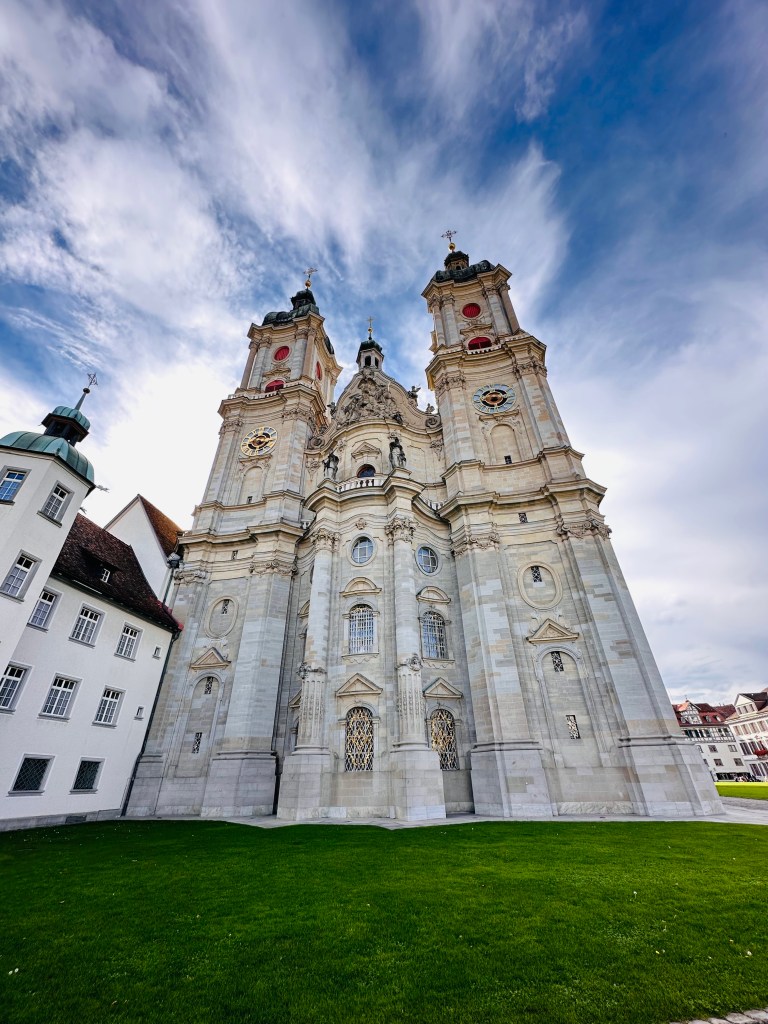
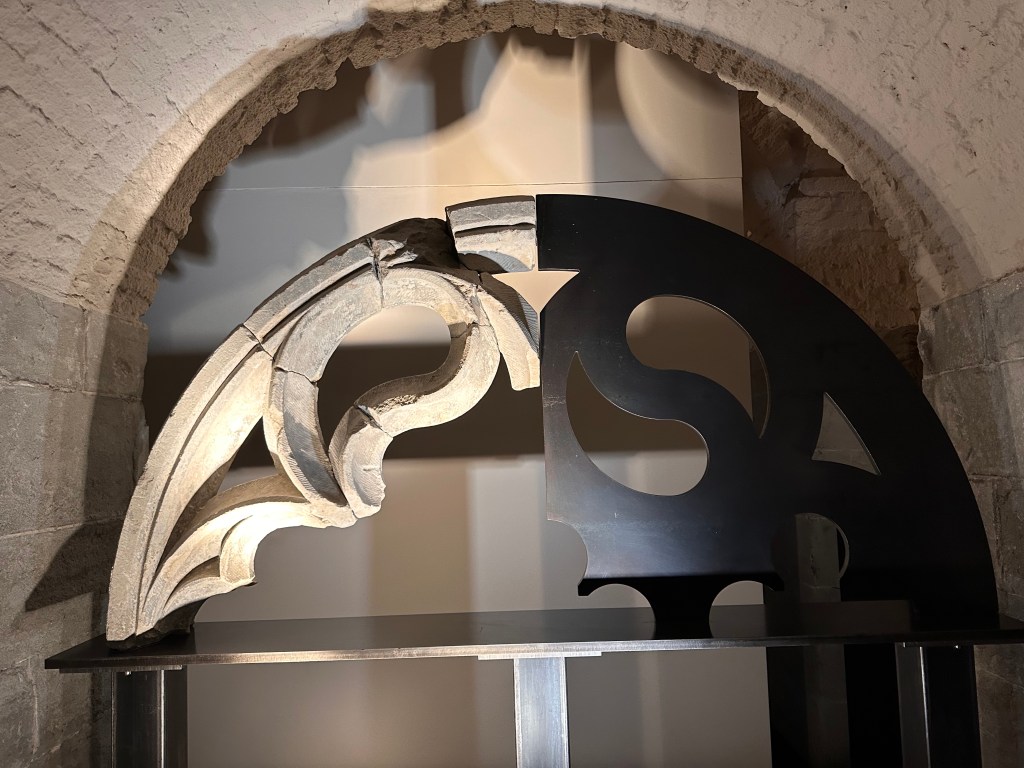
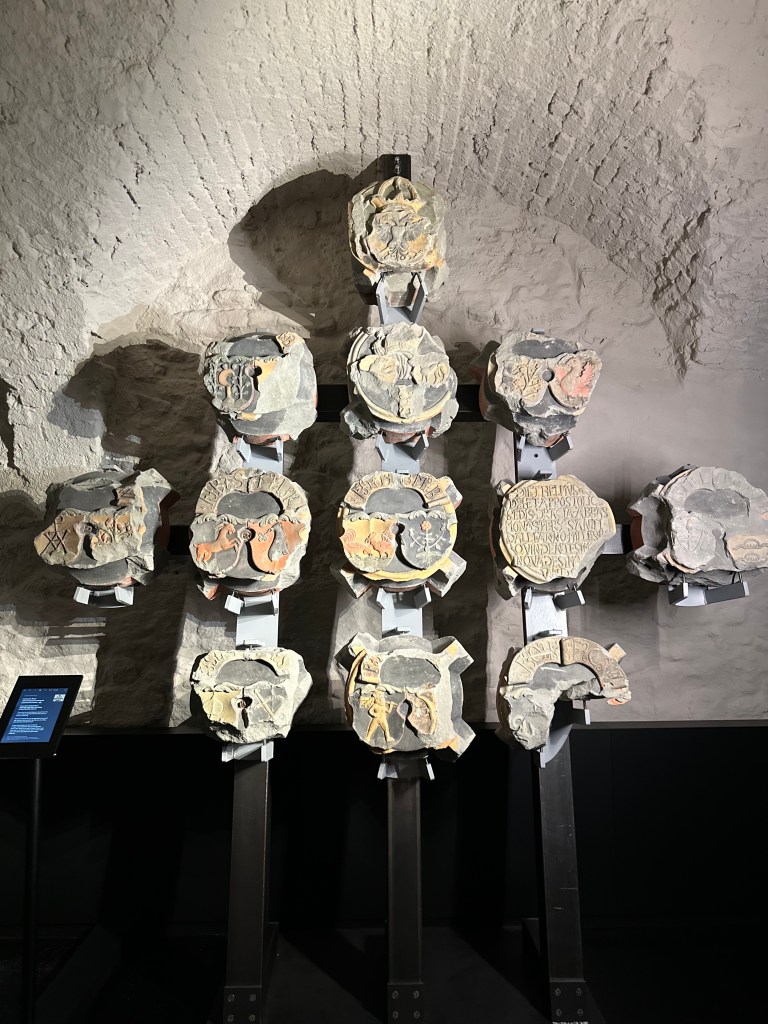
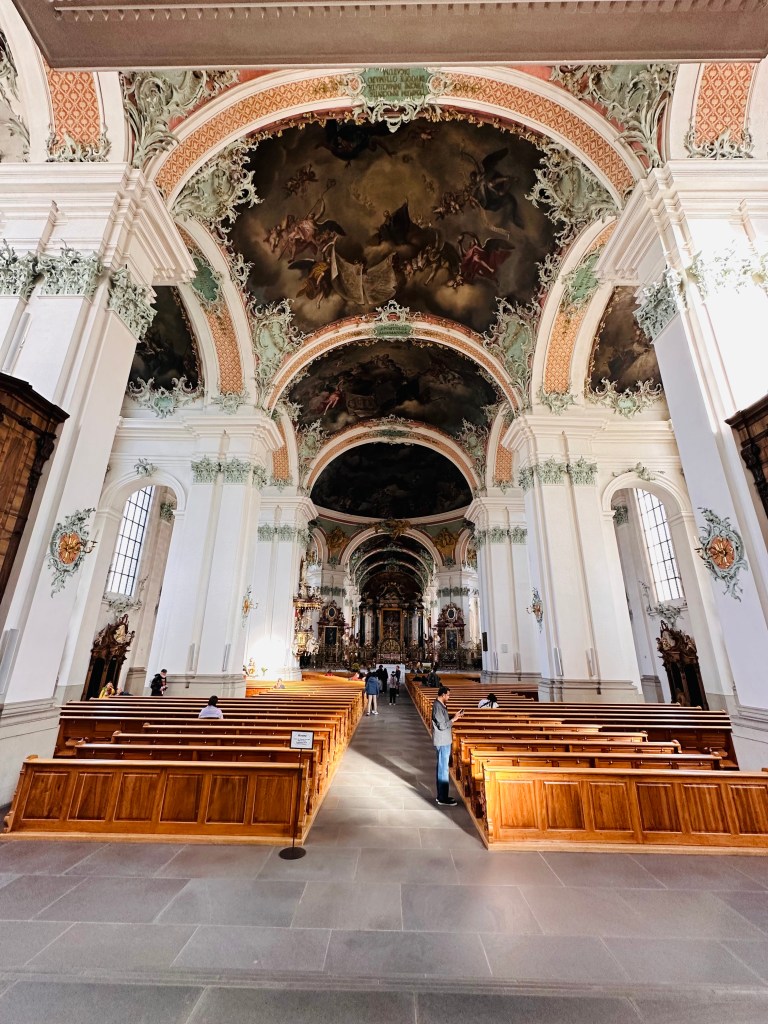
- Abbey of St. Gall: A UNESCO World Heritage site, the Abbey is famous for its baroque architecture, magnificent cathedral, and especially its library, one of the oldest and most spectacular in the world.
- Textile Museum: Reflecting its history as a textile center, the museum displays an impressive collection of textiles from the region and around the world, including rare lace and embroidery.
- St. Laurenzen Church: Known for its striking architecture and frescoes, this church offers a glimpse into the religious and artistic history of the city.
- Three Ponds (Drei Weieren): This area offers a relaxing escape with beautiful views of the city and surrounding landscapes. The ponds are a popular spot for swimming and picnicking.
- St. Gallen Art Museum (Kunstmuseum): The museum houses a rich collection of art ranging from the Middle Ages to contemporary works, highlighting the city’s ongoing cultural relevance.
Travel Tips: Visiting St. Gallen
- Getting There: St. Gallen is well-connected by train with frequent services from Zurich, which takes about an hour. There are also direct connections from other major Swiss cities like Geneva and Basel.
- Optimizing Your Visit:
- St. Gallen Card: Consider purchasing the St. Gallen Card, which offers free public transportation within the city and discounts on various attractions, including museums and guided tours.
- Guided Tours: To fully appreciate the history and architecture, take a guided tour of the Abbey District, including the cathedral and the library.
- Dress Appropriately: When visiting religious sites like the Abbey or St. Laurenzen, be mindful of dress codes typically requiring modest attire.
- Best Times to Visit: The best time to visit St. Gallen is during the summer and early autumn months when the weather is pleasant and the city hosts various cultural events.
 All Around The World