
Herculaneum’s Rich History and Its Link to Naples
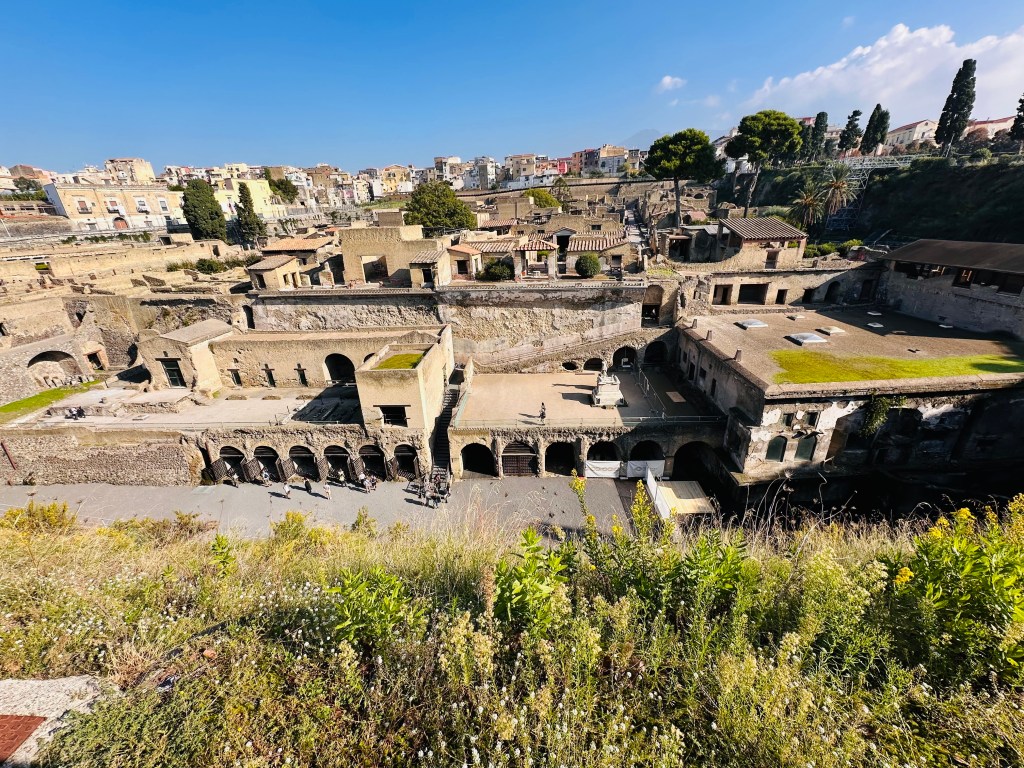
Nestled along the Bay of Naples, Herculaneum was once a prosperous Roman town that, despite being overshadowed by its larger neighbor, Pompeii, boasted a wealth and refinement that captivated the ancient elite. Though Herculaneum’s fate was sealed by the eruption of Mount Vesuvius in 79 AD, the town’s story goes beyond this tragic event. Its history, culture, and distinct lifestyle make it a fascinating lens through which to view life in ancient Italy.
A Retreat of the Roman Elite
Herculaneum was smaller than Pompeii but just as significant, if not more so, to its inhabitants and admirers. Its location by the sea made it a picturesque retreat for wealthy Romans who were drawn to its serene environment and luxurious accommodations. With exquisite villas, public bathhouses, and an abundance of frescoes, Herculaneum became a playground for the Roman elite—a place where they could escape the bustling life of cities like Naples and indulge in relaxation and luxury.
Herculaneum’s residents included not only the aristocratic families but also skilled artisans and merchants who contributed to the town’s economy and cultural life. Known for its refined taste, Herculaneum became home to art, philosophy, and the finer things in life. The town’s villas, such as the renowned Villa of the Papyri, housed vast collections of art and literature, reflecting the intellectual pursuits of its people.


A Snapshot of Roman Prosperity
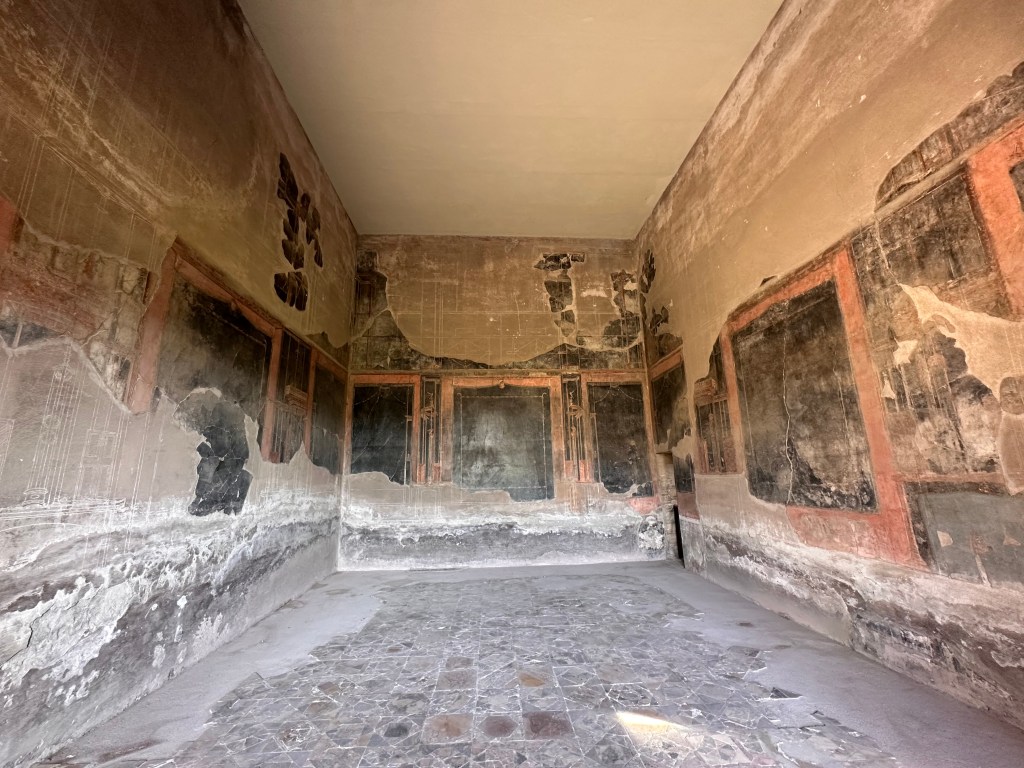
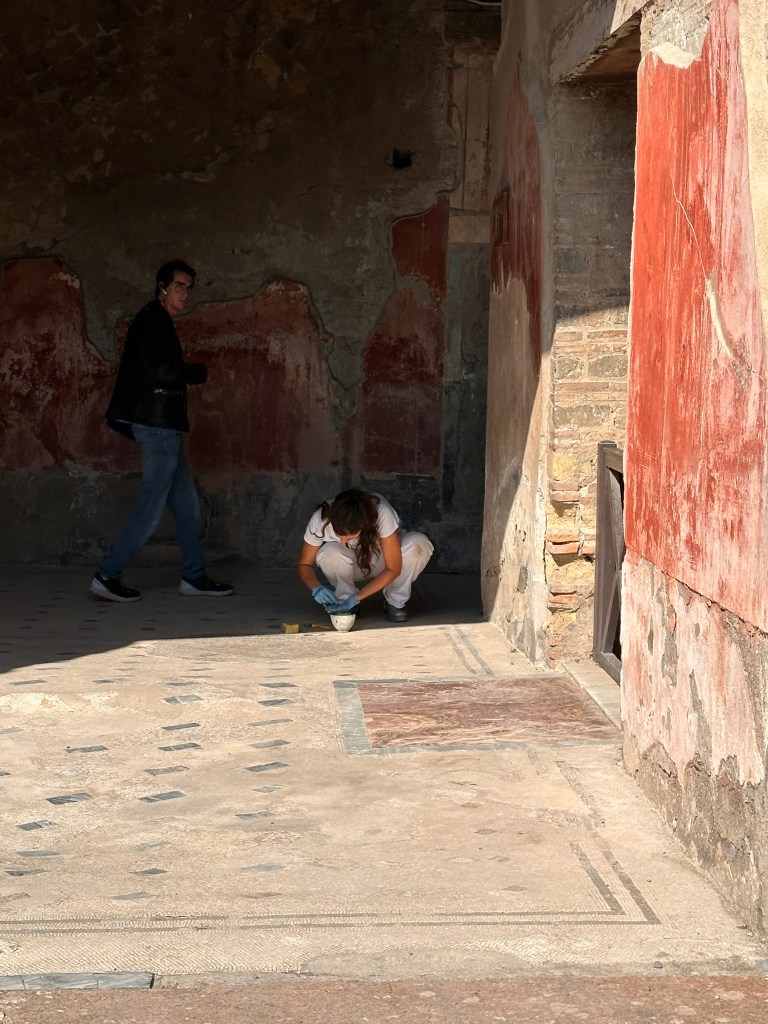
Life in Herculaneum thrived around its public spaces and the luxurious villas that dotted the town. The residents enjoyed the comforts of advanced infrastructure, including an aqueduct system that brought fresh water into the town. Bathhouses, markets, and temples were integral parts of Herculaneum’s social structure, where citizens gathered to socialize, trade, and worship.
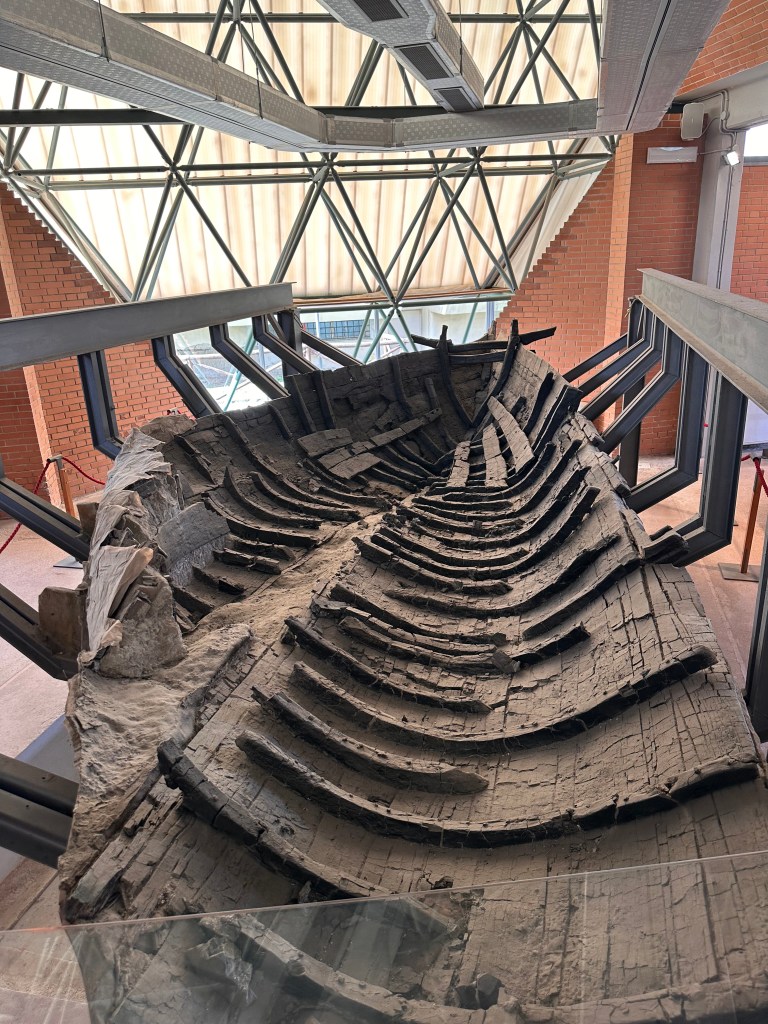
Unlike Pompeii, where structures often fell victim to time and exposure, Herculaneum’s buildings, art, and even wooden elements—like furniture and doors—were preserved beneath layers of volcanic material. This preservation provides us today with a rare view into daily Roman life, as delicate artifacts that would have disintegrated elsewhere remain intact in Herculaneum.

A Tale of Two Cities
While Pompeii has gained fame as a bustling commercial hub, Herculaneum was the quieter, more exclusive destination. Where Pompeii was populated by traders and bustling markets, Herculaneum was a town of opulence, with architecture that highlighted elegance over utility. For years, Herculaneum was less publicized, overshadowed by Pompeii’s larger ruins and the ease of access, but to historians and archaeologists, Herculaneum provides unparalleled insights.
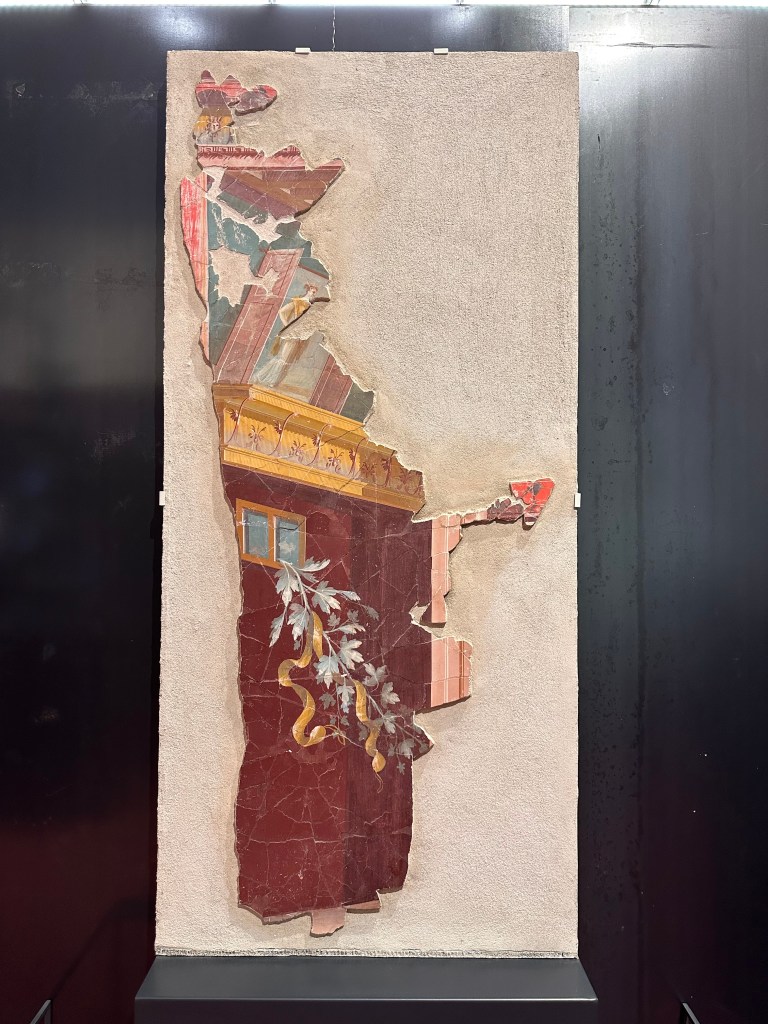
The preservation of organic materials in Herculaneum—wooden beams, papyrus scrolls, and frescoes—distinguishes it from Pompeii, allowing historians to reconstruct details of ancient life that would otherwise be lost. In fact, the remains found in Herculaneum are among the best-preserved artifacts from the ancient Roman world, giving us a clearer, more intimate view of Roman artistry, domestic life, and social customs.

A Jewel in the Bay of Naples
The town of Herculaneum was a key part of the region surrounding Naples, benefiting from its proximity to this major port city. Naples was a bustling trade center with routes that extended throughout the Mediterranean, and Herculaneum played its part as a complementary settlement. Wealth flowed from Naples to Herculaneum, bolstering its affluence and status. This connection to Naples positioned Herculaneum within the broader economic and cultural landscape of the Roman Empire, linking it to trade routes that carried goods, art, and ideas.
 All Around The World