
The Day the Sky Turned Black
In the year 79 AD, life in Herculaneum unfolded as usual. People went about their daily routines—bathing in the public baths, preparing meals, and enjoying the beauty of their coastal town. Yet, as Mount Vesuvius loomed quietly in the background, few could have anticipated the devastation it would soon unleash. This part of Herculaneum’s story takes us into those final hours, capturing the anticipation, terror, and ultimate tragedy that would shape the town’s legacy.
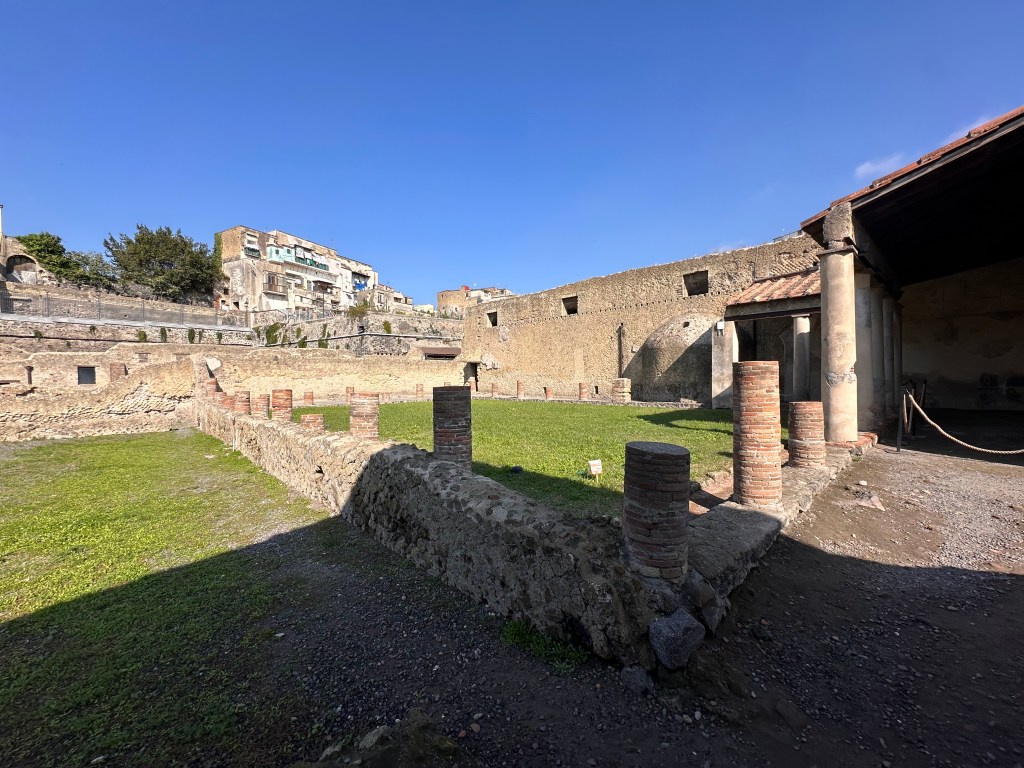
The Days Leading Up to the Eruption
In the days before the eruption, the people of Herculaneum likely noticed signs of seismic activity. While minor earthquakes were not unusual in the region, these tremors were different—stronger, more persistent, and foreboding. The air may have felt heavier, the sea unusually calm, as though the very elements held their breath. But without a concept of volcanic eruptions as we understand them today, the citizens had no real way of understanding or preparing for what was coming.
As the hours passed, tremors intensified. Those who ventured toward Pompeii might have noticed strange happenings in the skies. In time, an enormous cloud began to form above Vesuvius—a column of smoke that rose miles into the air, spreading like a vast canopy, blocking out the sun and casting a shadow across the landscape.
The Eruption: Herculaneum Engulfed
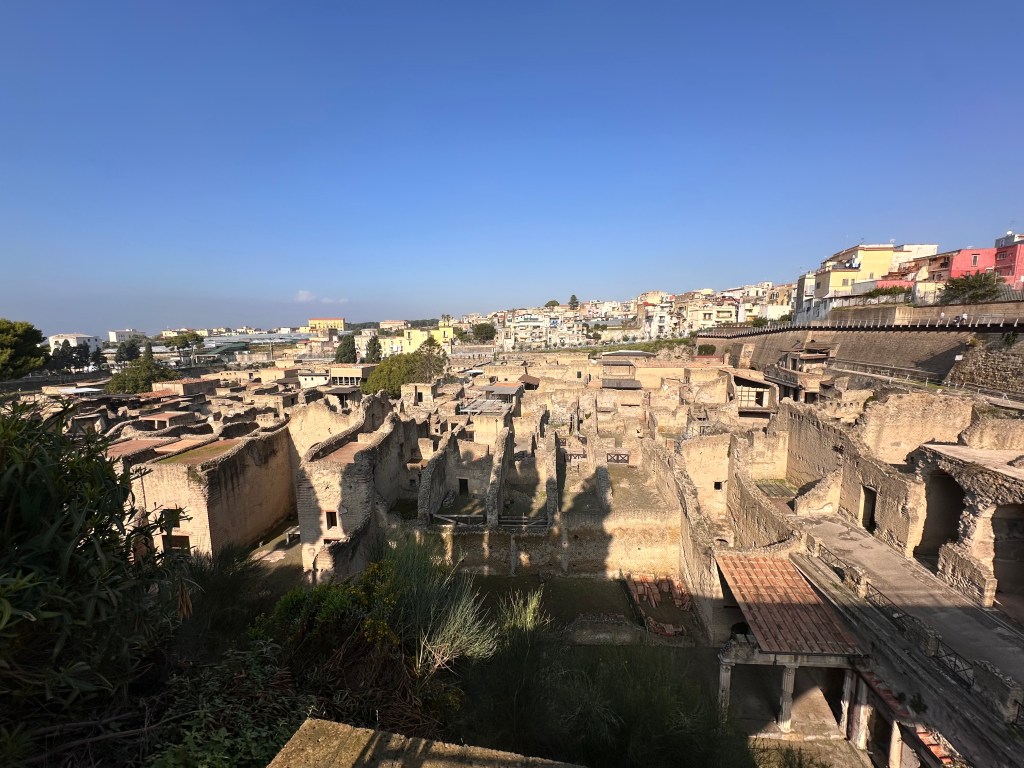
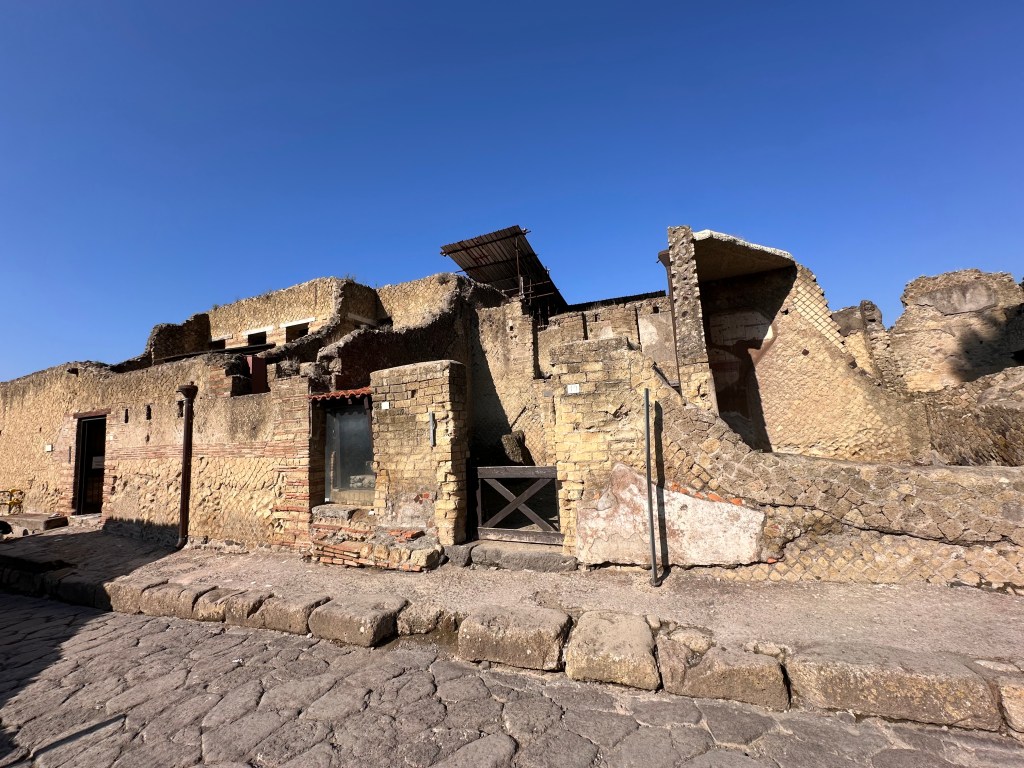
When Vesuvius finally erupted, the sheer force sent molten rock, ash, and toxic gases pouring into the air. While Pompeii was buried under a rain of ash, Herculaneum’s fate was uniquely tragic. The town’s position closer to the volcano meant it was hit by the pyroclastic surges—avalanches of scorching gases and volcanic material that reached temperatures exceeding 500 degrees Celsius.
These pyroclastic flows surged down the mountain with incredible speed, overtaking the town and entombing its people and structures in waves of superheated material. Unlike the slower buildup of ash in Pompeii, the people of Herculaneum had mere minutes. Many fled toward the shoreline, hoping to escape by boat or find shelter in the cavernous boathouses near the beach.

Lives Frozen in Time
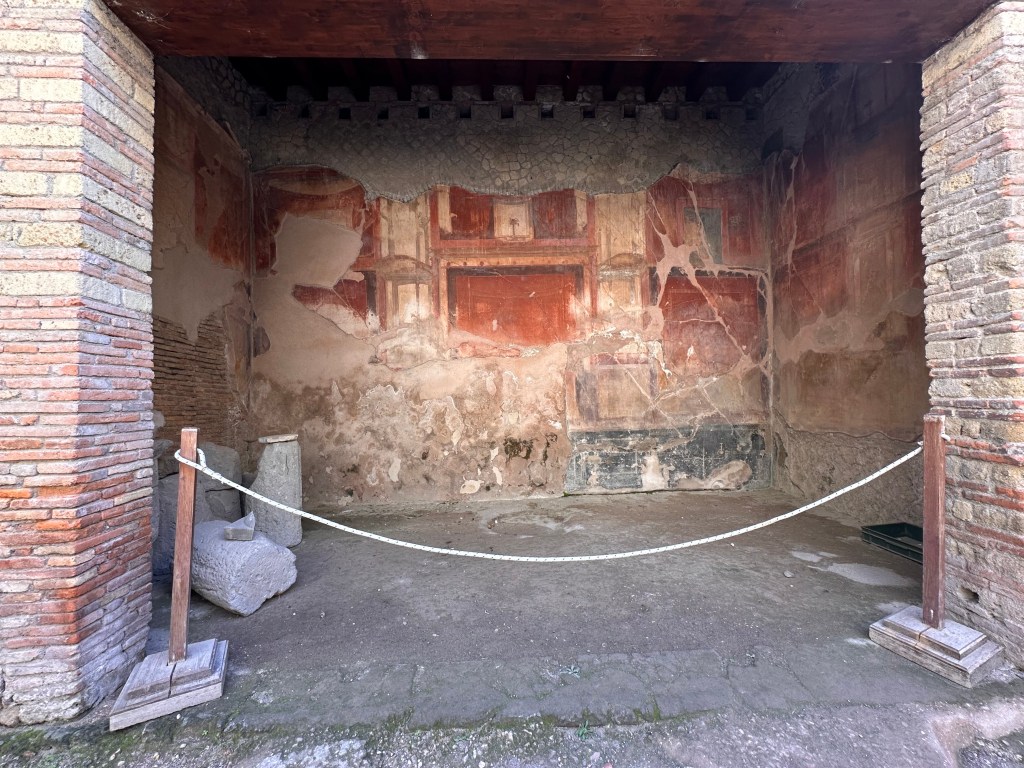
The most haunting discovery in Herculaneum remains the skeletons found along the shoreline. Here, in a desperate attempt to escape, families, slaves, soldiers, and merchants sought shelter in the stone boathouses, huddled together in hopes of rescue. But instead of salvation, they faced the oncoming pyroclastic flow. In an instant, the intense heat carbonized organic materials, preserving bodies, furniture, and even food items in their final moments.
The remains found in these boathouses reveal the human impact of the eruption in chilling detail. Archaeologists uncovered not only bones but also remnants of clothing, jewelry, and tools—personal items that connect us to the lives that were lived and lost in those last moments. The wealthier inhabitants still wore their gold rings and amulets, while others clutched possessions or sheltered children, emphasizing the shared human response to a disaster beyond comprehension.



A Town Frozen Beneath Ash and Mud
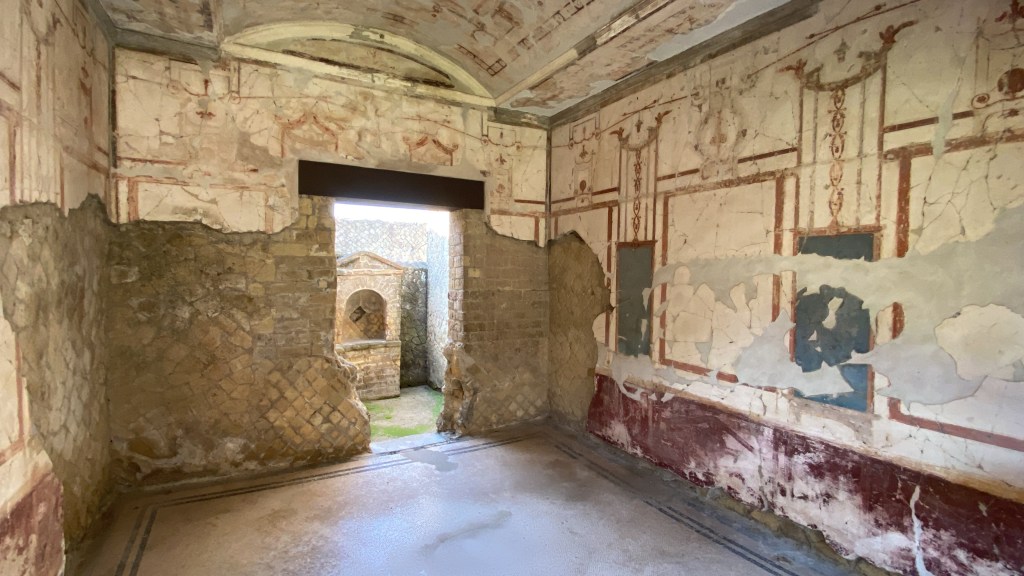
Following the eruption, layers of volcanic material buried Herculaneum, sealing it away from the world. Over time, heavy rains turned the ash into a hardened rock layer, encasing the town under nearly 20 meters of solidified material. Unlike Pompeii, where roofs and walls collapsed under the ash, Herculaneum’s structures remained remarkably intact, shielded from air and moisture, preserved as if caught in a time capsule.
For centuries, Herculaneum lay hidden, its memory erased by time and nature’s wrath. But within the layers of volcanic rock, treasures remained—frescoes, wooden artifacts, and the remains of a vibrant town. The aftermath left a site of unparalleled archaeological importance, and today, the remnants of those final hours serve as a poignant reminder of the raw power of nature and the vulnerability of human life.


 All Around The World