
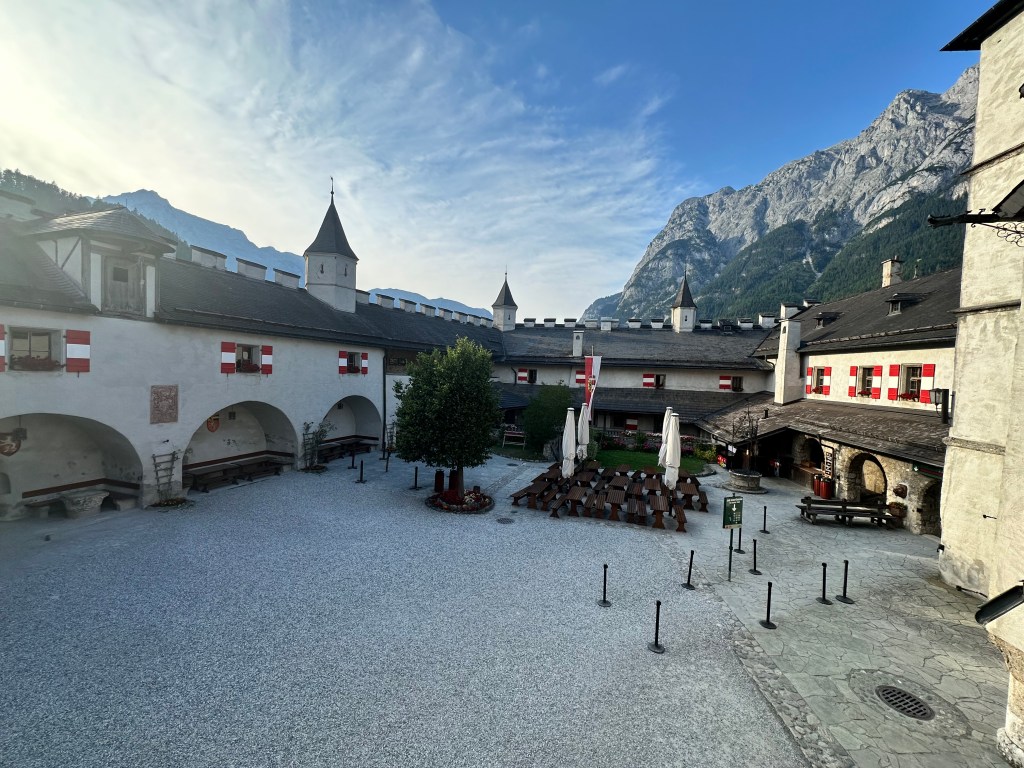
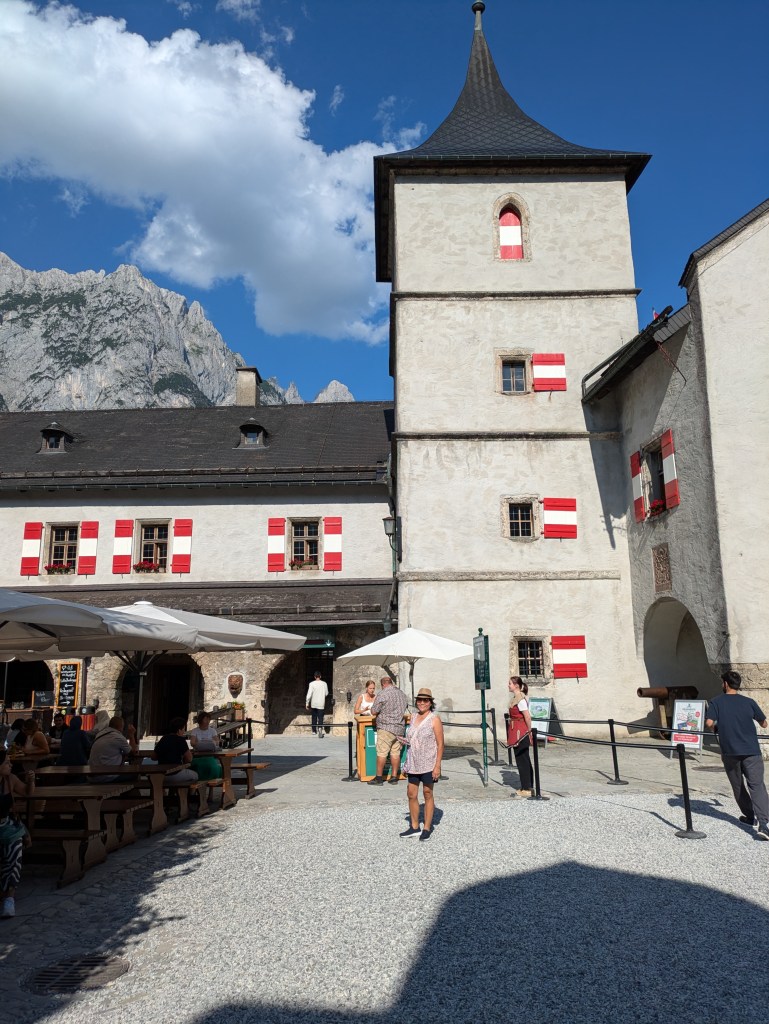
Last spring, Rashid, Simone, Zak, and I ventured into the heart of the Austrian Alps, where ancient legends whisper through the valleys and shadows dance upon castle walls. Our destination: the formidable Hohenwerfen Castle, perched high above the Salzach Valley. This 900-year-old fortress, with its storied past of sieges and falconry, was hosting a special exhibition on witchcraft—a theme deeply entwined with the region’s history.
The exhibition delved into the dark chapters of the Alps, where fear and superstition once led to tragic witch trials. In the 16th century, areas like Val Camonica in Italy witnessed mass persecutions, with dozens accused of causing plagues and storms through sorcery . Similarly, in South Tyrol, the infamous Leonhard von Völs ordered the execution of nine women, blaming them for high infant mortality rates.


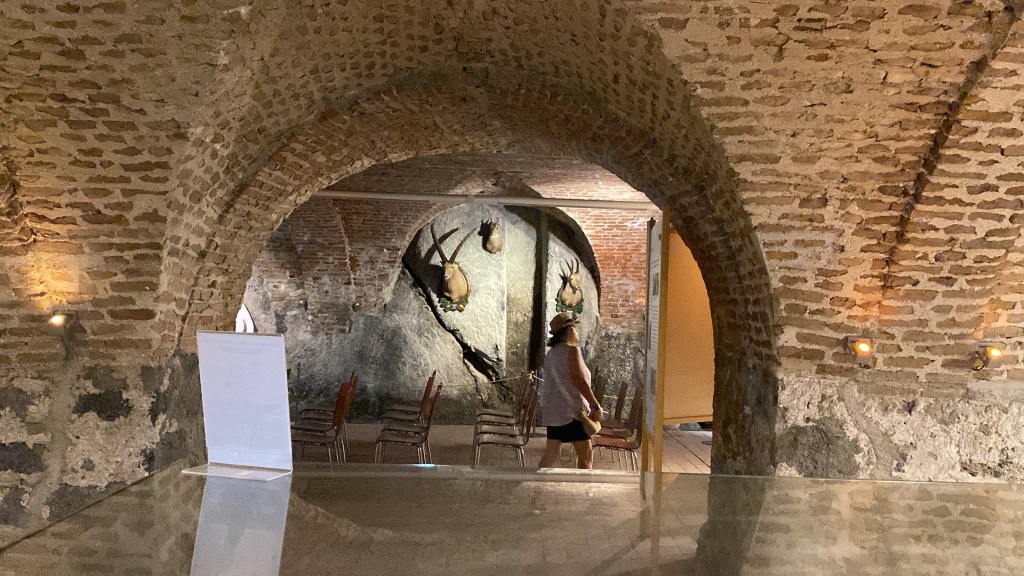
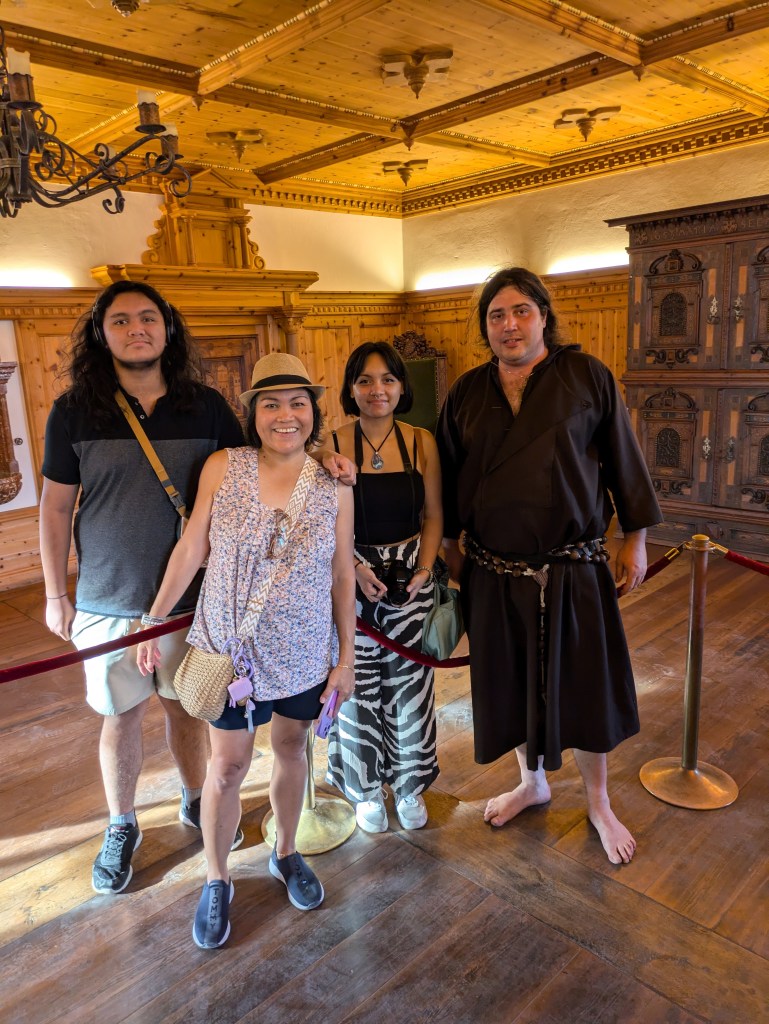
Beyond the grim history, the exhibition also celebrated the rich tapestry of Alpine folklore. We learned about the Benandanti of Friuli, Italy—visionaries who claimed to battle witches in their dreams to protect their communities (Wikipedia). These tales, blending pagan traditions with local beliefs, offered a fascinating glimpse into the region’s cultural psyche.
As we explored the castle’s stone corridors, the myths of the Alps came alive. The stories of Krampus, the horned figure who punishes naughty children during the Christmas season, and the Perchten, masked spirits from midwinter festivals, added layers of intrigue to our journey. These legends, still celebrated in local festivals, highlight the enduring power of folklore in shaping cultural identity.
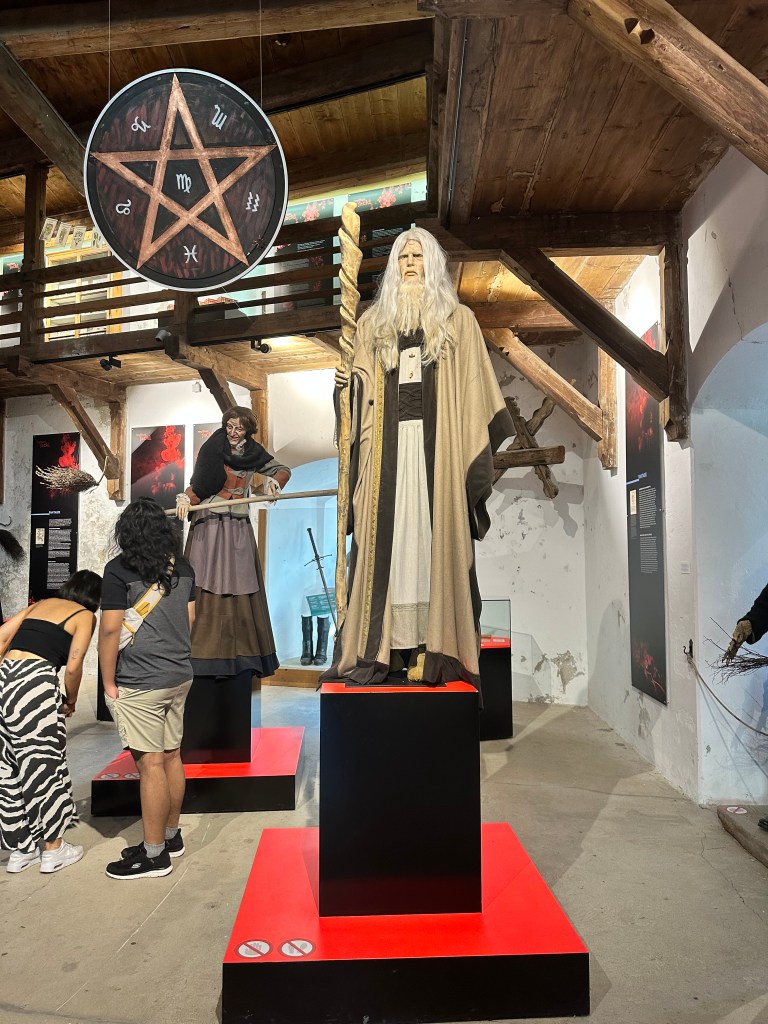
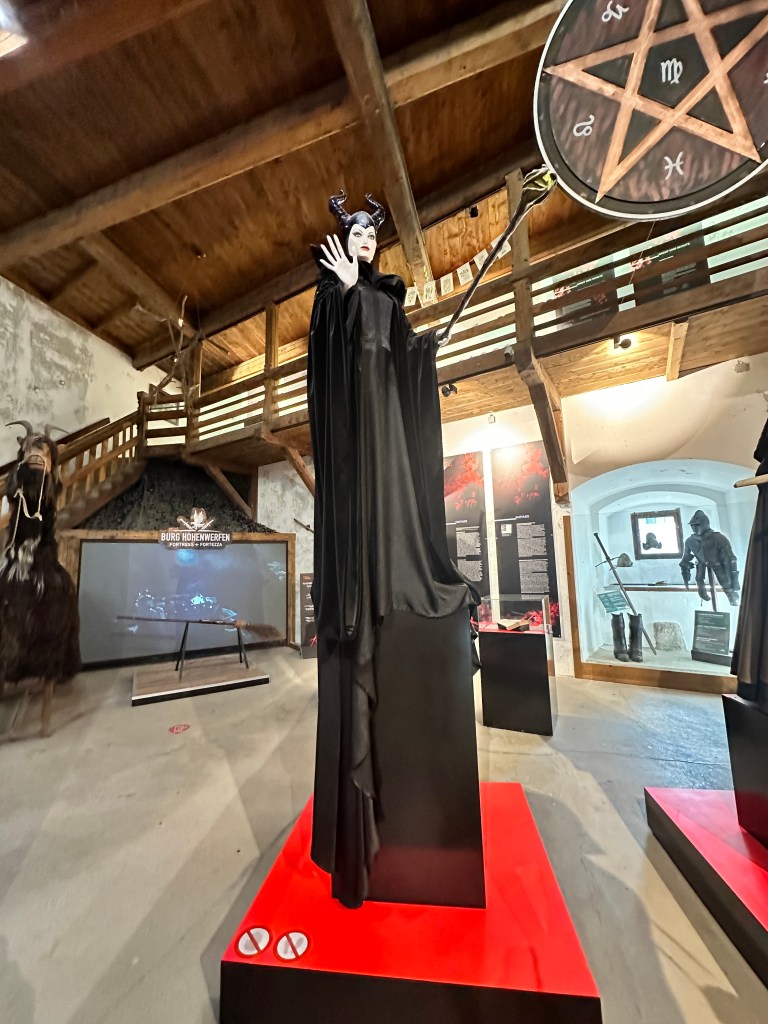

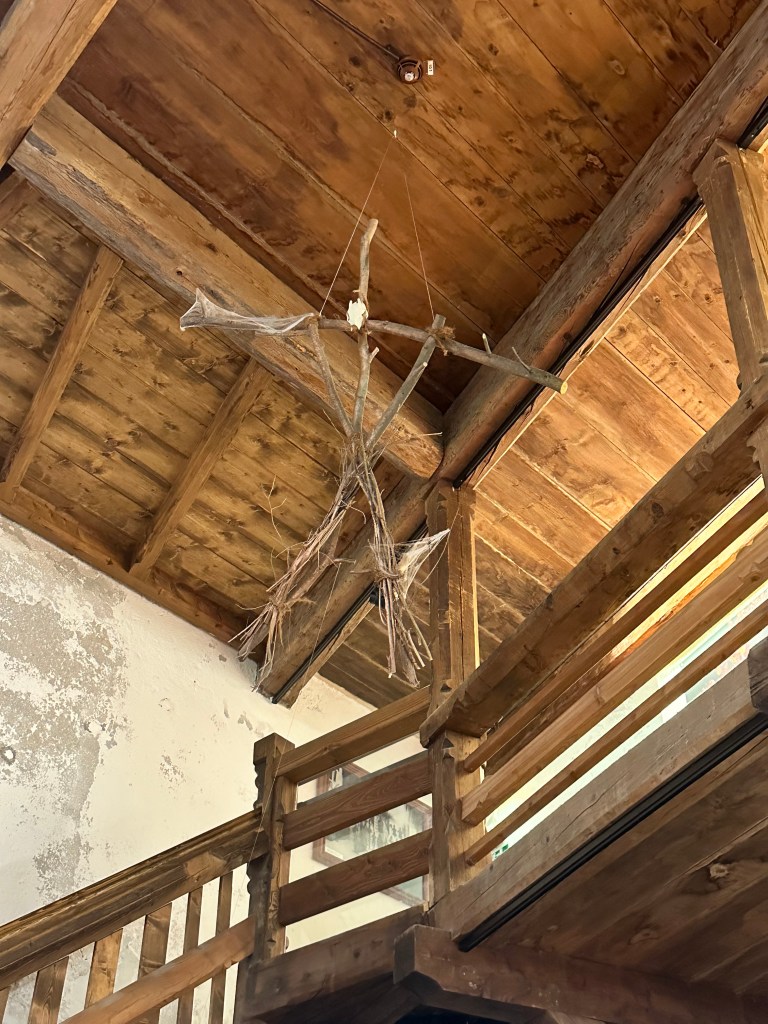
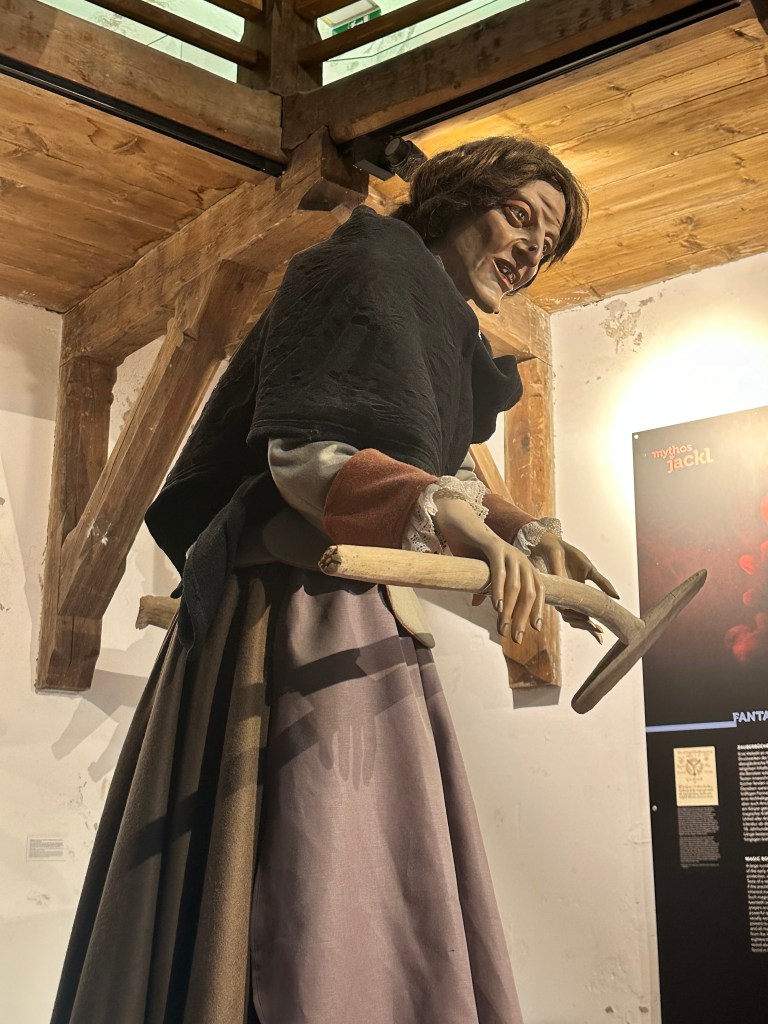
Our visit to Hohenwerfen was more than a historical tour; it was a journey through the mystical and the macabre, a reminder of how stories from the past continue to resonate today. As we left the castle, the tales of witches, spirits, and mythical creatures lingered, echoing through the mountains and into our imaginations.
 All Around The World