
A Three-Day Dispatch from Provence
Day 1: Lacoste — Where Memory Wears Linen

We arrived in Lacoste just before noon. The air was lavender-laced and stubbornly warm, the kind of heat that settles behind your knees and doesn’t apologize for it. The village unfurled in soft, honey-colored stone, as if someone had built a town out of parchment.
Glenda, of course, arrived dressed in cream linen—flowing, elegant, impractical. Her shoes were optimistic. So was her mood.
Lacoste, for her, wasn’t just another village in Provence. She went to SCAD, and this town—with its satellite campus and centuries of aesthetic judgment—meant something. There was a spark in her that ignited when old passions meet old walls. She whispered, “I used to dream of coming here,” and I knew we weren’t just sightseeing—we were returning to something.
We started with the climb. Up the cobbled slope to the ruined château, once owned by the Marquis de Sade. The irony was not lost on either of us. Art students wandered about with sketchbooks and stylish ennui. Glenda nodded to them like a visiting duchess of the emotionally complex.
From the top, the view was relentless: fields in patchwork earth tones, poppies in scattered defiance, and that long stretch of sky that makes you remember things you thought you’d outgrown. She stared. I let her.
We descended in silence. Not the awkward kind—the kind stitched with reverence.
Later, we sat at a café tucked into a stone alcove. She ordered a tarte fine aux tomates. It arrived as a poetic triangle of pastry, tomato, and pride. She said, “I feel seen.”
We spent the afternoon in an art bookshop, flipping through thick pages and heavier thoughts. Glenda found a book on minimalist sketching. She clutched it like something holy. She didn’t buy it. “Too much,” she said. But I saw her fingertips linger.
At sunset, we sat on a low wall. The pigeons observed us. Glenda pulled out a notebook and wrote something she wouldn’t read aloud.
That night, she fell asleep with lavender oil on her wrists and a look on her face like she’d remembered who she was trying to become.
Day 2: Arles & Nîmes — Shadows and Sunstroke

The morning train hummed like a secret, carrying us toward Arles under a pale blue sky already too bright.
Glenda wore a wide-brimmed hat and linen culottes she claimed were “effortless.” They were not. But they did survive the heat better than her expectations.
In Arles, everything glowed a little too hard. The sun bounced off the stones like it had something to prove. We walked slowly, as if pacing ourselves through someone else’s memory. Van Gogh’s, perhaps. Or maybe Glenda’s, from a college lecture she’d only half-listened to but deeply romanticized.
She stopped at the Fondation Vincent van Gogh, and we went inside. The space was calm, reverent, but alive with color and intention. Glenda stood in front of one particular canvas for a long time, unmoving.
“It makes me ache,” she said, eventually. I said nothing. What is there to say when someone recognizes their own turmoil in a brushstroke?
We spent time with the art, not rushing. She took notes in her phone, then slipped it away like a secret.
In the gift shop, she picked up three postcards, a pencil, and a tote bag she neither needed nor resisted.
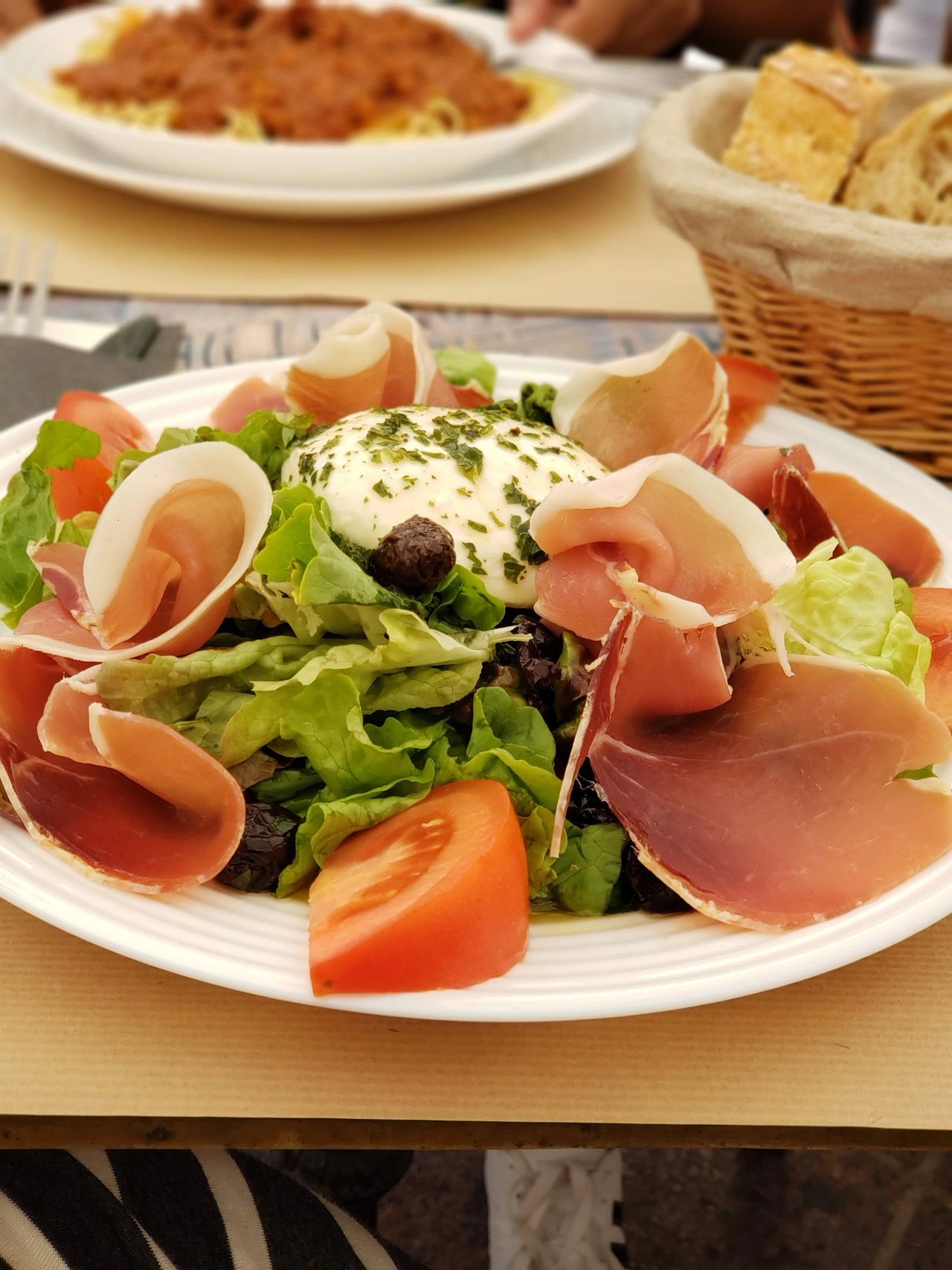
We lunched in the shadow of the arena. She ordered rosé and a salad that was mostly arrangement. She sighed. I called it progress.
Nîmes came later, hotter and older.
We entered the amphitheatre in near silence. Not out of reverence—but heat-induced humility. Glenda squinted at the stone steps and said, “Do we have to climb it?” I said, “We already did. Emotionally.”
We climbed anyway.
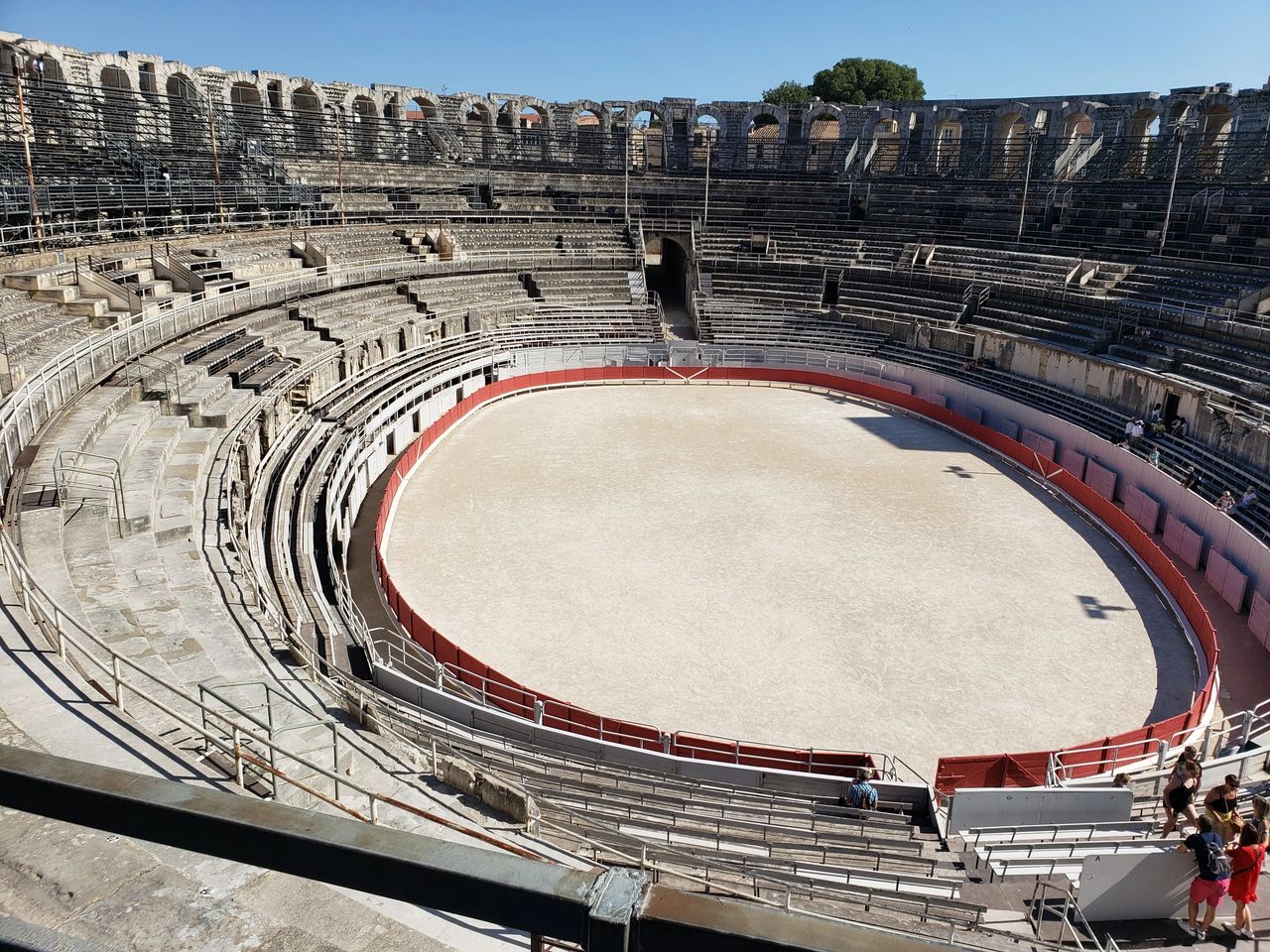
At the top, we stood in wind and sun and sweat. The city stretched below us in neat terracotta rooftops and long shadows.
Glenda looked out over the old stones, placed a hand over her chest, and whispered, “Why does it feel like grief?”
Because it’s ancient, I thought. And because you brought yourself here.
She didn’t take many photos. But she wrote something in her phone’s Notes app that she later pretended was a grocery list.
Day 3: Avignon — Dancing on Stone, Thinking in Lavender

By the third day, we’d stopped pretending we weren’t transformed. Not dramatically, not cinematically—but slowly, the way stone wears into softness.
We walked to the bridge in Avignon early, before the crowds, before the music.
Glenda stepped onto the Pont Saint-Bénézet and froze. Not with fear. With a kind of quiet reverence.
She twirled. Not dramatically. Just once, half-heartedly, like she needed to. Then she laughed. Not at herself—but for surviving herself.
We toured the Palais des Papes. I watched her fingers trace the grooves in the stone walls, like she was trying to learn the language of time.
For lunch, we chose a restaurant with an awning and a view of the Rhône. She ordered escargot and didn’t flinch. “I’ve had worse,” she said. I raised my glass.
We wandered through a market. She bought dried lavender, a bar of soap, and a watercolor print she said reminded her of something she dreamed once.
That afternoon, we sat in a square. She wore sunglasses and wrote postcards she may never send.
The sky was lilac and gold by dinner. She didn’t say much, but she smiled like someone who understood why she came, even if she couldn’t explain it.
On the train the next morning, she looked out the window and said, “Next time, we stay longer.”
Of course we will.
Because Provence doesn’t give you everything. It gives you just enough to return.
 All Around The World