
Getting There
When you think of Arizona, the first thing that comes to mind is probably the Grand Canyon. And yes—it’s as jaw-dropping as the postcards promise. But let me tell you, the drive there from Sedona is already its own adventure. You climb more than 3,000 feet through Oak Creek Canyon, hairpin turns and all. I lost count of how many times I grabbed the car door handle (LOL!) while the red cliffs towered outside. At Oak Creek Vista we stopped, caught our breath, and looked back—Sedona glowing red behind us, Flagstaff’s cool alpine air waiting ahead. It felt like crossing from one world into another.
First Impressions
The Canyon itself is mind-bending: 277 miles long, up to 18 miles wide, and over a mile deep. Millions of years of Colorado River carving left behind this enormous “rock diary” of oceans, deserts, and rivers long gone. Honestly, how do you even take a picture of something that doesn’t fit into your frame? You just stand there, blinking, trying to take it all in.
Where to Start
Most people enter through the South Entrance near Tusayan. That’s where we headed, too. The first real glimpse? Mather Point. And wow—the air just stopped in my chest. The canyon drops away in a giant tapestry of reds, golds, and shadows, the Colorado glinting like a silver thread far below. Everyone around us went quiet, like we’d walked into church. A little kid whispered, “It looks fake,” and honestly? Same.
TIP: Go at sunrise if you can. The colors shift every minute—violet, rose, gold—and you’ll have fewer crowds elbowing for that perfect shot.
Grand Canyon Village
This is where history and practicality collide. You’ve got El Tovar Hotel, which has been welcoming everyone from presidents to poets since 1905. Right next door is Kolb Studio, founded by two brothers who once dangled giant cameras over the cliffs in the early 1900s just to capture the canyon. (Crazy? Brave? Both.) Their photos are still on display inside. For today’s traveler, the Village also means coffee, snacks, and a chance to rest your legs.
Walking the Rim
We decided to take the Rim Trail, which stretches more than 13 miles along the South Rim. It’s mostly flat, some paved, some not, and the views change constantly. You think, “This overlook is the best one yet!”—and then you walk another hundred yards, and nope, the next one steals the crown. Hopi Point at sunset? Pure fire. Yavapai Point? Like a geology textbook opened just for you. Thankfully the park has shuttle buses, so you can hop off, wander, then get a lift back when your legs finally stage a rebellion.



The Silence
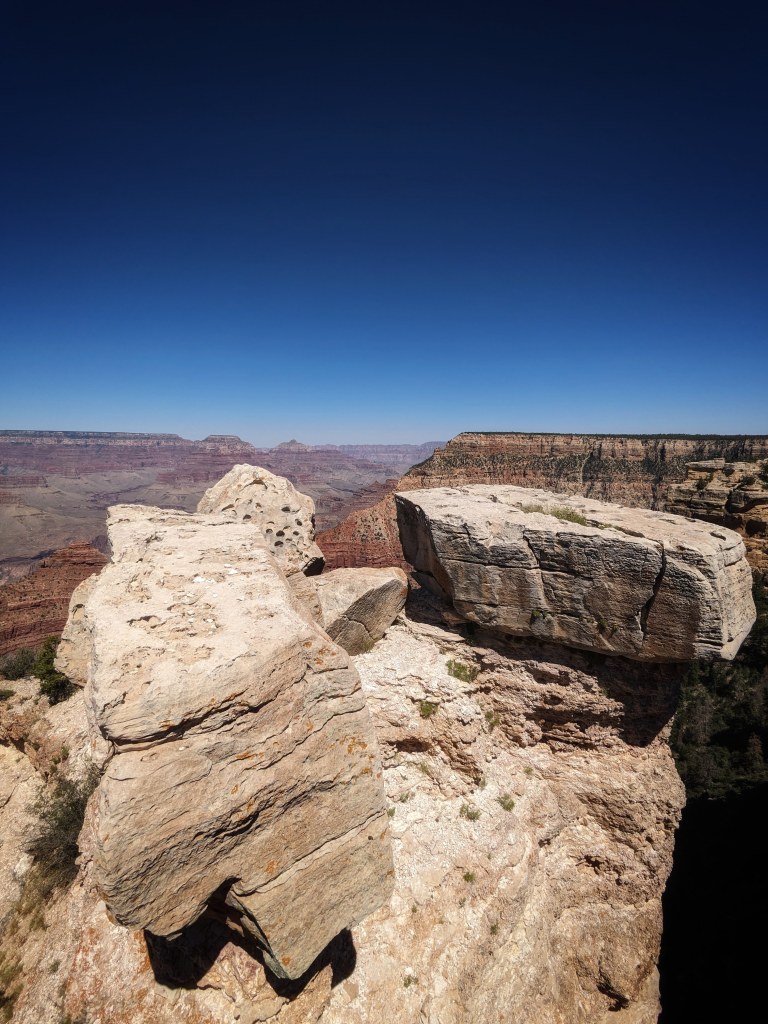
What surprised me most was the quiet. Even with people nearby, the canyon swallows sound. Standing at the edge, I felt grounded to the rock beneath my feet but also drifting across the ages carved into those cliffs. Awe and calm, all at once.
Heading Back
On the drive toward Sedona, the canyon faded into lavender and rose with the setting sun. Zak our ‘travel companion‘, was sleeping in the backseat like he’d hiked the whole Rim Trail himself. It was hard to leave, but the Canyon doesn’t really let you go. You carry it with you—something shifts inside, a space carved as wide and deep as the view itself.
This was only a brief tour, just a thread in the canyon’s vast story—but enough to change how I see both landscape and time.
 All Around The World