
There are places that suffer from being too beautiful for their own good. Hallstatt is one of them.
Pressed between mountain and lake, this small Austrian village has become a symbol—photographed, circulated, consumed. The problem is not admiration; it is volume. Hallstatt was built for centuries of miners, fishermen, and families, not for thousands of visitors arriving at once, cameras raised, schedules tight.
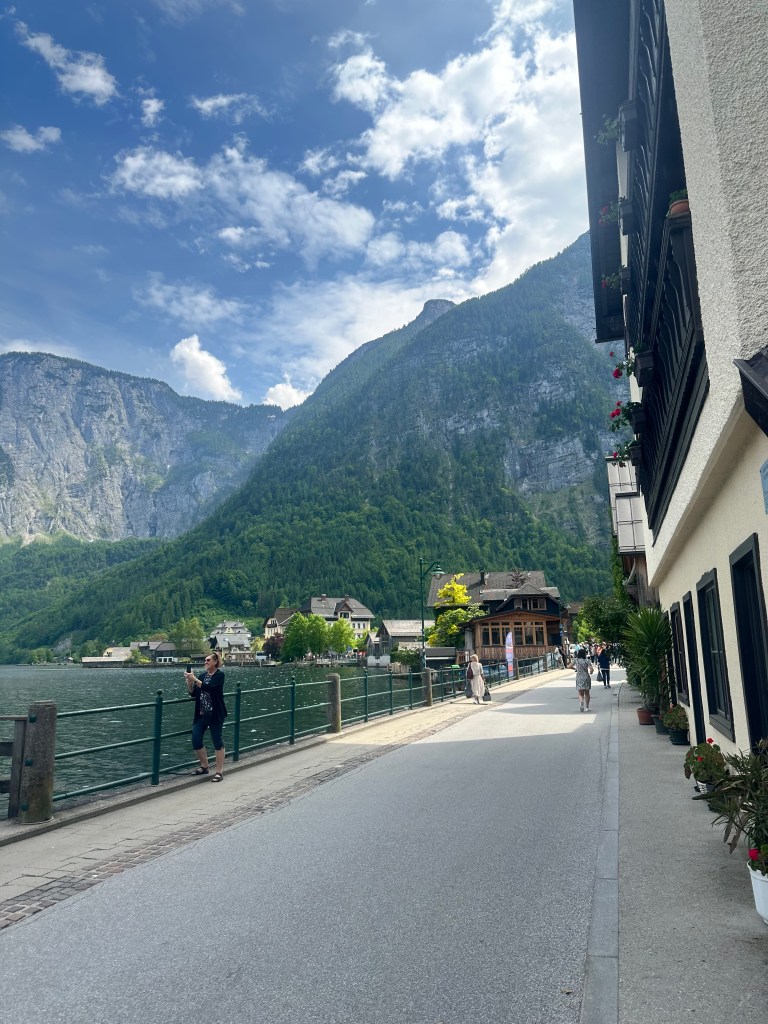
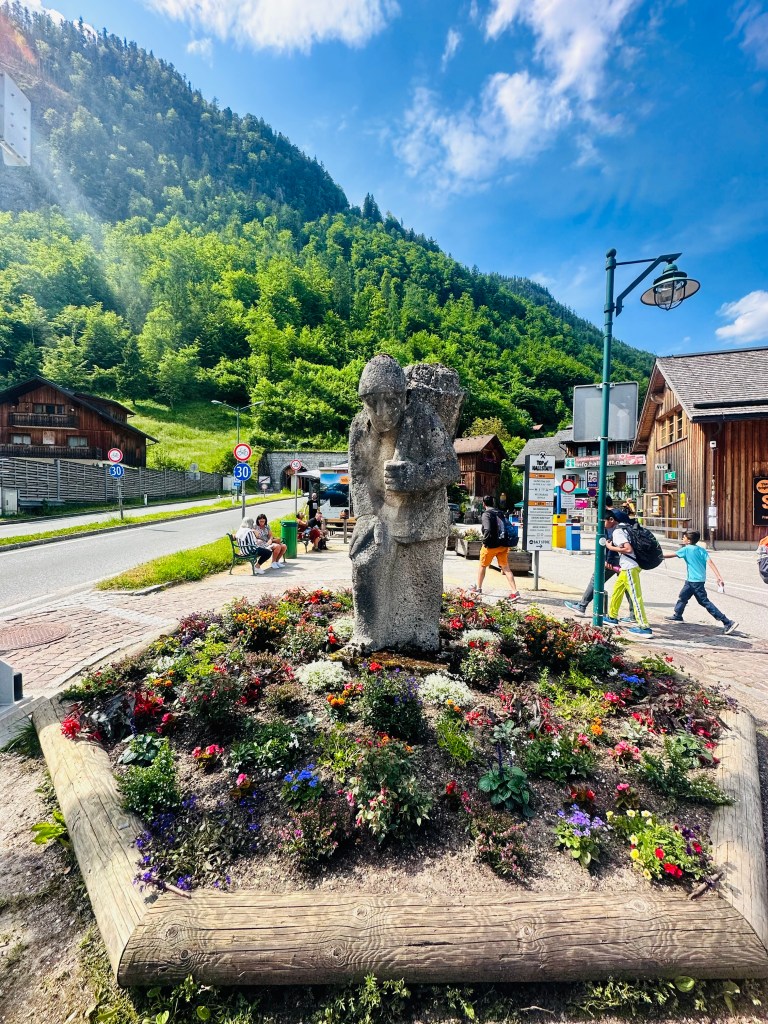
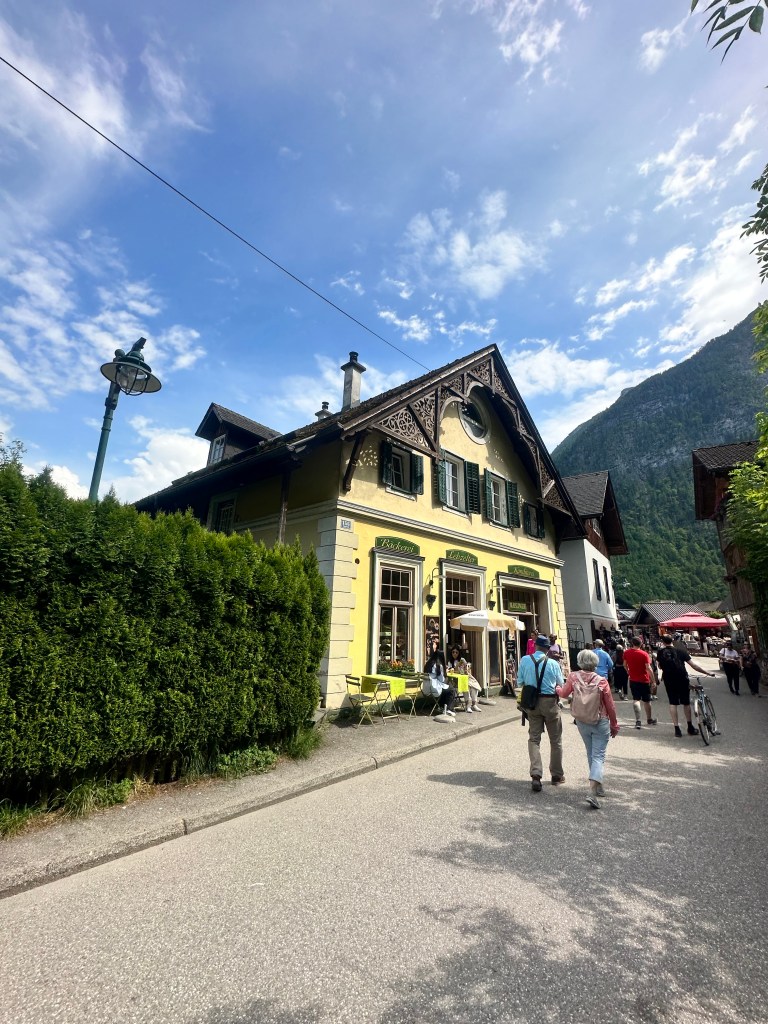
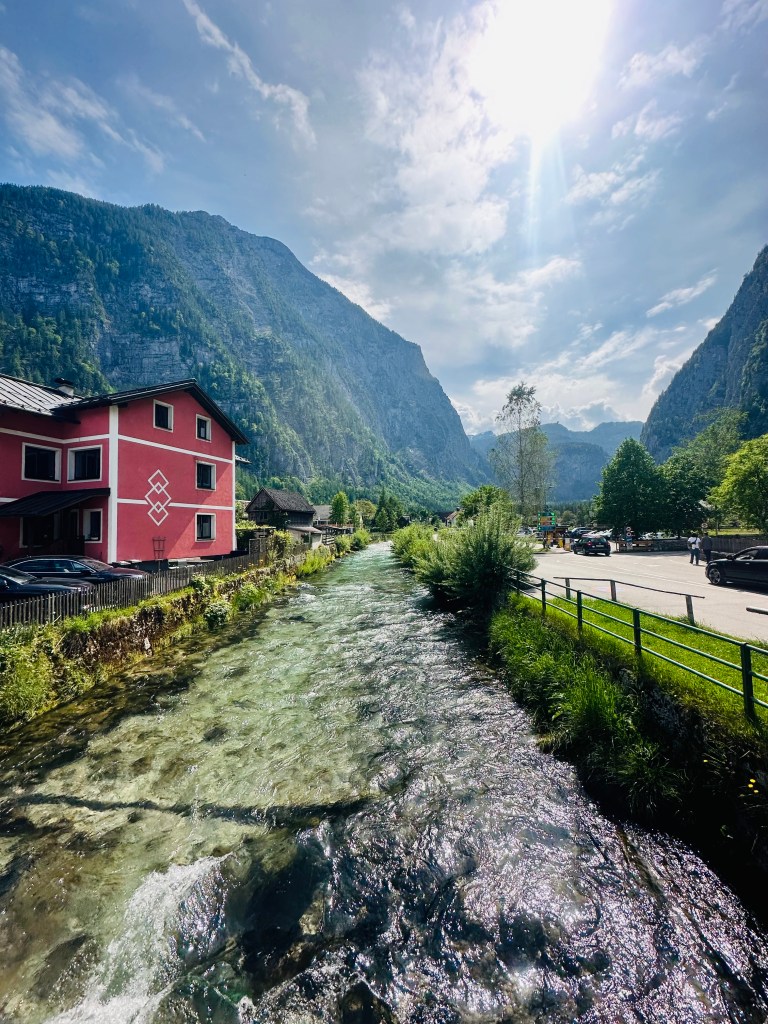
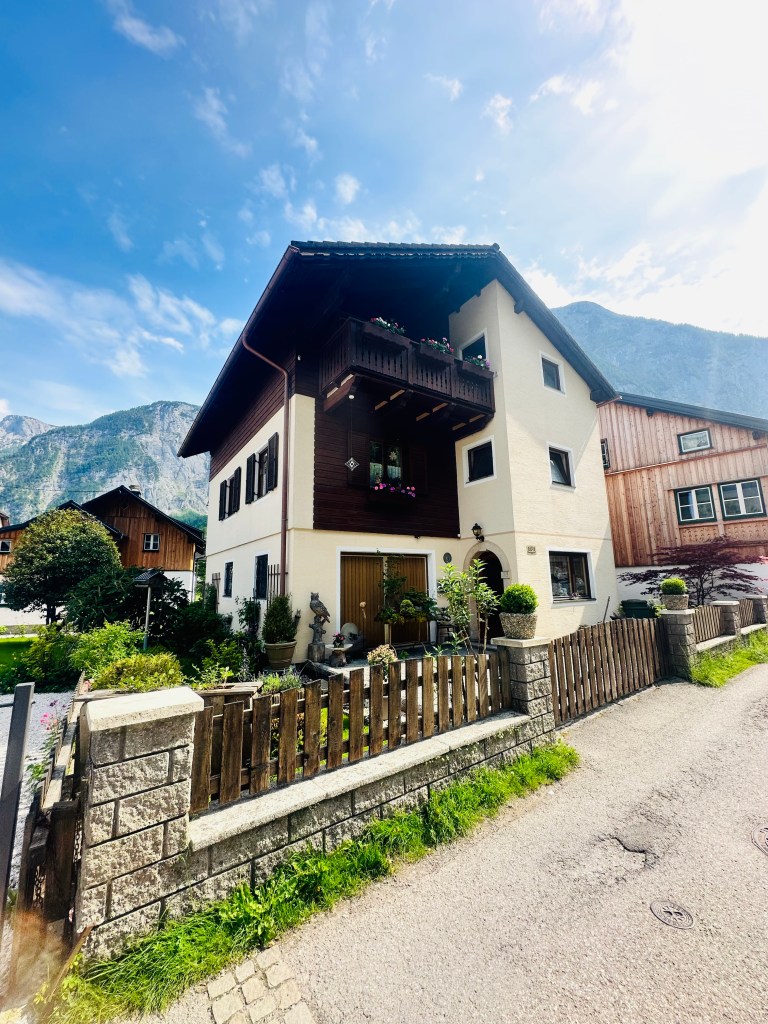
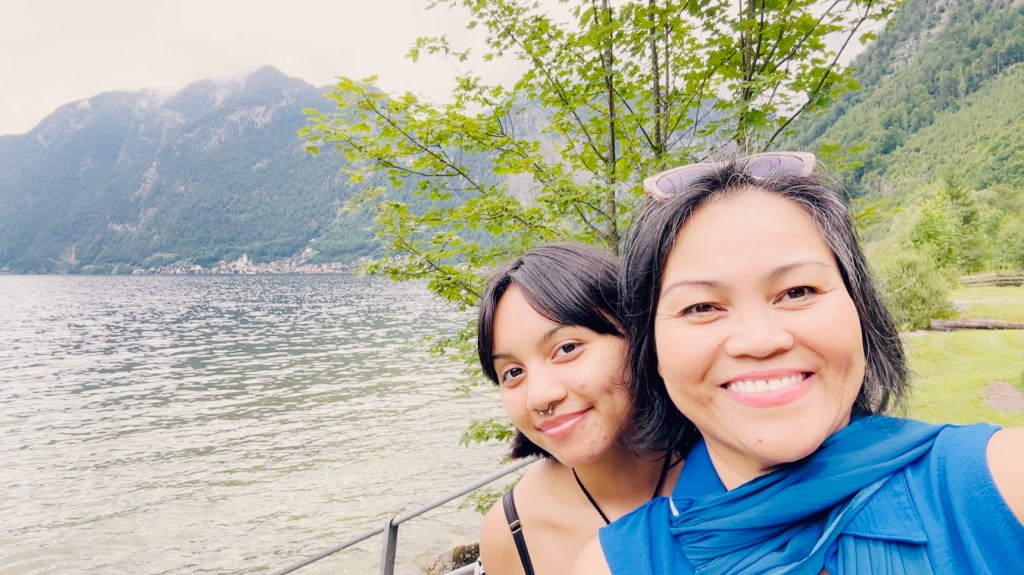
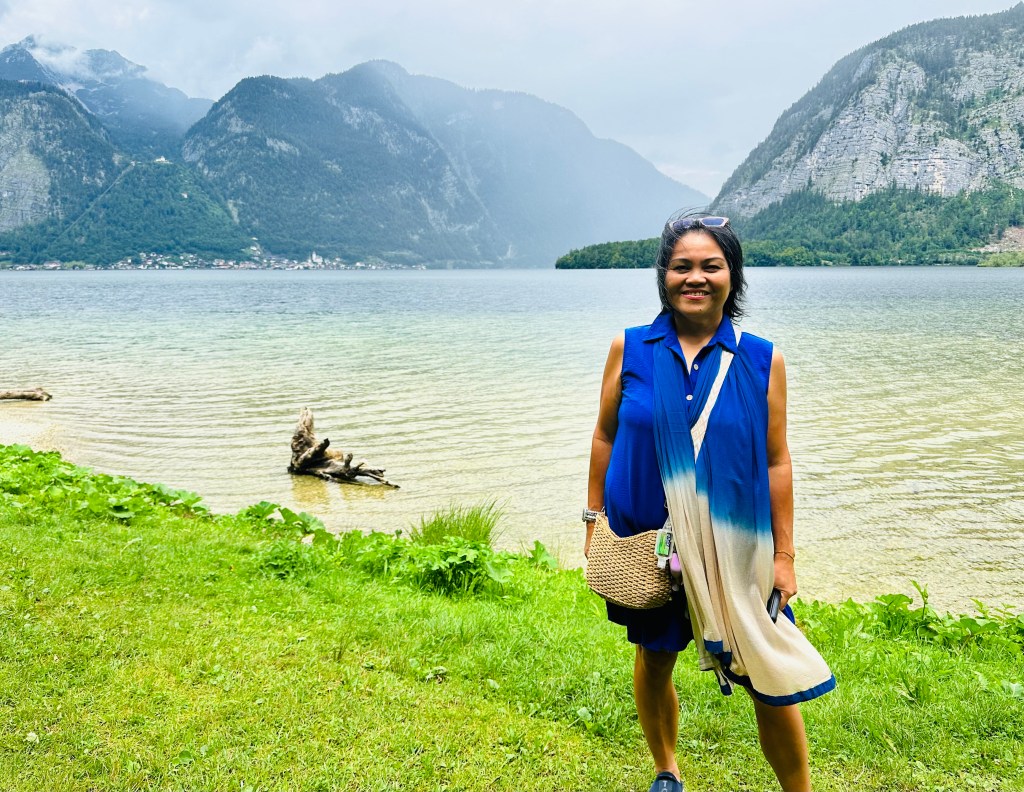
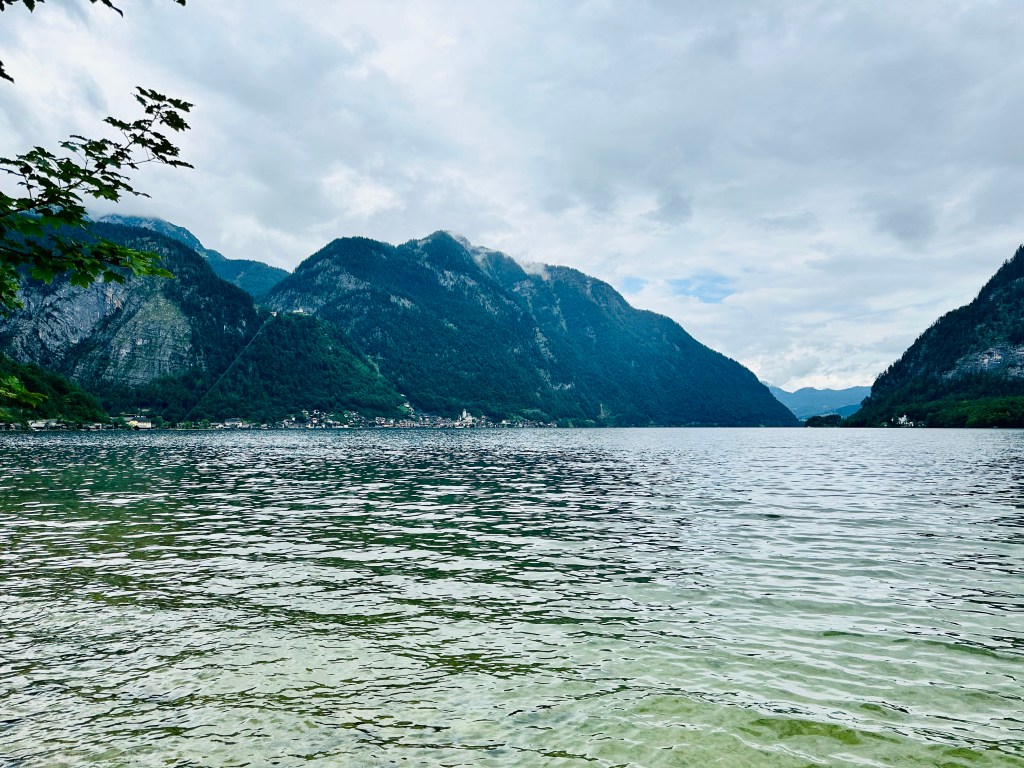
I have visited Hallstatt twice. The first time, I walked its lanes and climbed its heights. The second time, I did something far more revealing: I stayed away. My daughter and I watched the village from across the lake, quiet and intact, and understood something essential—Hallstatt does not need to be entered to be appreciated.
This is not a guide to checking boxes. It is an invitation to visit Hallstatt with restraint, respect, and a sense of responsibility.
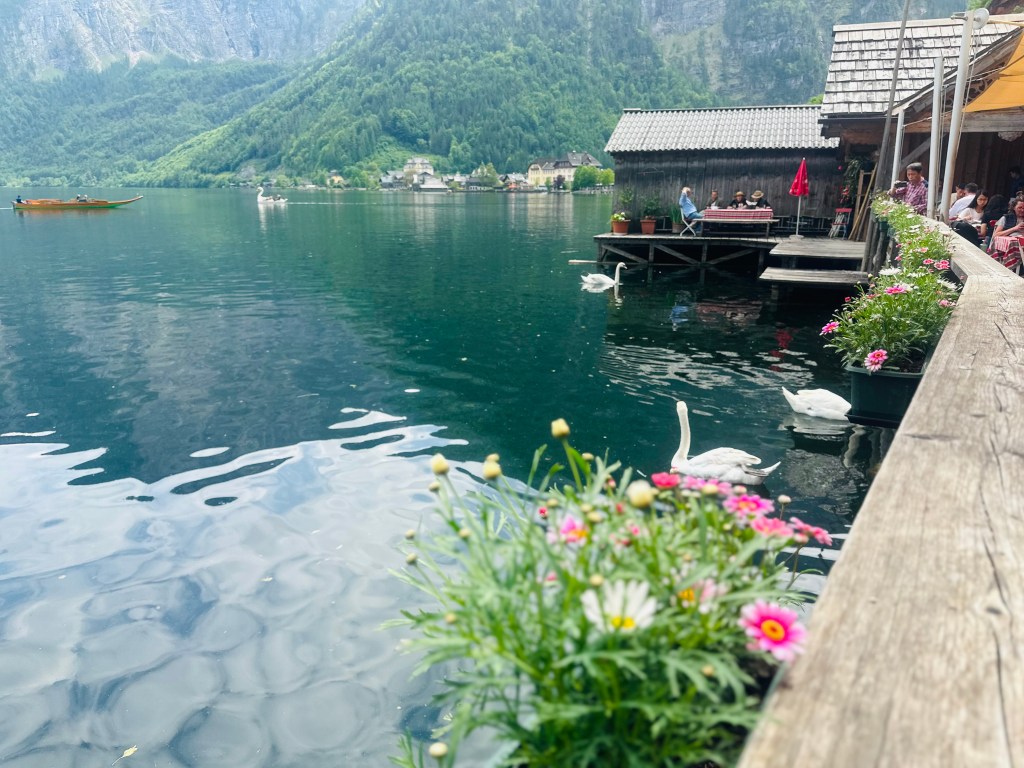
The Problem with Arriving All at Once
Hallstatt’s greatest strain is not tourism itself, but timing. Most visitors arrive mid-morning to early afternoon, funneled in by buses and day tours. Streets clog, residents retreat indoors, and the village becomes a corridor rather than a community.
Responsible travel here begins with a simple principle: do not arrive when everyone else does.
- Visit early morning or late afternoon.
- Better yet, stay overnight in the region rather than passing through.
- Avoid weekends and peak summer days whenever possible.
Time, in Hallstatt, is the difference between communion and intrusion.
Consider Not Entering the Village at All
This may sound heretical, but it is often the most respectful choice.
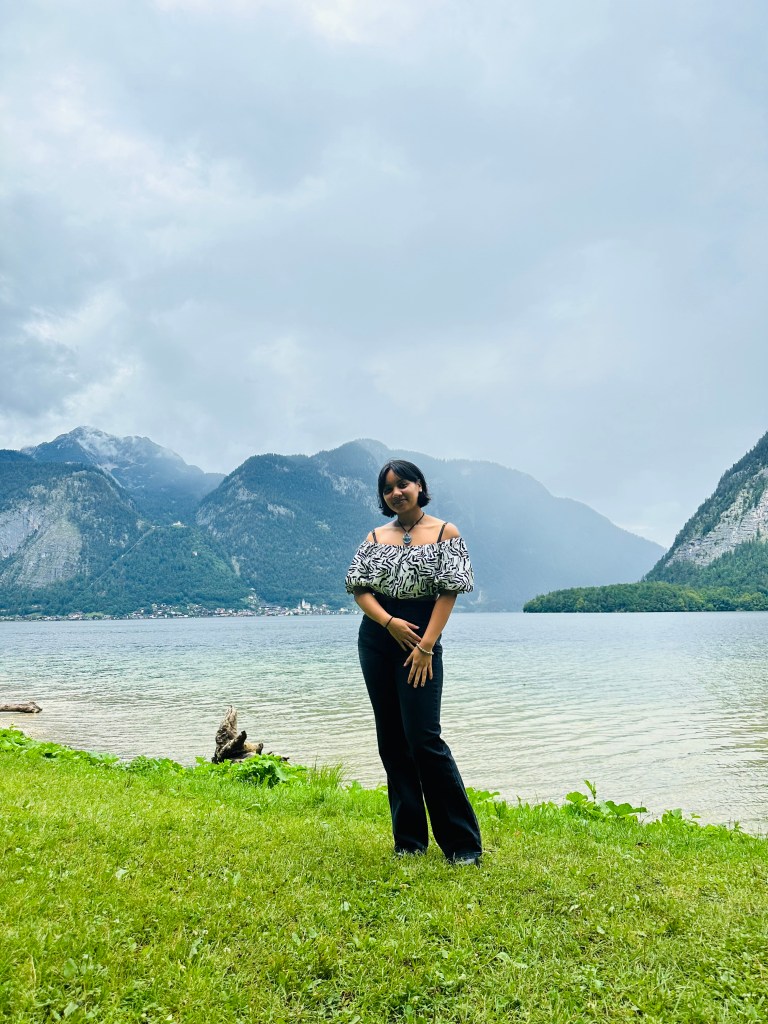
From across Lake Hallstatt—by ferry, shoreline path, or quiet lookout—you can take in the village as it was always meant to be seen: nestled, distant, composed. This perspective removes pressure from the narrow streets while still allowing you to experience its beauty.
On our second visit, my daughter and I did exactly this. We did not photograph ourselves in front of Hallstatt; we allowed Hallstatt to exist without us.
It was the most meaningful visit of all.
Spend Where It Matters
If you do go into the village, let your presence be supportive rather than extractive.
- Eat at locally owned cafés, even if the menu is simple.
- Buy fewer souvenirs, but choose items made in the region.
- Skip chains and mass-produced trinkets.
Hallstatt does not need more photos taken of it—it needs visitors who contribute quietly to its survival.
Walk Slowly, Speak Softly
This is not a theme park. People live here. Children go to school. Laundry dries on balconies. Windows open.
Responsible tourism is behavioral as much as logistical:
- Keep voices low.
- Do not block doorways or staircases for photographs.
- Avoid drones and intrusive equipment.
The village is small. Your courtesy—or lack of it—is immediately felt.
Look Beyond Hallstatt
One of the most effective ways to help Hallstatt is to broaden your itinerary.
The Salzkammergut region is rich with lakes, villages, and walking paths that receive a fraction of the attention. By spending time elsewhere—Obertraun, Bad Goisern, quieter lakeside paths—you reduce pressure on Hallstatt while deepening your experience of Austria.
Hallstatt does not need to be the centerpiece of your trip. It can be a quiet note within it.
A Final Thought
Hallstatt endures because it is real, not because it is famous.
To visit responsibly is to accept that you are a guest in someone else’s daily life. Sometimes that means arriving at dawn. Sometimes it means staying across the water. And sometimes it means leaving sooner than planned.
Hallstatt does not ask to be consumed. It asks to be seen—gently.
 All Around The World