
Lake Havasu, Arizona is often introduced with noise.
Spring breakers. Party boats. A reputation compressed into a few loud weekends and replayed endlessly. But reputations, like deserts, flatten under distance. What most people miss is that Lake Havasu is not a moment, it is a place. And a surprisingly beautiful one, especially when you arrive outside the spectacle.
I lived there once, long before the algorithms decided who Lake Havasu was allowed to be. I remember winters that bit sharply after sunset, mornings where the lake sat still and metallic, and a town that felt more like a frontier outpost than a festival flyer.
This is Lake Havasu seen between seasons – when it returns to itself.
When to Visit: Timing Is Everything
Lake Havasu is defined less by where it is than when you go.
Best Seasons
- Late October to March: Quiet, crisp, and unexpectedly elegant. Days are cool to mild, nights can be cold, and the lake regains its composure. Ideal for walking, photography, and simply being present.
- Early April: A brief shoulder season before the crowds arrive. Wildflowers begin to appear in the surrounding desert, and the town feels awake without being overwhelmed.
When to Think Twice
- Late spring through summer brings intense heat and the party reputation most visitors already know. It’s not that it’s wrong — it’s simply not the Lake Havasu most worth knowing.
Winter, in particular, surprises people. The desert does not soften in cold weather; it sharpens. And Lake Havasu is at its most honest then.
The Lake Beyond the Boats
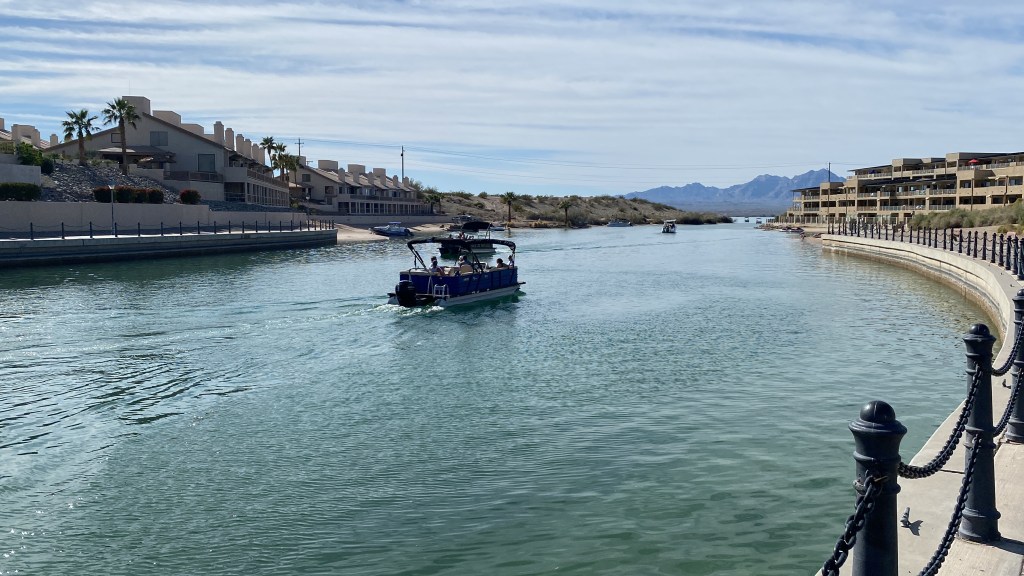
Without the churn of summer traffic, the water becomes reflective rather than performative. Early mornings are the best hour – when the light stretches low and the lake mirrors the pale sky.
Walk the shoreline. Sit without agenda. Let the place reveal itself slowly. Lake Havasu does not demand entertainment; it rewards attention.
A Note on the London Bridge

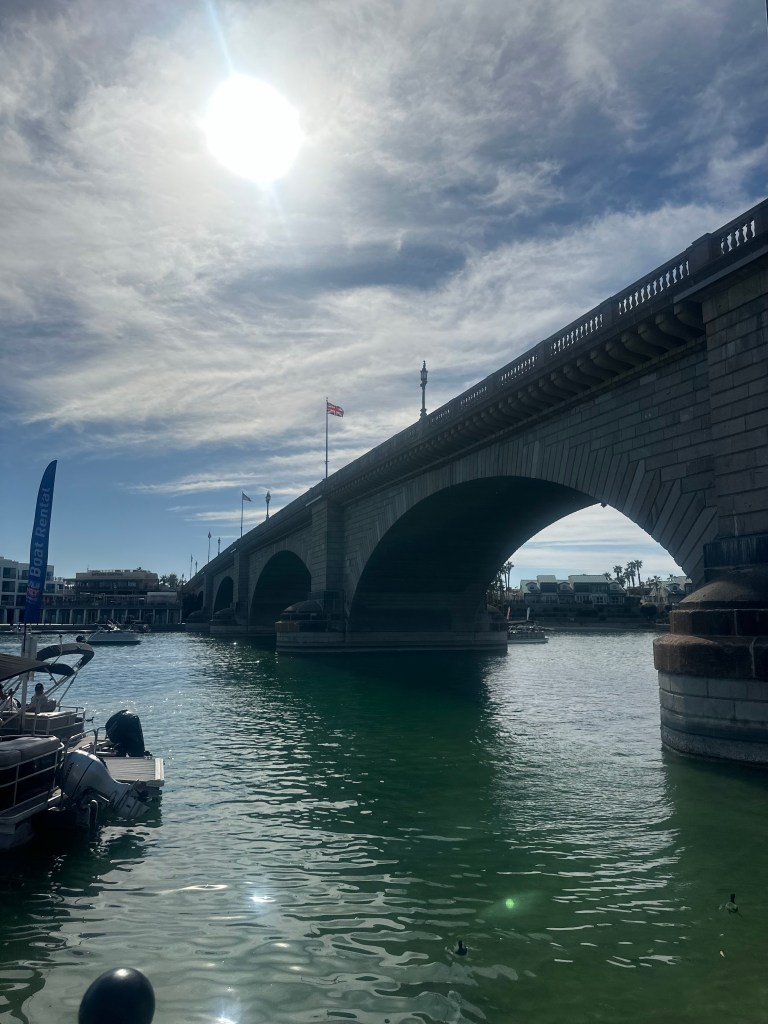
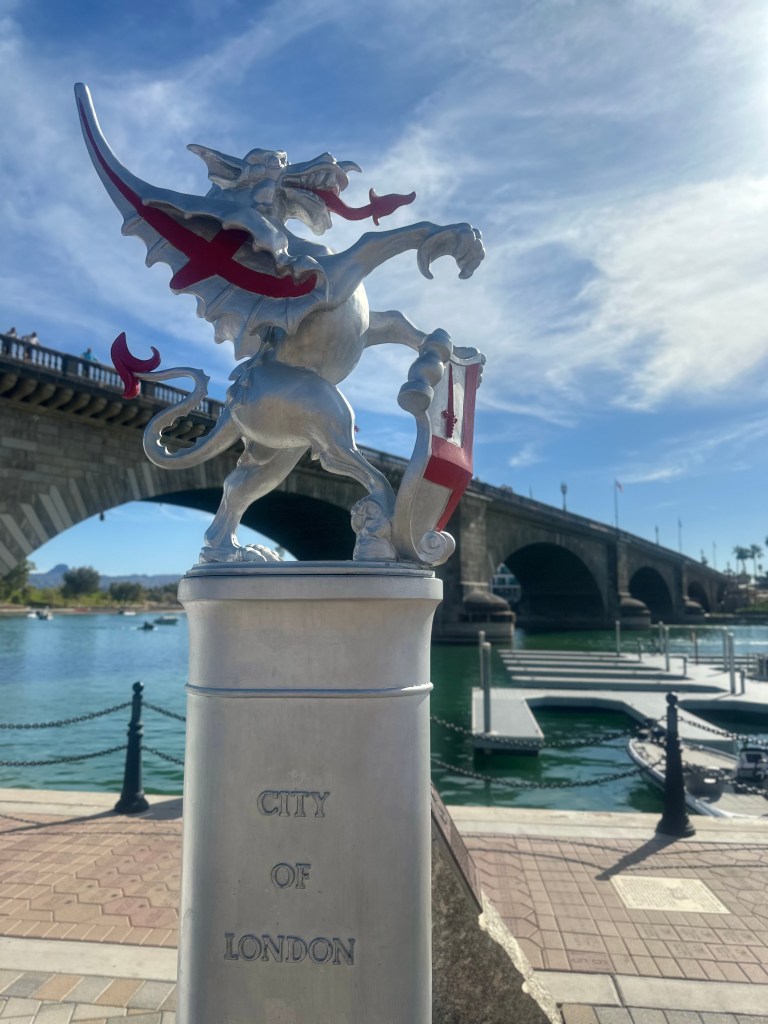
Yes, the London Bridge is there. And yes, it is peculiar. But approached quietly, early morning or off-season, it becomes less novelty and more curiosity. Treat it as a historical footnote rather than the main event, and it will behave better.
Look Beyond the Water: Route 66 and the Old Roads
One of Lake Havasu’s quiet strengths is its location – not central, but connected. This is a place stitched into the long mythology of the American road.
Oatman, Arizona
A historic mining town along Route 66, Oatman is rough-edged and theatrical in the way the Old West always was. Wild burros roam freely, wooden sidewalks creak, and nothing pretends to be polished. It’s strange, charming, and unapologetically itself.
Go midweek if possible. Let it be odd. That is the point.
Route 66
Lake Havasu makes a natural base for exploring stretches of historic Route 66 – not as a nostalgia act, but as a living landscape of diners, ghost towns, and long, patient roads.
This is not about ticking landmarks off a list. It’s about driving slowly, stopping when something catches your eye, and understanding why this road once felt like promise itself.
Kingman, Arizona
Often overlooked, Kingman is a key Route 66 town with small museums, vintage signage, and an unpretentious pride in its place in American travel history. It’s worth a pause, a meal, and a walk.
Topock and the Colorado River
To the north, the area around Topock offers a quieter, wilder relationship with the Colorado River, marshes, birdlife, and a reminder that water in the desert has always been both lifeline and miracle.
The Drives Between
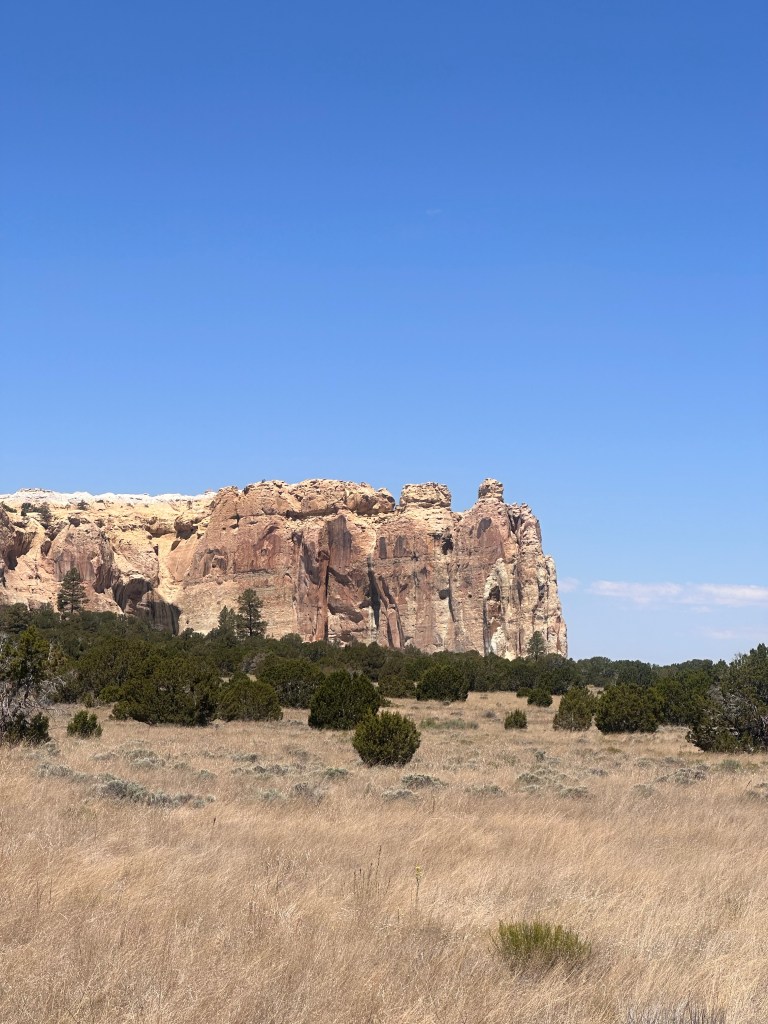
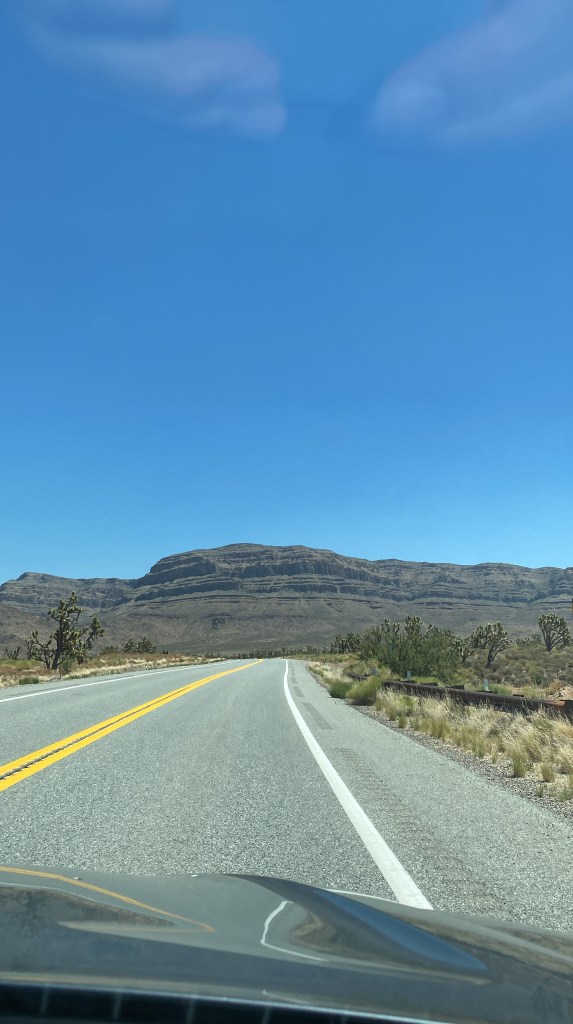
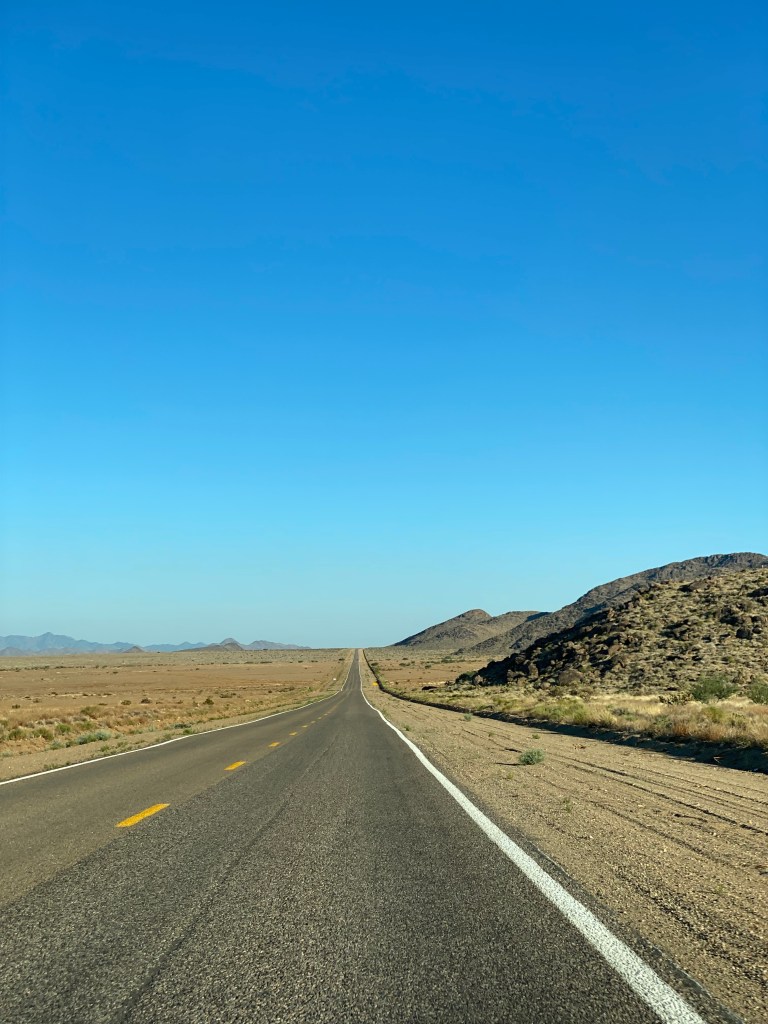
The roads themselves matter here. Long desert stretches, elevation changes, and sudden horizons make driving an experience rather than a chore. These are routes meant to be felt, not rushed.
Responsible Desert Visiting
Desert environments are fragile in ways water-rich landscapes are not.
- Stay on marked paths.
- Carry more water than you think you need.
- Respect the quiet – sound carries differently here.
Lake Havasu is not empty land. It is simply spacious.
A Final Thought
Lake Havasu does not need defending, but it does deserve reframing.
It is not just a party destination, nor a punchline. It is a desert lake town with sharp winters, generous skies, and a rhythm that makes sense once you stop expecting spectacle.
Come when the crowds leave. Come when the air is cool. Come when the lake is still enough to show you who it really is.
 All Around The World