
Unearthing the Past
Herculaneum lay hidden beneath hardened volcanic rock for over 1,600 years, forgotten and sealed off from the world. But in the early 18th century, chance and curiosity led to one of the most significant archaeological discoveries of our time. This final part explores Herculaneum’s rediscovery, the painstaking restoration work, and the respect this ancient town deserves from today’s visitors.



A Window into Antiquity
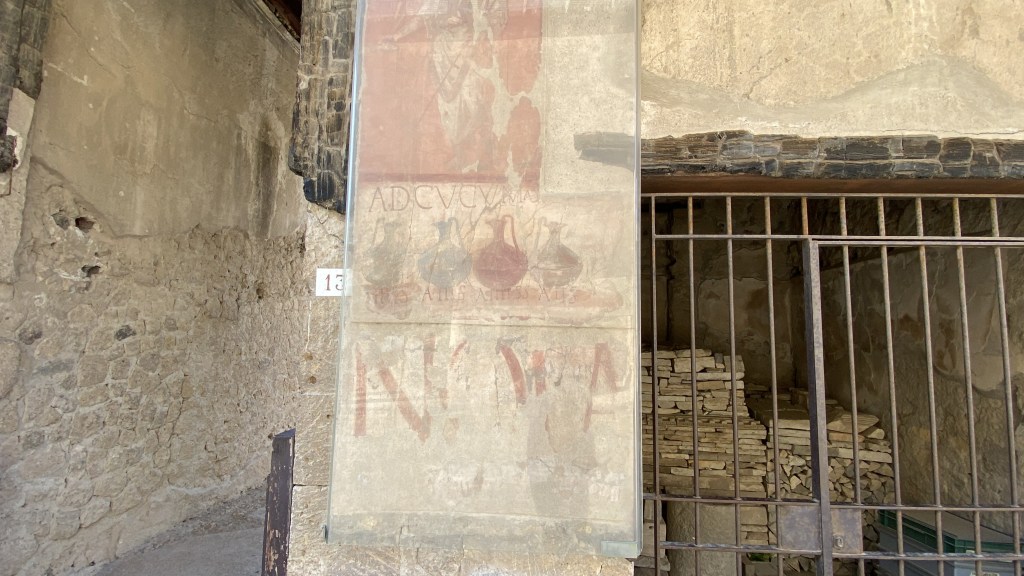
Herculaneum’s rediscovery began in 1709 when a well-digger happened upon marble fragments while excavating for a new well. Word of the discovery reached a local noble, who financed the initial dig, uncovering statues and mosaics, including the first remains of the magnificent Villa of the Papyri. The excavations marked the beginning of Herculaneum’s return to the world, revealing layer upon layer of well-preserved frescoes, wooden artifacts, and entire structures intact in vivid detail.
The dig attracted attention across Europe, drawing in artists, scholars, and explorers eager to witness the secrets of the ancient world. However, these early excavations were often crude, with many artifacts removed or even lost in the frenzy to uncover relics of antiquity.
Bringing Herculaneum Back to Life
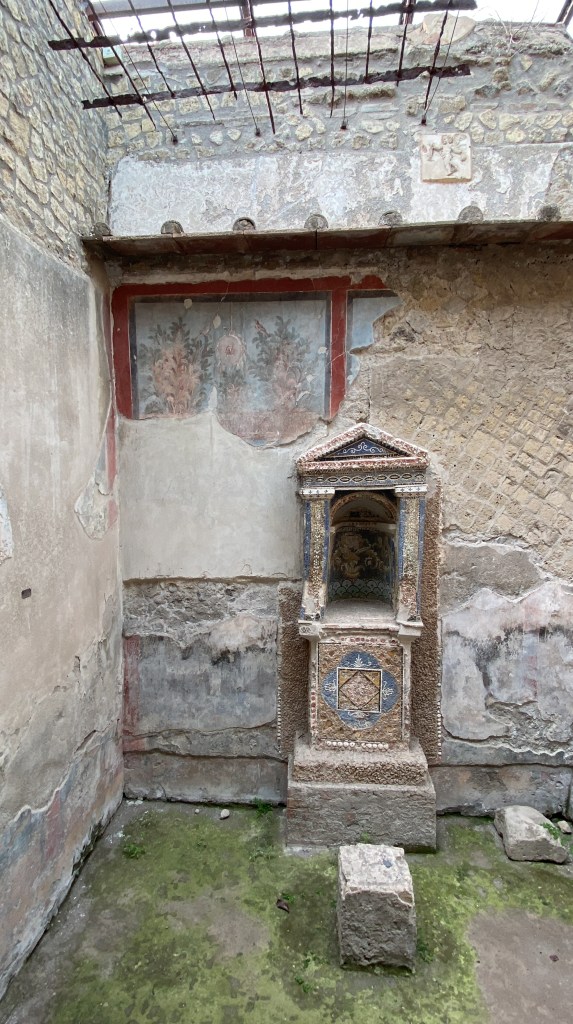
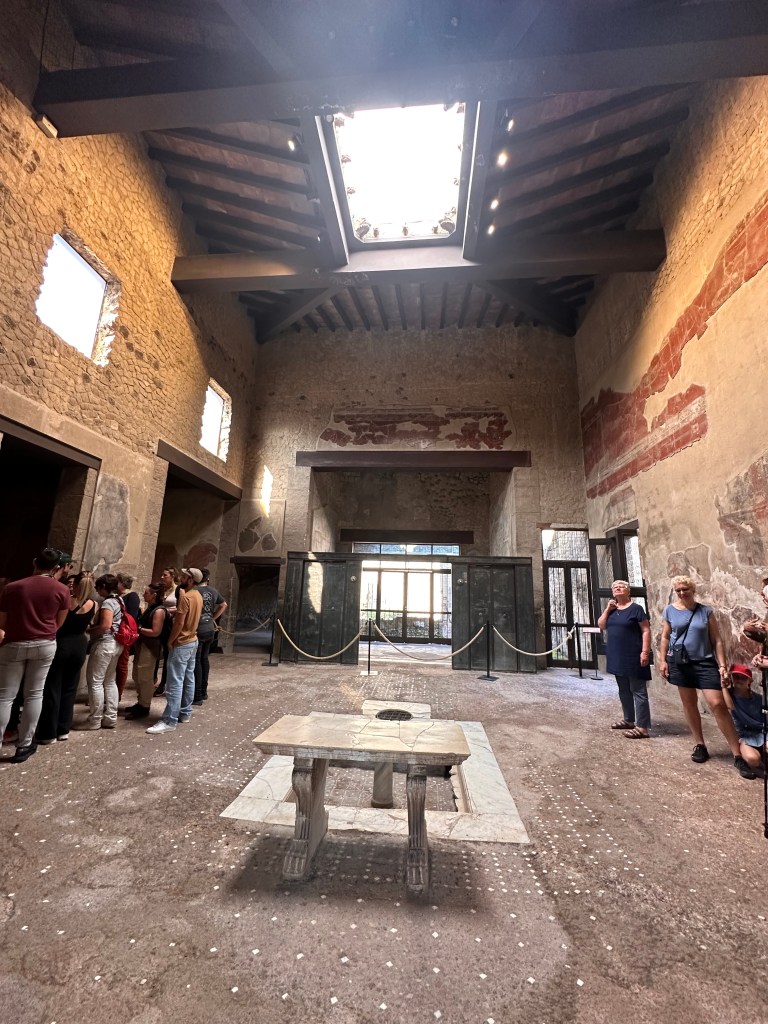
In the 20th century, restoration and preservation efforts became more meticulous. The focus shifted to preserving Herculaneum’s unique state, maintaining the original architecture and materials to the greatest extent possible. Archaeologists worked carefully, using advanced techniques to protect fragile wooden elements, frescoes, and mosaics. Some of the most notable restorations included the House of the Black Hall, with its intricate black-and-white mosaics, and the House of the Deer, featuring grand frescoes that depict vibrant scenes from Roman mythology.
The Villa of the Papyri also gained fame, yielding nearly 1,800 papyrus scrolls. Though badly damaged, many of these scrolls have been carefully unrolled and preserved, revealing invaluable insights into Roman literature and philosophy. Restoration continues today, with teams dedicated to stabilizing the site and improving conditions for future generations of visitors.


A Glimpse into Roman Life
The town’s houses offer a fascinating look at daily life in the Roman world. The House of the Relief of Telephus, thought to have belonged to a wealthy merchant, features elaborate marble statues and exquisite mosaics. The House of the Wooden Partition still has preserved wooden doors and furnishings, giving us a rare look at Roman interior design.
One of the most intriguing finds is the House of the Bicentenary, which has a rare painted cross, suggesting that early Christians may have lived or worshiped there, adding another layer to the town’s diverse historical tapestry. Each home reveals something of the personalities and lives of its inhabitants, creating a deeply human connection across millennia.

Visiting Herculaneum
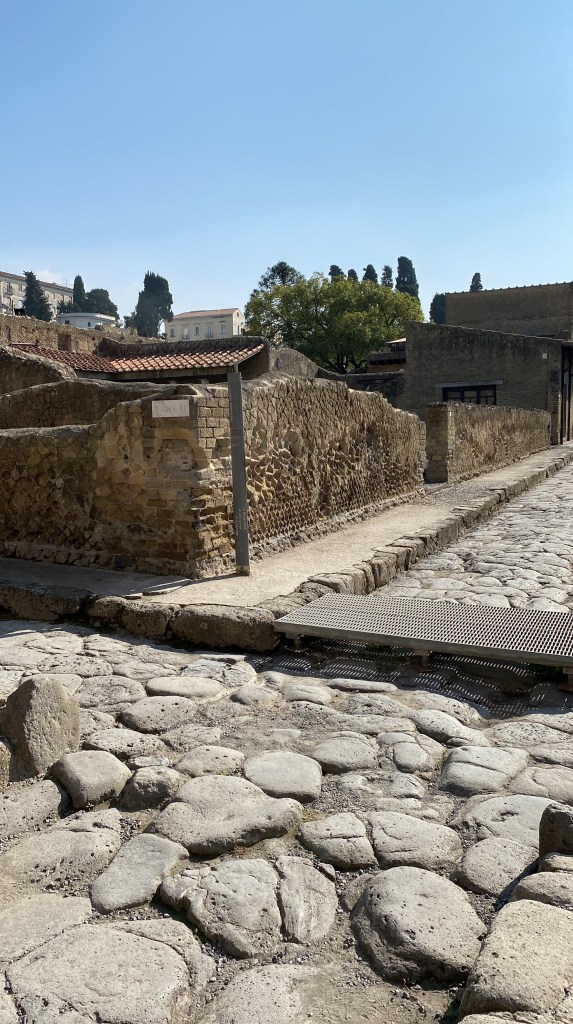
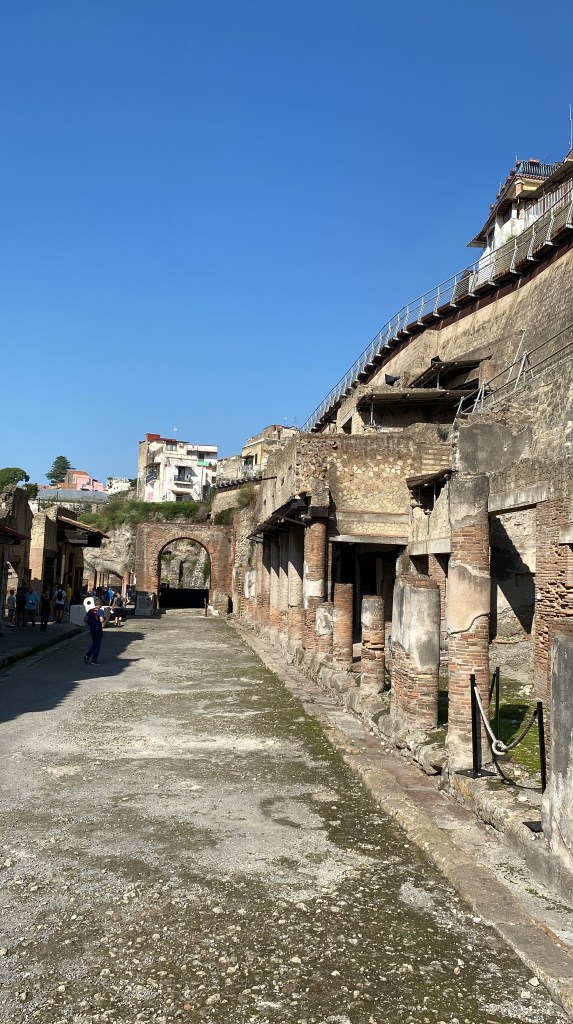
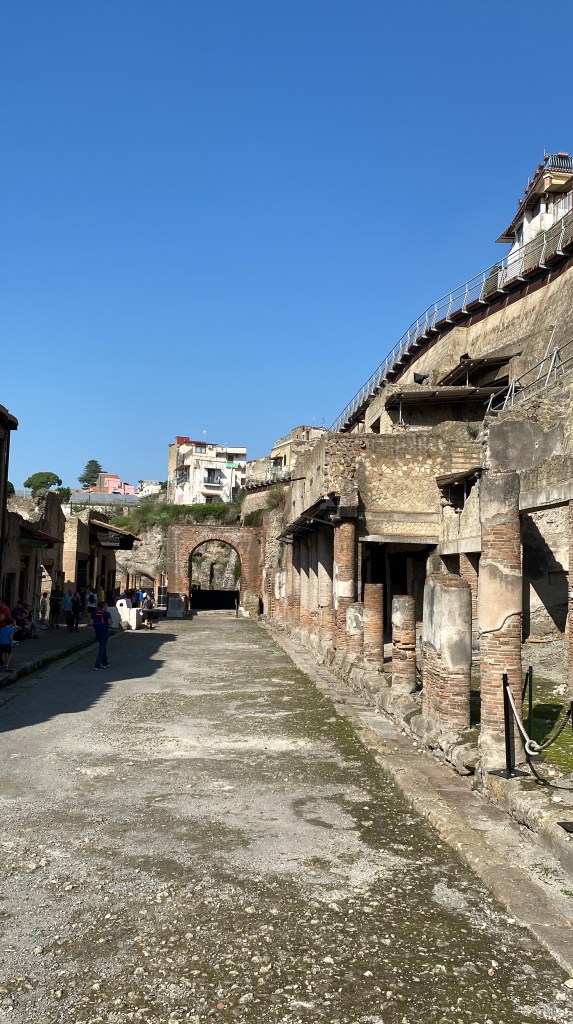
Today, Herculaneum is open to visitors who wish to explore its remarkably well-preserved remains. Walking through the ancient streets, visitors are transported back to a time when Herculaneum was alive with the sounds of daily life. However, visiting Herculaneum requires an understanding of the respect owed to this ancient site. This isn’t just a tourist attraction—it’s a place where people lived, loved, and perished in a tragic natural disaster.
To protect the site for future generations, visitors are encouraged to follow guidelines that preserve the delicate structures and artifacts. Respecting the spaces and adhering to visitor rules ensures that Herculaneum remains a place of learning, reverence, and remembrance for centuries to come.

Lessons from the Ashes
Herculaneum’s rediscovery offers more than just artifacts and buildings—it gives us a glimpse into the lives of people who were very much like us, yet separated by time and fate. The tragedy of Vesuvius reminds us of nature’s power and our shared vulnerability, while the preservation of Herculaneum ensures that their memory endures. In visiting and preserving this ancient town, we honor their legacy and continue to learn from the past.


 All Around The World